Tanzania invests 147 bn/- on Southern Safari circuit to drive tourism growth
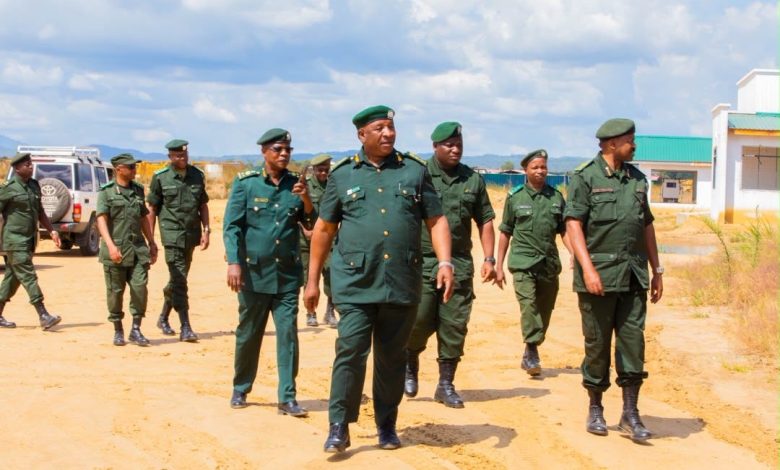
ARUSHA: TANZANIA is betting that a major investment in tourism infrastructure across its vast southern safari circuit will help unlock economic growth, attract private investment and draw more international visitors to a tourism circuit long overshadowed by the country’s famous northern route.
The government says it has spent 146.6bn Tanzanian shillings ($56m) upgrading roads, airstrips, accommodation and visitor facilities in some of the country’s largest wildlife reserves, including Nyerere, Ruaha and Mikumi national parks.
The programme, funded through a partnership between the Tanzanian government and the World Bank under the Resilient Natural Resources Management for Tourism and Growth (REGROW) project, represents one of the largest public investments ever made in southern Tanzania’s tourism infrastructure.
Officials hope the improvements will make the southern circuit more accessible to visitors seeking wildlife experiences away from the crowds often associated with Tanzania’s better-known northern circuit, home to the Serengeti and Ngorongoro conservation areas.
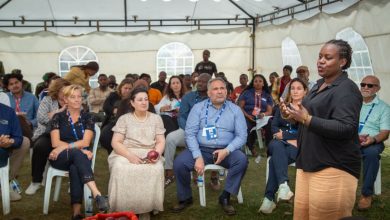
“The investments are aimed at improving conservation management, enhancing visitor experiences and creating an enabling environment for sustainable tourism growth and private-sector investment,” Tanzania National Parks (TANAPA) Conservation Commissioner CPA (T) Musa Kuji told journalists in Arusha over the weekend.
The southern circuit contains some of Africa’s largest protected ecosystems but has historically attracted a fraction of the tourists who visit northern Tanzania each year, partly because of weaker transport links and limited tourism facilities.
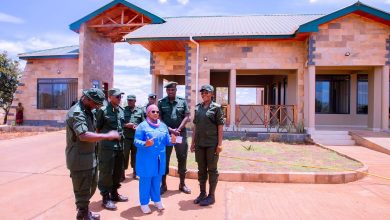
Under the programme, new entrance gates, visitor centres, campsites, staff housing and accommodation facilities have been built across the three flagship parks.
In Nyerere National Park, authorities constructed a new main entrance gate, ranger facilities, a 20-room guest house, campsites and upgrades to Mtemere airport.
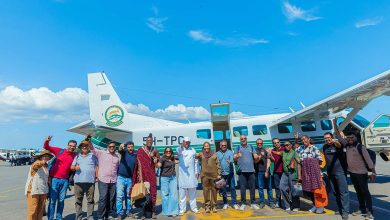
Mikumi National Park received new visitor facilities, accommodation, campsites and airstrip improvements, while Ruaha National Park – Tanzania’s largest national park – saw extensive investment in visitor lodges, staff housing, ecological monitoring facilities and airport infrastructure.
The project has also financed equipment worth more than 31bn shillings (12m US dollars), including heavy machinery, vehicles and tractors used to maintain roads, airstrips and conservation infrastructure.
According to TANAPA, the new equipment has already helped reduce maintenance costs by more than 60 percent, while supporting the rehabilitation of more than 1,200km (745 miles) of roads and upgrades to seven airstrips.
Tourism remains one of Tanzania’s most important sources of foreign exchange earnings, and authorities see the southern circuit as one of the country’s biggest untapped opportunities for expansion.
Industry analysts say improved access could help spread tourism revenues more evenly across the country, encourage longer visitor stays and create jobs in surrounding communities.
The government also hopes the investment will encourage private developers to build new lodges, camps and tourism services, increasing the region’s competitiveness in a growing market for less-crowded safari destinations.
ALSO READ: Serengeti’s balloon safari, great wildebeest migration fascinate Man United legend
While officials have yet to publish forecasts showing how many additional visitors the southern circuit could attract, they argue the infrastructure programme lays the foundation for long-term growth.
For Tanzania, the investment is about more than tourism alone.
Authorities say strengthening visitor infrastructure can generate new funding for conservation efforts while creating economic opportunities for rural communities living alongside protected areas.
“This is not simply an infrastructure programme,” Mr Kuji said. “It is a strategic investment in the future of southern Tanzania’s tourism economy, conservation sustainability and community development.”