Mwinyi stresses science, innovation for blue economy growth

ZANZIBAR: ZANZIBAR President Hussein Mwinyi has underscored the importance of scientific research and innovation in accelerating transformation of the blue economy, saying the approach is essential for ensuring inclusive and sustainable development across the islands.
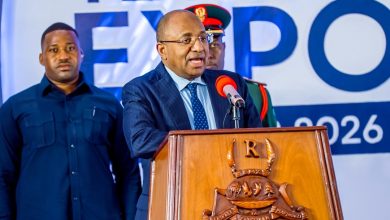
Speaking on his behalf at the opening of the 29th Annual Research Workshop organised by REPOA, Zanzibar’s Second Vice-President Mr Hemed Suleiman Abdulla said Zanzibar is making steady progress in strengthening institutional systems, innovation and partnerships within the sector.
He noted that the workshop provides an important platform for stakeholders to exchange knowledge and explore best practices in harnessing marine resources for the benefit of citizens.
“The blue economy is more than just an economic sector; it is a national journey that requires accountability, innovation, strong research and regional as well as international cooperation to achieve its full potential,” he said.
The workshop, held under the theme Transforming Tanzania’s Blue Economy for Inclusive and Sustainable Development, aligns with Zanzibar’s Development Vision 2050 and ongoing government efforts to expand the island’s ocean-based economy.
In his speech, Mr Abdulla highlighted government initiatives aimed at equipping youths with modern skills, including training in marine Geographic Information Systems (GIS), drone technology and aquaculture.
He said the initiatives are creating employment opportunities beyond traditional maritime activities.
He also invited investors to partner with Zanzibar in advancing sustainable blue economy projects.
The Second Vice-President commended President Samia Suluhu Hassan and Dr Mwinyi for their leadership in promoting the blue economy agenda, saying their vision has strengthened marine resource management and positioned Tanzania as a regional model for sustainable development.
Mr Abdulla also acknowledged development partners, including Ireland, for supporting inclusive economic growth initiatives such as the Bahari Mali project in Pemba, which integrates marine conservation with community livelihoods.
ALSO READ: Mwinyi unveils plan to boost health staffing
He urged stakeholders to recognise the blue economy as a shared national responsibility, stressing that its success depends on collective commitment to innovation, research and sustainable resource management.
“The ocean does not divide us; it connects us. And in its depths lie not only resources, but possibilities as vast as the horizon,” he said while officially opening the workshop.
Speaking at the event, Minister for Blue Economy and Fisheries, Masoud Ali Mohammed, said the sector is crosscutting and requires in-depth research to deliver meaningful results for citizens.
He stressed the need for more studies in seaweed farming, fisheries and marine conservation to ensure sustainability.
Similarly, Deputy Minister for Industry and Trade in the Union government, Dennis Londo, said achieving Zanzibar’s Vision 2050 depends on effective utilisation of marine and lake resources.
He added that ongoing research would help address sector challenges and unlock growth in maritime transport and tourism.
Earlier, Permanent Secretary in the Ministry of Blue Economy and Fisheries, Hamad Bakari Hamad, said Zanzibar’s economy grew by 7.1 per cent in 2025, with six per cent of that growth driven by investment in the blue economy and fisheries sector, underscoring the sector’s growing importance.
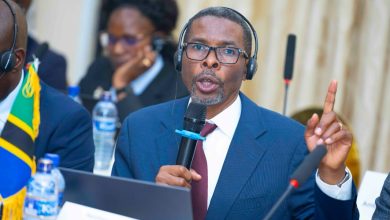
REPOA Executive Director, Donald Mmari said the workshop seeks to identify effective ways of leveraging blue economy resources to boost economic growth in Zanzibar and Tanzania.
He noted that previous research had already contributed to development of Zanzibar’s blue economy policy.
Meanwhile, Chairperson of the Board of CRDB Bank, Neema Mori said the bank will continue prioritising investments in blue economy projects, including infrastructure, aquaculture and support for small-scale fishers through loans, training and equipment.
She noted that more than 50,000 people in Zanzibar have already benefited from related programmes.