Vietnam lessons inspire Tanzania fight against malnutrition crisis
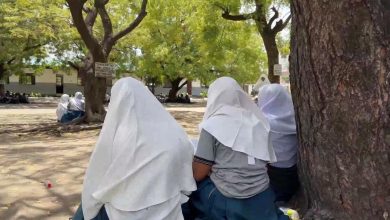
VIETNAM: Across the green, sunlit villages of rural Tanzania, a persistent and complex challenge continues to affect the health and well-being of communities. Despite notable progress in recent years, malnutrition remains widespread, particularly among women of reproductive age and young children.
In many farming households, undernutrition coexists with hidden hunger caused by deficiencies in essential vitamins and minerals, while cases of overweight and obesity are also gradually increasing.
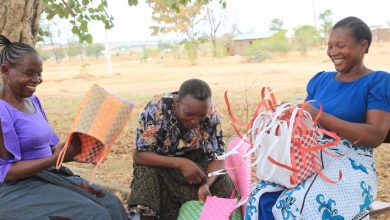
This triple burden of malnutrition reflects deeper structural issues. It is closely linked to the impacts of climate change, fragile and shifting food systems, and entrenched gender inequalities. Women play a central role in rural life. They cultivate crops, prepare meals, and sustain households, yet many lack secure access to land, financial resources, and decision-making power. These limitations affect not only their own well-being but also the nutritional outcomes of their families.
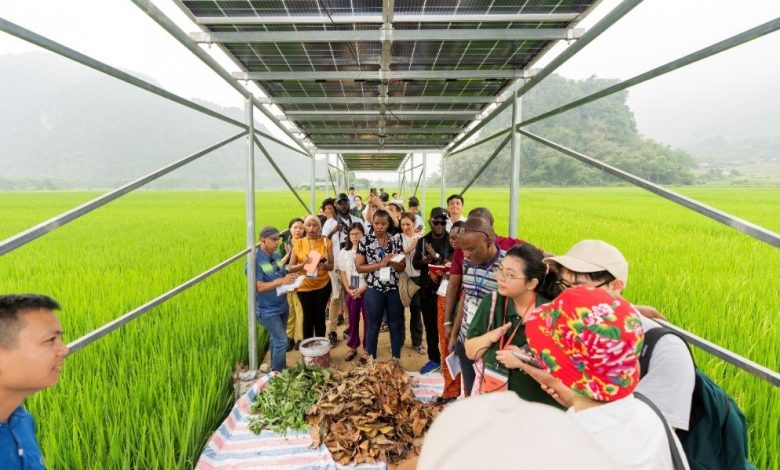
Recognizing the urgency of these interconnected challenges, the Tanzania SUN Civil Society Alliance, alongside 13 representatives from various countries, participated in a learning visit to Vietnam under the Scaling Up Nutrition Movement. The objective was clear: to observe practical approaches that successfully integrate climate resilience, improved nutrition, and gender inclusion at the community level.
Among the participants was Zuwena Malenga, a project officer with the Partnership for Nutrition in Tanzania. For her and others, the visit was an opportunity to gain firsthand insight into solutions that could be adapted to the Tanzanian context.
In Vietnam, the delegation encountered community-driven initiatives that demonstrated how local action can address complex challenges effectively. One of the most striking approaches was the concept of Household Clubs. These are community-based groups where families gather regularly to exchange knowledge, discuss challenges, and identify solutions related to nutrition, agriculture, and livelihoods.
Within these clubs, participation is inclusive. Men and women, along with extended family members, engage in open discussions and shared learning. Rather than relying on external instruction, communities take an active role in shaping their own development. This approach fosters a sense of ownership and responsibility, which strengthens long-term sustainability.
Reflecting on this experience, Zuwena Malenga highlighted the value of collective engagement. She observed that the Household Clubs created an environment where families supported each other, shared practical knowledge, and worked together to improve their nutrition and economic conditions. The emphasis on collaboration, rather than top-down instruction, made the initiative particularly effective.
A defining feature of these clubs is the strong sense of community ownership. Members do not wait for external actors to lead; instead, they take initiative in implementing solutions. Activities such as cooking demonstrations, shared farming practices, and problem-solving discussions are carried out collectively. This participatory model ensures that interventions are relevant, accepted, and sustained over time.
The visit also provided insights into climate-smart agricultural practices. Vietnamese farmers demonstrated how they maximize productivity using simple, low-cost techniques. By integrating vegetables with fruit trees, rotating crops, and applying locally adapted methods, they are able to maintain soil health, increase food diversity, and withstand climate-related challenges such as droughts and floods.
These practices are not dependent on advanced technology. Instead, they build on existing resources and knowledge, making them accessible and adaptable. For the Tanzanian delegation, this was an important realization. It challenged the perception that climate-smart agriculture requires significant financial investment or complex systems.
Zuwena noted that these practical approaches could be replicated in Tanzania, where many farmers already possess valuable traditional knowledge. By enhancing existing practices rather than replacing them, communities can improve productivity and nutrition outcomes while preserving environmental sustainability.
Another critical lesson from Vietnam was the role of women’s economic empowerment. Women in rural communities participate in small savings groups, where they pool financial resources and support each other in starting income-generating activities. These include selling agricultural produce, poultry products, and seedlings.
Through these initiatives, women gain access to capital and develop business skills. This not only improves household income but also enhances their confidence and influence within their families and communities. As women become more economically active, their ability to contribute to decision-making increases.
At the same time, men are actively involved in the process. They participate in training sessions and share responsibilities related to household tasks and childcare. This inclusive approach promotes gender equality and strengthens family cohesion. It highlights that sustainable change is most effective when both women and men are engaged.
Zuwena emphasized that involving men is essential. Efforts to empower women are more impactful when they are supported by broader household and community participation. The Vietnamese model demonstrated that shared responsibility leads to better outcomes in both nutrition and livelihoods.
A key factor underpinning these successes is strong coordination among stakeholders. In Vietnam, government institutions, civil society organizations, and local communities work together through aligned frameworks. This reduces duplication of efforts and ensures that interventions are consistent and scalable.
For Tanzania, this approach offers valuable guidance. By integrating similar models into existing national and local systems, there is potential to strengthen ongoing nutrition and development programs. Rather than introducing isolated projects, adapting proven strategies within established structures can enhance effectiveness and sustainability.
Following the visit, Zuwena and her colleagues returned to Tanzania with a clear vision. The concepts observed in Vietnam are now being considered for adaptation within local communities. Discussions are underway to establish Household Clubs, develop demonstration sites for climate-smart agriculture, and create platforms for women’s economic empowerment.
Importantly, these initiatives are being aligned with government frameworks to ensure continuity and long-term impact. The goal is not to replicate the Vietnamese model exactly, but to tailor it to Tanzania’s unique social, economic, and environmental context.
Zuwena expressed confidence in the potential of these approaches. She noted that solutions to many challenges already exist and that learning from other contexts can accelerate progress. By adapting successful models, Tanzania can strengthen its efforts to address malnutrition and build resilient communities.
The experience also reinforces the importance of knowledge exchange. Study visits such as this provide opportunities to learn from practical examples and to build networks that support ongoing collaboration. They demonstrate that global challenges can be addressed through shared learning and mutual support.
Ultimately, the journey to Vietnam served as more than a learning exercise. It highlighted the interconnected nature of nutrition, climate, and gender issues, and the importance of addressing them through integrated approaches. It also underscored the value of community participation and local ownership in driving sustainable change.
As Tanzania continues to implement strategies to improve nutrition and resilience, the lessons from Vietnam offer a pathway forward. By combining community engagement, practical agricultural practices, gender inclusion, and coordinated action, it is possible to create lasting improvements in the lives of rural populations.
The path ahead requires commitment, adaptation, and collaboration. However, the experiences gained from this exchange provide a strong foundation. They demonstrate that meaningful progress can be achieved when communities are empowered, knowledge is shared, and solutions are adapted to local realities.
In this way, the seeds planted during the visit are beginning to take root, offering renewed hope for healthier, more resilient communities across rural Tanzania.