Plastic Waste Challenge Sparks Push for Sustainable Alternatives
DAR ES SALAAM: AGENDA for Environment and Responsible Development (AGENDA) is a Tanzanian civil society organisation established in 1997 following the completion of a project funded by the Danish International Development Agency (DANIDA).
The initial project focused on promoting transparency and accountability in environmental management within Tanzania’s business sector.
After its completion, AGENDA transitioned into an independent non-governmental organisation, officially registered under the Ministry of Home Affairs. Since then, it has developed into a key actor in advancing sustainable environmental practices and responsible development nationwide.
At its core, AGENDA envisions a society where economic and social progress is achieved equitably without compromising human health or the environment. Its mission is to promote environmental accountability through awareness, advocacy, capacity building and stakeholder engagement at both national and international levels.
The organisation’s broader goal is to ensure a safe and healthy environment for all. AGENDA operates across several strategic areas, including the management of chemicals, waste—particularly hazardous waste—natural resources and climate change mitigation and adaptation. It also conducts research, training and consultancy services aimed at strengthening environmental governance and promoting sustainable practices.
Through these efforts, AGENDA supports policy implementation, assists vulnerable communities and collaborates with institutions to advance long-term sustainability. One of the most urgent environmental challenges globally and within Tanzania is plastic pollution.
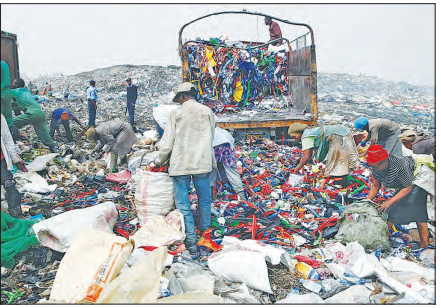
Each year, billions of plastic bags are used worldwide. In Tanzania alone, approximately 350,000 tons of plastic waste are generated annually, with less than 10 per cent recycled. Plastics, especially single-use items such as bags, bottles and straws, pose serious environmental and health risks due to their non-biodegradable nature.
These materials can take between 400 and 1,000 years to decompose, releasing harmful chemicals into soil and water systems. As a result, plastic pollution has widespread consequences. It contaminates land, rivers and oceans, threatening both marine and terrestrial life.
Improper disposal blocks drainage systems, increasing the risk of urban flooding. Burning plastic releases toxic substances that contribute to respiratory diseases, cancers and other health conditions. Additionally, plastics contribute to climate change through their production and degradation processes. AGENDA is well positioned to address these challenges.
Through its expertise in environmental management and community engagement, the organisation can strengthen efforts to reduce plastic pollution in several ways. Public education is one of its most effective tools.
By raising awareness about the dangers of plastic waste, AGENDA can encourage behavioural change and promote responsible consumption. Educating communities on reducing, reusing and recycling plastics is essential to minimising environmental impact.
Advocacy is another critical area. AGENDA can push for stronger enforcement of environmental regulations, including restrictions or bans on single-use plastics.
Tanzania has already taken steps in this direction, but sustained monitoring and public participation are necessary to ensure compliance and effectiveness.
The organisation can also support the development and adoption of alternative materials, such as biodegradable packaging and reusable products. By working with businesses, policymakers and innovators, AGENDA can promote sustainable production and consumption patterns that reduce reliance on plastics.
Improving waste management systems is equally important. AGENDA can encourage waste segregation at the source and support recycling initiatives. This includes building partnerships with local governments, private sector actors and community groups to enhance the collection, processing and reuse of plastic materials. Effective waste management not only reduces pollution but also creates economic opportunities.
Beyond these interventions, AGENDA can strengthen its impact by embracing innovation and community-driven solutions. One approach is promoting a circular economy model, where materials are reused, repurposed or recycled rather than discarded. Supporting small-scale recycling enterprises and youth-led environmental initiatives can create green jobs while reducing waste in both urban and rural areas. Community participation remains central to addressing plastic pollution.
ALSO READ: TZ to receive up to 108bn/- for climate resilience
AGENDA can expand grassroots engagement through clean-up campaigns, school environmental clubs and local training programmes that empower citizens to take responsibility for their surroundings. When communities understand the connection between plastic waste and issues such as flooding, disease and reduced agricultural productivity, they are more likely to adopt sustainable practices. Behaviour change communication strategies can enhance these efforts.
Storytelling, media campaigns and the use of local influencers can effectively communicate the importance of environmental protection and encourage lasting change. Research and data collection are also essential. AGENDA can play a stronger role in gathering reliable data on plastic production, consumption and disposal patterns.
This information is crucial for designing effective interventions and monitoring progress. By collaborating with academic institutions and research organisations, AGENDA can contribute to evidence-based policymaking and align its work with global initiatives such as those led by the United Nations Environment Programme. Partnerships are critical for scaling impact.
AGENDA can deepen collaboration with government agencies, private sector stakeholders and international organisations to mobilise resources and expertise. Working with manufacturers can encourage the redesign of packaging to reduce plastic use, while partnerships with municipalities can improve waste collection infrastructure. Engaging industries is particularly important, as they play a major role in both the production and reduction of plastic waste.
Integrating environmental education into school curricula is another key strategy for long-term sustainability. AGENDA can advocate for the inclusion of environmental topics, including plastic pollution, in both formal and informal education systems.
By nurturing environmentally conscious citizens from a young age, Tanzania can build a culture that values sustainability and responsible consumption. Although plastic pollution is a complex and persistent challenge, it also presents an opportunity for transformative action.
Through innovation, community engagement, research and partnerships, AGENDA can expand its influence and contribute to a cleaner and more sustainable future. AGENDA’s role is particularly important because it connects environmental awareness with practical action.
The organisation not only educates the public but also advocates for stronger enforcement of environmental laws, especially those targeting single-use plastics. Plastic pollution should be treated as both an environmental and public health issue. Its effects are evident in blocked drainage systems, polluted water sources, damaged ecosystems and increased disease risks.
Addressing this crisis requires coordinated efforts from governments, communities and the private sector. Ultimately, AGENDA’s work demonstrates that meaningful progress is possible when awareness is combined with action. By strengthening accountability, promoting sustainable practices and engaging communities, the organisation continues to play a vital role in addressing one of the most pressing environmental challenges of our time.