

China’s zero-tariff plan for African exports: Opportunity meets reality on ground
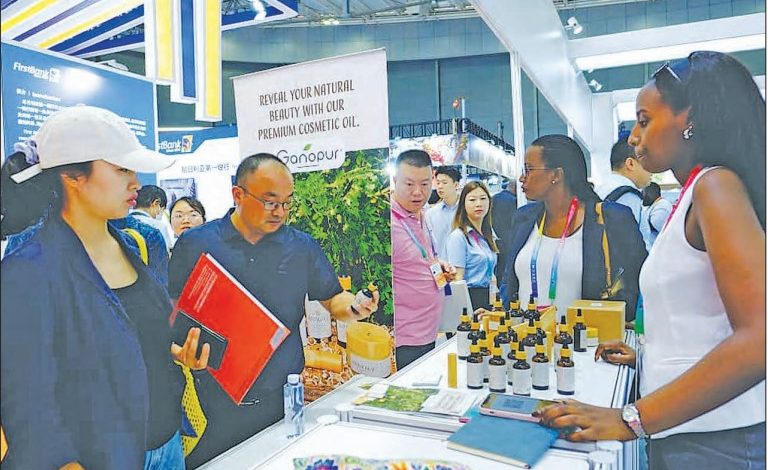
CHINA: BEGINNING May 1, China will expand zero-tariff treatment to cover most taxable goods from the least-developed African countries, marking a significant shift in global trade dynamics.
The policy arrives at a critical moment for African economies, which are facing mounting external pressures. Rising global costs, driven by geopolitical instability such as the war in Ukraine and ongoing conflicts in the Middle East, have disrupted supply chains and increased the cost of doing business. At the same time, growing protectionist measures in Western economies have made access to traditional export markets more difficult for many African nations.
Against this backdrop, China’s move offers a new pathway for African exporters seeking stable and expanded market access. Yet while the initiative holds promise, its success will depend on how effectively African countries can address long-standing structural challenges.
China’s deepening economic relationship with Africa did not emerge overnight. Over the past three decades, engagement has evolved from largely political alignment to a robust and multifaceted economic partnership.
In the 1980s, as China’s own economy began to accelerate, its involvement in Africa focused primarily on resource extraction. African exports to China were dominated by raw materials such as crude oil, copper, cobalt and iron ore, sourced from a relatively small group of resourcerich countries. In return, China exported manufactured goods, including machinery, electronics, textiles, vehicles and agricultural products.
This pattern of trade laid the foundation for a relationship that would expand rapidly in the decades that followed. By the early 2000s, particularly after the establishment of the Forum on ChinaAfrica Cooperation (FOCAC) economic ties broadened significantly.
Investment flowed into infrastructure, telecommunications, construction, and energy projects across the continent. China quickly surpassed traditional partners such as the United Kingdom and the United States to become Africa’s largest trading partner.
However, the rapid expansion of trade also revealed deep imbalances. African countries largely remained exporters of low-value raw materials while becoming increasingly reliant on imported manufactured goods from China. This dynamic reinforced a structural trade deficit that favored China and limited Africa’s ability to build diversified, value-added industries.
These challenges became especially apparent during periods of global economic disruption. The 2008–2009 financial crisis, the commodity price slump of 2014–2015 and the economic fallout from the Covid-19 pandemic all underscored the vulnerability of export models heavily dependent on raw materials.
During these periods, many African economies experienced declining revenues and heightened fiscal pressure, even as trade with China continued to grow. In response, policymakers and analysts on both sides began to recognise the need for a more balanced and sustainable trade relationship. China’s latest zero-tariff initiative can be seen as part of this broader recalibration.
By eliminating tariffs on up to 98 per cent of taxable goods from eligible African countries, China aims to encourage a shift toward exporting higher-value goods, including processed and semi-processed products.
The policy is designed not only to increase trade volumes but also to support industrialisation within African economies.
By making it easier for African producers to access Chinese markets, the initiative could incentivise local manufacturing, create jobs and stimulate economic diversification. In theory, it represents a move away from extractive trade patterns toward a more mutually beneficial economic partnership. Recent trade data suggests there is already momentum to build upon.
ALSO READ: National decentralisation policy in pipeline
According to the China-Africa Research Initiative at Johns Hopkins University, African exports to China increased by 10 per cent in 2024, while imports grew by 4 per cent. While these figures point to progress, they also highlight the persistence of the underlying trade imbalance.
Africa continues to export primarily raw materials while importing higher-value finished goods, a pattern that limits long-term economic gains. Despite the promise of tariff-free access, significant obstacles remain. One of the most critical challenges lies in non-tariff barriers, which often prove more difficult to overcome than tariffs themselves.
These include strict sanitary and phytosanitary standards, technical regulations, quality certifications and customs procedures. For many African exporters, meeting these requirements requires substantial investment in compliance systems, testing facilities and quality control processes.
Infrastructure deficits further complicate the picture. Efficient trade depends on reliable transportation networks, modern ports, stable electricity supply and effective logistics systems. In many parts of Africa, these elements are still underdeveloped.
For example, inadequate cold-chain infrastructure can prevent agricultural products from maintaining quality during transit, while inefficient port operations can lead to costly delays. Without addressing these bottlenecks, the benefits of zero-tariff access may remain largely theoretical.
Production capacity also presents a significant hurdle. Even when exporters meet regulatory standards, they may struggle to fulfill large or consistent orders required by international markets. In some cases, businesses have resorted to sourcing products across borders to meet demand, raising concerns about traceability, quality assurance and compliance with export regulations.
Building reliable and scalable production systems will be essential for sustaining long-term trade growth. At the same time, the push to expand exports carries potential risks that must be carefully managed. Increased agricultural production, for instance, could place additional strain on land and water resources, potentially leading to environmental degradation.
Similarly, pressure to remain cost-competitive in global markets may result in poor labor conditions or exploitation if adequate protections are not enforced. Balancing economic growth with environmental sustainability and social responsibility will be a key challenge for policymakers. To fully capitalise on China’s zero-tariff policy, African governments will need to adopt comprehensive and forward-looking strategies.
This includes investing in trade-enabling infrastructure, strengthening regulatory frameworks and supporting domestic industries through targeted policies. Enhancing access to financing for small and medium-sized enterprises will also be critical, as these businesses often play a central role in export production but face significant barriers to growth.
Regional cooperation may offer additional opportunities. The African Continental Free Trade Area (AfCFTA), which aims to create a single market across the continent, could complement China’s bilateral trade initiatives. By improving intra-African trade and fostering regional value chains, AfCFTA can help countries pool resources, increase production capacity and enhance competitiveness in global markets.
Stronger regional integration could also make it easier for African exporters to meet the scale and consistency required by large markets such as China. Ultimately, China’s zerotariff initiative represents a significant opportunity but not a guaranteed solution.
Market access alone is rarely sufficient to drive meaningful economic transformation. Without addressing underlying structural challenges, African countries may find it difficult to fully benefit from the policy. The long-term impact of this initiative will depend on whether it can catalyse a broader shift in Africa’s economic model. Moving up the value chain, diversifying exports and building resilient industrial sectors will be essential for achieving sustainable growth.
Success will require coordinated efforts from governments, private sector stakeholders and international partners alike. If these conditions are met, China’s zero-tariff policy could become a powerful tool for advancing industrialisation and economic development across the African continent.
If not, it risks becoming another well-intentioned initiative whose benefits fall short of expectations. As the policy takes effect, the coming years will serve as a critical test of whether expanded market access can translate into lasting economic change.
The writer is a broadcaster with China Radio International, based in Beijing




Microwave Repair Services ensure fast, reliable fixes for faulty ovens. Our expert technicians provide Microwave Repair Services with quality parts, restoring performance, saving time, and extending appliance life at affordable rates.