Govt allocates 5.42bn/- for 6,283 school toilets
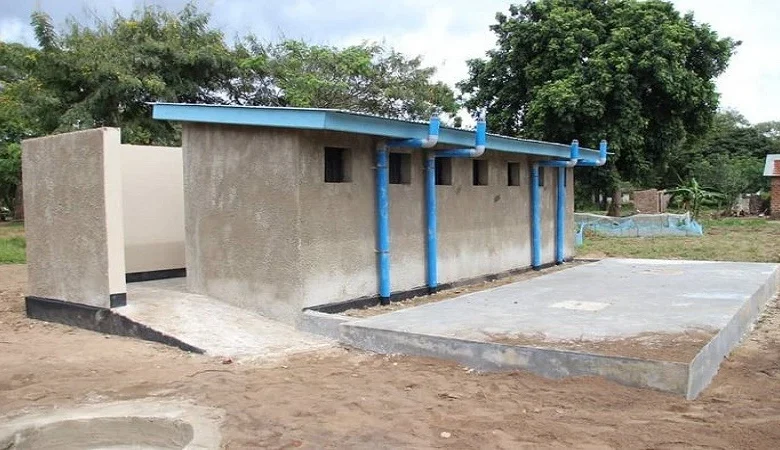
DODOMA: THE government has allocated over 5.42bn/- in the 2025/26 financial year up to April for the construction of 6,283 toilet facilities in schools, as part of ongoing efforts to address sanitation challenges in the education sector.
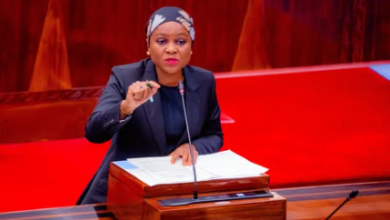
Deputy Minister in the Prime Minister’s Office – Regional Administration and Local Government (PMORALG), Dr Festo Dugange (pictured), told the National Assembly that the government remains committed to improving sanitation infrastructure in schools as a key priority for enhancing learning environments.
He was responding to a question from Tarime Rural MP Mwita Waitara (CCM), who sought to know the government’s strategy for eliminating the shortage of toilet facilities nationwide.
Dr Dugange said the government continues to allocate funds annually to address the challenge, noting that sanitation remains a critical component of education infrastructure.
He added that in the 2024/25 financial year, the government spent 12.87bn/- to construct a similar number of 6,283 toilet facilities.
“The government recognises the shortage of toilet facilities in some primary and secondary schools and continues to allocate funds every year to address the challenge,” he said.
According to the 2025 Basic Education Census, the pupil-to-toilet ratio in primary schools stands at 1:46 for boys and 1:42 for girls, while in secondary schools the ratio is 1:27 for boys and 1:25 for girls.
ALSO READ: BOOST releases 299.2m/- for school project
In a supplementary question, Mr Waitara sought to know whether the government had conducted a comprehensive assessment to determine the magnitude of the shortage and guide planning.
Responding, Dr Dugange said the government conducts annual assessments to determine existing facilities and gaps, which then inform budget allocations through central government funding and local government revenues.
“We carry out annual assessments to establish needs and allocate resources accordingly, with the aim of ensuring students learn in a conducive environment,” he said.
He stressed that eliminating the shortage of toilet facilities remains a government priority, noting that the exercise is ongoing due to rising enrolment and continued school construction.
Citing a recent World Bank assessment, Dr Dugange said a school with 400 students requires an average of 12 toilet holes, six for boys and six for girls, adding that some schools have already met or exceeded this standard.
“This is an ongoing effort. As enrolment increases and new schools are built, demand will also rise. There is no point at which we will stop constructing toilets,” he said.
He assured Parliament that the government will continue taking measures to ensure all schools facing shortages are adequately addressed.