Gender, youth inclusion in climate action gains ground
DODOMA: TANZANIA has made significant strides in mainstreaming gender and youth priorities into national climate policies and programmes, with the updated National Adaptation Plan (NAP) placing genderresponsive actions at the centre of climate resilience efforts.
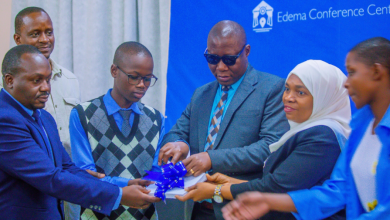
Assistant Director for Climate Change and Environmental Assessment in the Vice-President’s Office, Dr Kanizio Manyika, reported on the positive news during the launch of the Women and Youth Climate Change Negotiators Guide in Dodoma.
Dr Manyika said climate change remains a cross-cutting development challenge that requires inclusive leadership, innovation and coordinated action, noting that empowering women and youth is both a matter of equity and a strategic necessity for achieving sustainable, resilient and climate-smart development.
She said the enhanced Nationally Determined Contribution (NDC 3.0) integrates gender equality and youth empowerment as crosscutting priorities essential for achieving mitigation and adaptation targets.
She added that the National Climate Change Response Strategy (NCCRS), currently under review, reinforces this approach by embedding gender and social inclusion across interventions at all levels.
“I commend the Gender and Climate Change Tanzania Coalition for this timely and transformative initiative that strengthens inclusive participation in climate governance and elevates Tanzania’s voice in global climate processes,” she said.
ALSO READ: Government saves over 316bn/- in legal battles
Dr Manyika noted that the initiative aligns with Tanzania Development Vision 2050, which emphasises human capital development, equity and sustainable growth that leaves no one behind, particularly women and youth who face the greatest climate risks but remain key agents of change.
She further said the government is implementing the National Gender and Climate Change Guidelines and developing a comprehensive Gender Action Plan for the climate sector, in line with the enhanced Lima Work Programme on Gender under the United Nations Framework Convention on Climate Change (UNFCCC).
“As the National Focal Point for climate change, the Vice-President’s Office has taken deliberate steps to increase the representation and meaningful participation of women and youth in international negotiations, including UNFCCC Subsidiary Body meetings and COP sessions,” she said, adding that the efforts have strengthened Tanzania’s technical capacity and inclusivity in global platforms.
In another development, Dr Manyika announced that Tanzania will host the African Climate Change Youth Centre following approval by the Committee of African Heads of State and Government on Climate Change and the African Union Assembly, positioning the country as a continental hub for youth-led climate leadership and innovation.
She said national initiatives such as the Tanzania Transformative Green Programme (TTGP) are advancing climate-resilient development, green industrialisation and sustainable livelihoods, with a strong focus on enabling women and youth to tap into opportunities in the green economy.
Dr Manyika emphasised that the new Negotiators Guide is a timely tool for building confidence, technical capacity and leadership among women and youth in climate negotiations. She said its implementation should align with existing frameworks, including the National Gender and Climate Change Guidelines, the NAP, NDC 3.0, NCCRS and the newly adopted Belem Gender Action Plan.
The Guide is expected to strengthen negotiation capacity, promote gender-responsive policies and enhance participation in decisionmaking at national, regional and global levels. “Tanzania remains committed to advancing gender equality and youth inclusion as core pillars of our national and global climate action,” she said.