Drug seizures reveal networks growing faster nationwide
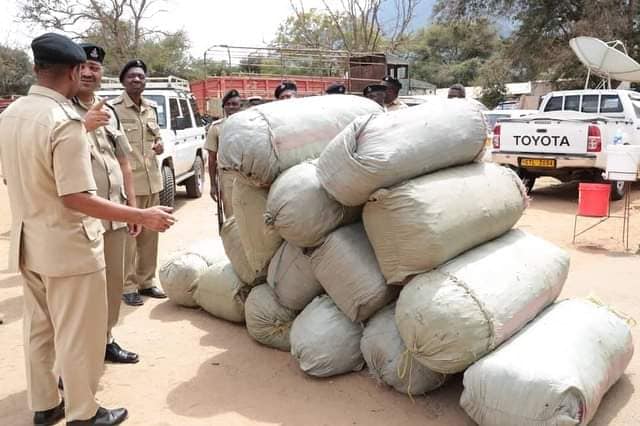
DAR ES SALAAM: RECENT seizures of illicit drugs by Drug Control and Enforcement Authority (DCEA) as enforcement authorities, while impressive, tell a story that is slightly less celebratory than it first appears. Nearly two tonnes of illicit drugs confiscated and dozens of suspects arrested in a coordinated crackdown is no small feat. It reflects commitment, coordination and capability. Yet, if seizures are the visible tip of the iceberg, then what lies beneath should keep policymakers wide awake, possibly with stronger coffee.
The scale of these operations signals both progress and persistence. The drug trade has not retreated; it has recalibrated. The notable surge in plant-based stimulants dominating recent seizures suggests traffickers are not only sleeping, but are innovating daily and globally, this includes deliberately shifting toward less conspicuous commodities that blend easily into everyday commerce. In short, the business model has been updated without issuing a public notice.
Smuggling methods have grown increasingly creative. Concealment in buses, farm produce and ordinary cargo shows a calculated effort to exploit trust in routine systems. When illegal goods travel like regular passengers, detection becomes a game of patience and precision. Unfortunately, traffickers appear to have both. The growing proximity of narcotics to homes and learning environments adds an unsettling dimension, placing younger populations within easier reach of exposure and recruitment.
Even more concerning is the parallel movement of precursor chemicals and controlled medicinal substances. These are not merely side notes in the story; they are the ingredients for a much larger problem. When diverted, they fuel synthetic drug production, turning legal supply chains into unintended accomplices. Weak oversight here is less a loophole and more an open door politely left ajar.
To their credit, authorities have not been idle. Destruction of cultivation sites and seizure of transport assets demonstrate a firm and visible stance. These actions disrupt operations and send a message that enforcement is not asleep on duty. However, dismantling decentralised and opportunistic networks requires more than visible action. It demands sustained intelligence, predictive monitoring and the ability to anticipate rather than react.
Recognition is due for empowering enforcement bodies to act decisively. Public confidence grows when action is seen and felt. Still, evolving threats require equally evolving responses. Surveillance systems must be sharper, interagency cooperation smoother and community reporting more accessible. After all, citizens are often the first to notice when something looks suspiciously unsuspicious.
Investment in advanced analytics, digital forensics and financial tracking is no longer optional. Following the money often leads further than following the cargo. Regional collaboration is equally essential, as cross border flows continue to sustain supply chains that do not respect national boundaries.
Ultimately, success in this fight will depend not just on how much is seized, but on how effectively networks are anticipated and disrupted. A tougher stance, paired with smarter strategies, is the only sustainable path forward. Otherwise, enforcement risks playing an endless game of catch up, while traffickers quietly rewrite the rules.