Ignore cleanliness today, watch communities pay heavy price tomorrow
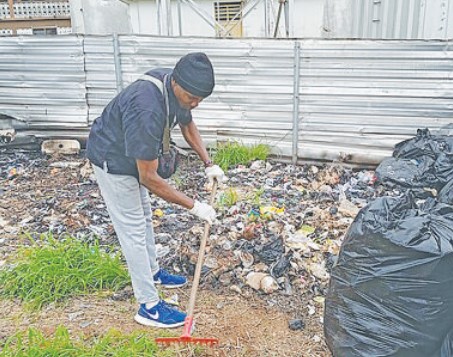
DAR ES SALAAM: ENVIRONMENTAL sanitation may sound like a technical phrase, but at its heart, it is simply about keeping our surroundings clean, safe, and fit for human life. It covers the land we walk on, the water we drink, and the air we breathe—essentially everything we rely on but often take for granted.
In practical terms, environmental sanitation involves managing waste properly, ensuring access to safe water, controlling pollution, and maintaining hygienic conditions in both urban and rural areas. It also includes managing pests and disease vectors, which, unfortunately, are quite fond of untidy environments. Its importance begins with public health.
Poor sanitation creates ideal conditions for disease to thrive. Improper waste disposal attracts bacteria, rodents, and insects, all of which are efficient carriers of illness. Contaminated water spreads diseases such as cholera, typhoid, and dysentery, while stagnant water becomes a comfortable nursery for mosquitoes responsible for malaria and dengue. Sanitation, therefore, is less about appearances and more about prevention.
Clean environments interrupt the transmission of disease before it starts, which is far easier—and cheaper— than treating illness afterward. Air quality is another critical piece of the puzzle. Industrial emissions, vehicle exhaust, and the casual burning of waste release harmful pollutants into the atmosphere.
These pollutants contribute to respiratory conditions like asthma and bronchitis and can lead to more serious long-term health issues. Improving air quality requires both regulation and responsibility.
Cleaner energy sources, better industrial practices, and reduced open burning can significantly reduce health risks. In short, the air should be something we breathe, not something we negotiate with. Water sanitation is equally essential.
Access to safe drinking water remains a challenge in many places, yet it is fundamental to human dignity and development. Unsafe water not only spreads disease but also undermines productivity, as people spend more time sick or caring for the sick. Reliable water systems, proper wastewater treatment, and hygiene education all contribute to healthier communities.
When people are not constantly battling preventable illnesses, they are more productive, and economies benefit accordingly. Solid waste management is another area where sanitation often succeeds—or fails—quite visibly. In rapidly growing urban areas, waste systems frequently struggle to keep up.
ALSO READ: Tanzanians cautioned against ‘kausha damu’ high-risk loans
The result is familiar: piles of rubbish, blocked drainage, and an increase in pests. Beyond being unpleasant, unmanaged waste creates serious risks. It clogs drainage systems, contributing to flooding, and provides breeding grounds for disease-carrying organisms. Effective waste management—regular collection, recycling, and proper disposal—helps prevent these issues and keeps communities healthier.
Environmental sanitation also plays a vital role in protecting natural resources. Polluted water harms aquatic life and contaminates drinking sources.
Soil pollution affects agriculture, reducing both crop yields and food safety. Air pollution contributes to climate change, with wide-ranging impacts on weather patterns, ecosystems, and livelihoods. Sustainable practices, such as reducing pollution at its source and promoting environmentally friendly habits, are essential for preserving these resources.
After all, nature is remarkably resilient, but it does have its limits. Clean environments also support economic and social development. Businesses, investors, and tourists are naturally drawn to clean, well-managed areas. Waste management and recycling industries create jobs, while investments in sanitation infrastructure stimulate broader economic growth. Even education benefits.
Schools with proper sanitation facilities tend to have better attendance, especially among girls, as they provide safe and dignified learning environments. Achieving effective sanitation, however, is not the responsibility of governments alone. Authorities must enforce regulations, invest in infrastructure, and ensure standards are met. But communities and individuals also play a crucial role.
Simple actions—disposing of waste responsibly, conserving water, and maintaining clean surroundings—make a significant difference. Public awareness campaigns can reinforce these habits, reminding everyone that sanitation is a shared responsibility.
Environmental sanitation is, ultimately, a foundation for healthy living, sustainable development, and economic progress. It prevents disease, protects ecosystems, and improves quality of life. In a world facing increasing environmental challenges, from pollution to climate change, investing in sanitation is not optional. It is essential. Because while cleanliness may not solve every problem, neglecting it almost certainly creates many more.