2D barcodes open new trade frontiers for Tanzanian entrepreneurs

DAR ES SALAAM: TANZANIA’s entrepreneurs have being urged to embrace 2D barcode technology as a strategic tool to unlock regional trade opportunities and strengthen their competitiveness in both local and international markets.
The call was made recently by the Chief Executive Officer of GS1 Tanzania, Ms Fatma Kange, during a training session on the use of 2D barcodes.
She said the technology is not only a digital upgrade but also a gateway for small and medium enterprises (SMEs) to integrate into formal supply chains and expand beyond Tanzania’s borders.
According to her, the adoption of 2D barcodes will enable businesses to meet growing market requirements, particularly in supermarkets and export channels, where traceability and detailed product information are increasingly becoming mandatory.
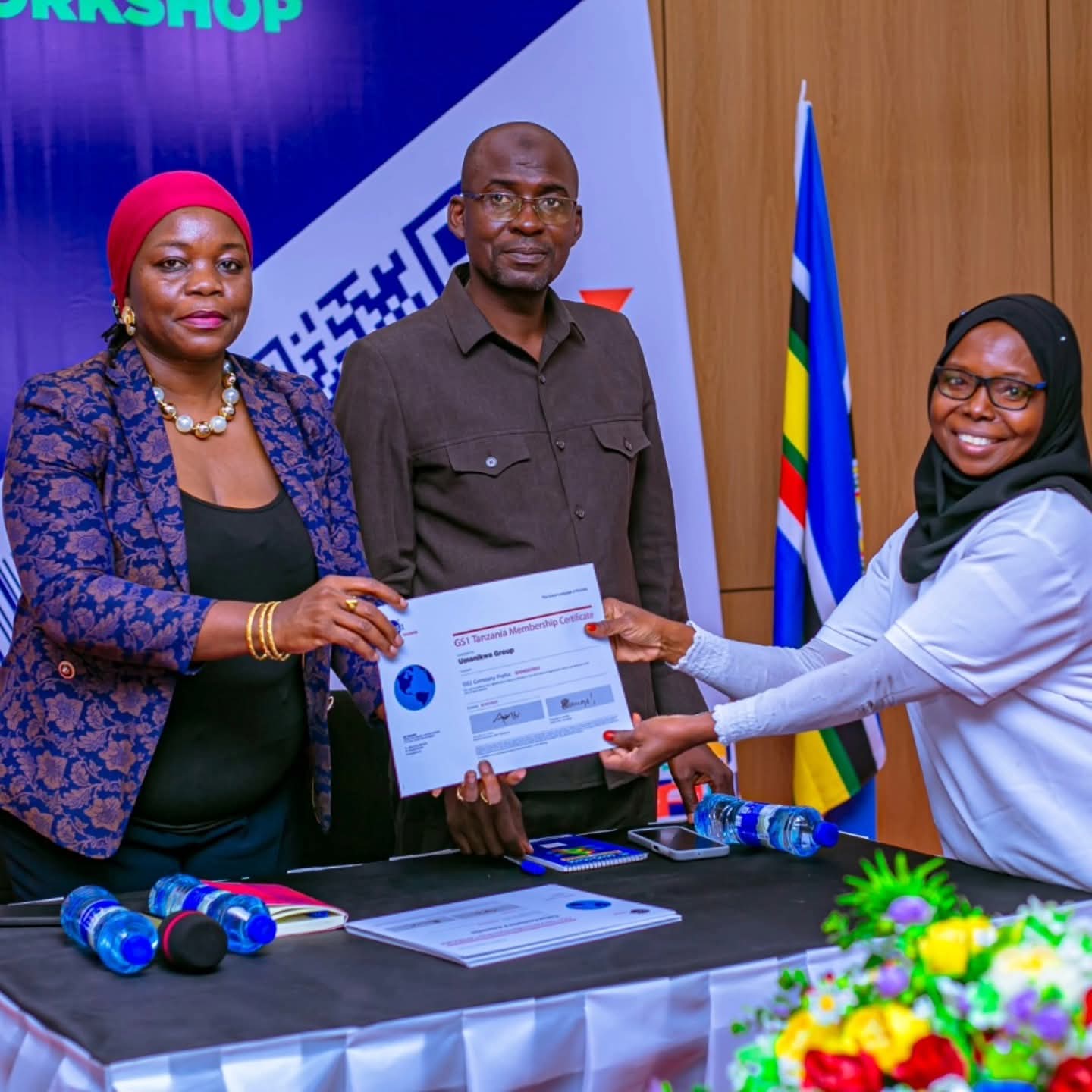
“We are preparing to roll out 2D barcode technology by 2027 as part of strengthening Tanzania’s position in the digital economy. This transition will allow entrepreneurs to include more product details, improve traceability and meet international standards,” she said.
She added that the shift from 1D to 2D barcodes after more than 15 years of use marks a critical step in modernising the country’s business environment and aligning it with global trade systems.
“Fifteen years on, barcode technology has evolved. As we approach the launch of this programme on September 30, we must ensure Tanzanian products are not left behind but instead actively participate in and benefit from the digital economy,” she said.
ALSO READ: Safety, stability: The quiet systems that keep Tanzania moving
Furthermore, Ms Kange said that beyond compliance, the technology offers a powerful marketing advantage. By linking products to digital platforms such as Instagram, Facebook and other online channels, entrepreneurs can directly engage customers and build brand visibility.
“The market has changed. Success now depends on how well you use technology to create value. Entrepreneurs must think beyond survival and focus on growth through digital tools,” she stressed.
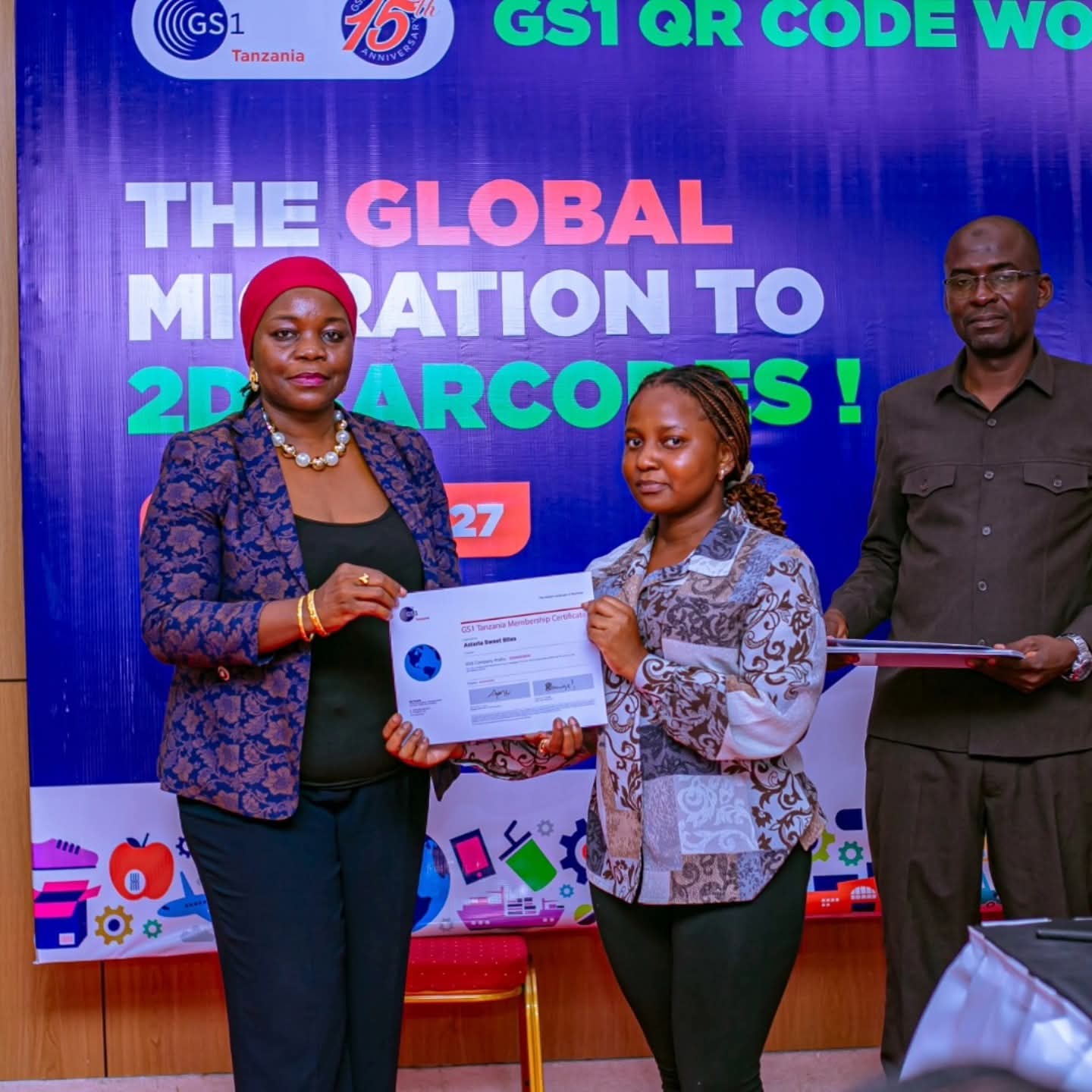
She illustrated the transformation by citing how local products, such as honey, have evolved from being packaged in reused bottles to professionally branded containers that meet market expectations, thereby increasing their commercial value.
Echoing her sentiments, entrepreneur Mr Mwavita Ramadhani said adopting QR codes and 1D barcodes had already transformed his business by opening doors to formal retail markets.
“Before using QR codes, it was difficult to get customers, and supermarkets required detailed product information before accepting my goods. After registration, my business grew and I started gaining customers,” he said.
Looking ahead, he expressed optimism that 2D barcodes will further expand his market reach.
“With this new technology, I am confident my business will grow even more. I will be able to access markets in Kenya, Uganda and beyond,” he added.
He said the adoption of such technologies could play a pivotal role in enabling local entrepreneurs to scale up, compete effectively and tap into emerging opportunities within the African Continental Free Trade Area (AfCFTA) and the wider digital economy.