Silence enables abuse against children, speak out
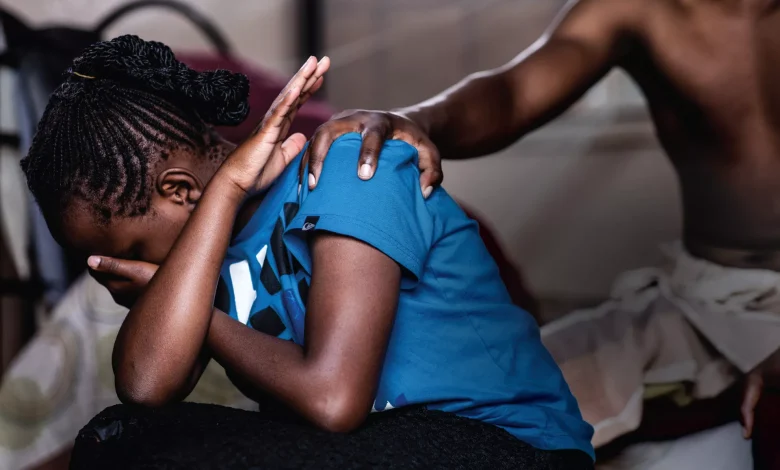
DAR ES SALAAM: A SOCIETY reveals its conscience by how it treats its children. Most telling of all is how it treats the girl-child. For generations, too many communities have quietly embraced a dangerous culture that sidelines girls, grooming them primarily for marriage while neglecting their education, ambitions and personal development. This mindset must end.
A girl is not an investment for a future husband.
She is not a family asset to be transferred through marriage. She is a child first and foremost deserves protection, education, opportunity, and dignity. When we reduce her worth to marital prospects, we shrink her world and rob society of her full potential.
We must note that adults carry the greatest responsibility in shaping a child’s life. Parents, guardians, teachers, religious leaders, and community elders are entrusted with care and guidance.
That trust must never be betrayed. Yet some of the most painful abuse inflicted on children comes from the very people assigned to protect them. This betrayal leaves scars far deeper than physical wounds. It destroys trust, confidence, and the sense of safety every child deserves.
With this in mind, all forms of abuse, be they physical, emotional, sexual, and psychological must be condemned without hesitation. There can be no justification rooted in culture, discipline, or family honour. Violence is not correction.
ALSO READ: Masauni: Protect environment for growth
Exploitation is not tradition. Silence is not protection. The girl-child is particularly vulnerable. In some homes, her voice is silenced earlier and more forcefully than her brothers’. She may be burdened with excessive domestic responsibilities, denied schooling, or pressured into early marriage.
Worse still, when abuse occurs, families sometimes choose secrecy over justice, fearing shame more than harm. Cases are hidden, negotiated privately, or dismissed as family matters. This culture of concealment empowers abusers and abandons victims.
Communities must reject the impulse to “sweep it under the carpet.” Every time wrongdoing is concealed, another child remains at risk. Every time an abuser escapes consequences, the message sent is that power outweighs innocence.
That message is unacceptable. Protecting the girl-child also means expanding her opportunities. Encourage her education.
Support her curiosity. Teach her confidence. Allow her to dream beyond marriage. Marriage can be a choice in adulthood, not a destiny imposed in childhood. A girl who is educated and empowered strengthens her family, her community, and her nation.