

Tanzania’s LNG dreams: Will the project finally take off?
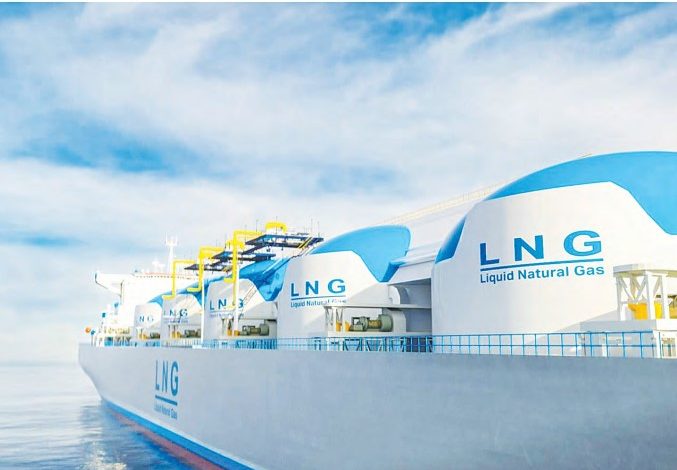
FOR over a decade, the promise of a multi-billion dollar Liquefied Natural Gas (LNG) project has shimmered on Tanzania’s horizon like a heat haze on the Ruaha plains.
The tantalising prospect of transforming vast offshore gas discoveries into a cornerstone of national prosperity has fuelled hopes, inspired policy and captivated the public imagination.
Yet, for just as long, this ambitious endeavour has remained stubbornly grounded, mired in a complex web of negotiations, global market shifts and the inherent challenges of launching a project of such monumental scale.
The question that continues to echo across boardrooms and dinner tables alike is: Will Tanzania’s LNG dream finally take off? The genesis of this aspiration lies in the substantial natural gas reserves discovered off Tanzania’s southern coast, estimated to be over 57 trillion cubic feet.
Such an abundance of clean energy offers a transformative pathway for a developing nation.
Beyond the obvious export revenues, an operational LNG plant promises job creation from highly skilled engineers to logistics personnel and significant foreign direct investment, a crucial ingredient for economic growth.
Furthermore, the domestic utilisation of natural gas could revolutionise Tanzania’s energy landscape, providing a cleaner and more reliable alternative for power generation and industrial use, reducing reliance on costly and environmentally impactful sources.
This is not merely about selling gas; it’s about unlocking a new era of industrialisation and improved living standards.
However, the journey from discovery to production has been anything but straightforward.
The initial euphoria surrounding the finds gave way to the difficult reality of protracted negotiations between the Tanzanian government and international energy giants.
These discussions, spanning multiple administrations, have revolved around critical issues such as production sharing agreements, fiscal terms, local content requirements and the legal and regulatory framework governing such a colossal undertaking.
Balancing the need to attract foreign investment with safeguarding national interests and ensuring a fair share of the profits has been a delicate and often drawn-out dance.
The global energy landscape has also played a significant, often disruptive, role.
When the country’s gas discoveries were first announced, LNG demand was surging and prices were robust.
However, the intervening years have witnessed periods of price volatility, the rise of new LNG producers and a growing global emphasis on renewable energy sources.
This evolving market dynamic has undoubtedly influenced the urgency and terms of investment decisions by the international consortium.
Furthermore, the sheer capital expenditure required – estimated to be in the tens of billions of dollars – demands a stable and predictable investment climate, a factor that both investors and the host government have meticulously scrutinised.
Recent developments, however, offer a renewed sense of optimism.
Under the leadership of President Samia Suluhu Hassan, there has been a discernible push to revitalise the LNG project.
The resumption of serious negotiations, coupled with a more pragmatic and businessfriendly approach, has injected much-needed momentum.
The establishment of a dedicated government negotiation team, working closely with the international partners, has streamlined communication and fostered a more collaborative environment.
There’s a palpable sense that all parties are now genuinely committed to reaching a mutually beneficial agreement.
Moreover, the current geopolitical climate, particularly the emphasis on energy security in Europe following recent global events, has reignited interest in diverse LNG sources.
Tanzania, with its substantial reserves and strategic location on the East African coast, could emerge as a reliable supplier to a hungry global market.
This renewed international appetite for LNG, coupled with Tanzania’s determined efforts to create a conducive investment environment, presents a unique window of opportunity that the nation is eager to seize.
The potential ripple effects of a successful LNG project extend far beyond direct revenues.
ALSO READ: Optimizing natural gas utilization for socio-economic transformation in East Africa
The construction phase alone would generate thousands of jobs, both directly and indirectly, through supporting industries like logistics, hospitality and manufacturing.
The establishment of a major industrial hub in Lindi, the proposed site of the LNG plant, would spur regional development, attracting further investments and improving infrastructure.
Beyond the immediate economic benefits, a thriving LNG sector could also foster the development of a highly skilled local workforce, enhancing Tanzania’s human capital and technological capabilities.
However, challenges remain. The intricate legal and contractual frameworks must be meticulously finalised to withstand future scrutiny and ensure long-term stability.
Environmental considerations, particularly for a project of this magnitude, are paramount and require robust mitigation strategies and transparent oversight.
Local communities in the project area must be genuinely engaged and benefit directly from the development, ensuring that the project contributes to inclusive growth and avoids social dislocations.
Furthermore, the successful management of such a complex undertaking will demand strong institutional capacity and unwavering commitment from all stakeholders.
As the negotiations progress, the air is thick with anticipation.
The whispers of ‘deal imminent’ are growing louder, fuelled by positive signals from both government and company representatives.
While the journey has been long and arduous, the stars seem to be aligning for Tanzania’s LNG dream.
If the remaining hurdles can be cleared with diligence and a shared vision, the project has the potential to transform the country’s economic landscape, propelling it towards a future of sustained growth, increased prosperity and a stronger position on the global energy stage.
The time for Tanzania’s LNG dream to finally take off feels closer than ever before.



992324 747640Thanks for every other informative web site. Where else may I get that type of information written in such an ideal approach? 285417