Zanzibar conducts specialised training to bolster its doctors’ capacity in treating hydrocele patients
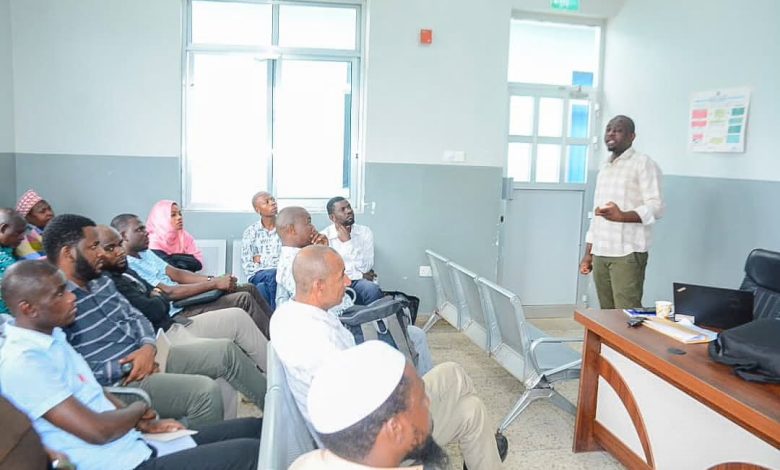
ZANZIBAR: THE Zanzibar Ministry of Health, through its Neglected Tropical Diseases Unit, has conducted specialised training for doctors from district hospitals and health centres in Unguja and Pemba to strengthen their capacity to provide medical care and perform surgery for patients suffering from hydrocele.
The training is part of efforts by the Revolutionary Government of Zanzibar to eliminate hydrocele in the community, following concerns that the condition continues to affect some residents and prevent them from participating fully in social and economic activities.
Speaking during the training, Dr Rashid Saleh Khamis from the Neglected Tropical Diseases Unit said the prevalence of hydrocele in the community had declined significantly and that Zanzibar was now at the stage of working towards eliminating the disease.
He said the Ministry of Health, through the unit, had recognised the need to continue supporting people already living with the condition by ensuring they receive timely medical care and reducing the challenges they face.
According to Dr Khamis, these challenges include social exclusion, difficulties participating fully in daily activities and problems that may affect marital life.
ALSO READ: Dar Free Hydrocele camp draws big turnout in public
Dr Khadija Mohamed Khelef from Mbuzini District Hospital said the training had provided doctors with additional knowledge and practical skills on how to identify patients with hydrocele, conduct examinations and provide appropriate treatment based on each patient’s condition.
She said the doctors had also been trained on patient care during hospitalisation, post-treatment follow-up at home and various techniques for performing surgery on patients with hydrocele.
Dr Tamim Hamad Said, the medical officer in charge at Kizimkazi Health Centre, said the training would strengthen their ability to identify and treat hydrocele patients, enabling them to apply the skills gained to support people in their respective areas of work.
He added that following the training, the doctors would continue working with other health professionals to identify patients living with the condition in the community and refer them for appropriate medical care.