Zanzibar celebrates 62 years of Revolution in peace, stability
ZANZIBAR: AS Zanzibar marks the 62nd anniversary of the 1964 Revolution, a shared sense of happiness and reassurance runs through communities across the islands, where peace and stability continue to shape daily life.
For many citizens, the ability to live, work and interact freely without fear remains the Revolution’s most treasured achievement.
Peace has enabled Zanzibaris to pursue their livelihoods calmly, send their children to school and participate fully in social and economic activities.
Business owners, farmers and workers alike agree that without peace, progress would be impossible. Globally, peace is recognised as a fundamental pillar of national development. In its absence, societies struggle to advance economically, socially or politically.
Where peace prevails, citizens work productively, investors gain confidence and governments can focus on improving education, healthcare and other essential services. Lessons from countries that lost peace World history provides sobering lessons on the cost of undermining peace.
Once lost, peace is difficult, often impossible to restore quickly. Countries that allowed political, religious or ethnic divisions to deepen have suffered prolonged instability.
Somalia remains a striking example. Since the collapse of its central government in the early 1990s, the country has endured decades of civil war.
Despite numerous domestic and international interventions, many Somalis still live amid insecurity, economic hardship and uncertainty.
Sudan and South Sudan also illustrate the dangers of failing to protect peace. Longstanding political and social conflicts led to national division, yet even after separation, lasting peace has remained elusive.
Recurrent violence has caused thousands of deaths, displaced millions and destroyed vital infrastructure such as schools, hospitals and roads. Palestine and Syria offer another painful reminder.
Since civil war erupted in 2011, the Syria has been left in ruins, with millions displaced internally and abroad.
More than a decade later, peace remains out of reach. Zanzibar’s enduring peace Against this global backdrop, Tanzania mainland and particularly Zanzibar stands out as a rare example of sustained peace, unity and stability in Africa and beyond.
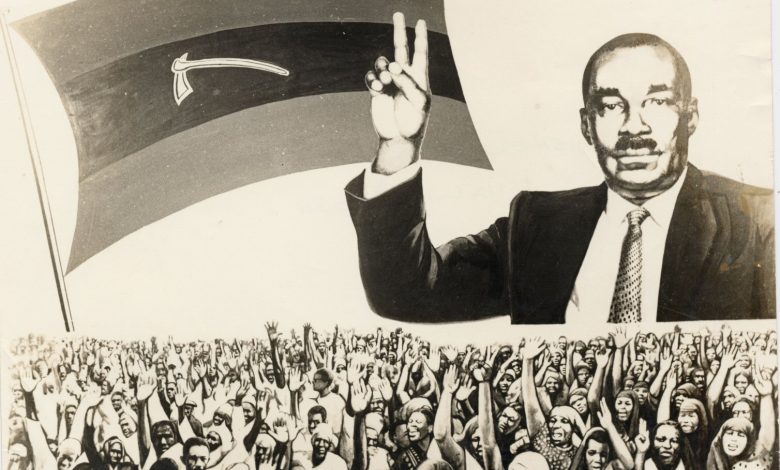
ALSO READ:Sheikh Abeid Amani Karume: Architect of Zanzibar’s Revolution
As part of the United Republic of Tanzania, Zanzibar has continued to serve as a beacon of peace in the East African region. This stability has underpinned social, economic and political development, prompting both government and citizens to treat peace as a national treasure that must never be taken for granted.
Since independence and the Revolution, the nation has built strong foundations of tolerance, mutual respect and cooperationregardless of political, religious or ethnic differences.
These values have earned Tanzania international recognition as a safe place to live, invest and visit.
Religious leaders, elders, civil society and development stakeholders have played a crucial role in nurturing harmony by promoting moral values, love and tolerance.
Their collective efforts have strengthened national unity and reinforced Zanzibar’s reputation as an island of peace.
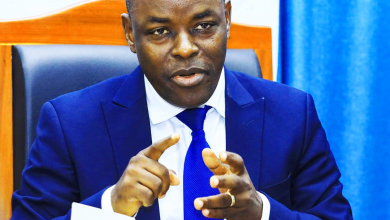
The Zanzibar President and Chairman of the Revolutionary Council, Dr Hussein Ali Mwinyi, recently reaffirmed Zanzibar’s peaceful status while speaking at a national fitness and sports bonanza held at the New Amani Complex.
He said Zanzibar’s peace and stability remain a source of great pride for its people, enabling citizens to participate freely in development activities, including sports and community events.
Dr Mwinyi stressed that the prevailing peace is not a matter of luck but the result of strong patriotism and collective responsibility among citizens to safeguard this invaluable national asset.
He urged Zanzibaris to continue protecting peace through concrete actions by respecting one another, cooperating across differences and resolving challenges through dialogue and reconciliation.
According to the President, unity and cooperation, regardless of political, social or religious affiliations, remain the backbone of national development.
62 years of Revolutionary gains Reflecting on 62 years since the historic Revolution, Dr Mwinyi said Zanzibar has recorded significant progress across key sectors, including education, healthcare and other social services.
He noted that the government continues to launch development projects and lay foundation stones nationwide, with strong public participation reflecting widespread support for development initiatives. “
This enthusiasm demonstrates appreciation for the vision of our founding leaders who led the 1964 Revolution,” he said, adding that today’s achievements allow Zanzibaris to celebrate with confidence.
“We are all beneficiaries of this Revolution,” the President said.
He called on citizens to honour, protect and preserve the Revolution for the benefit of both current and future generations, while continuing to pray for peace, unity and cohesion.
Youth and leaders echo the message The Minister for Information, Youth, Culture and Sports, Dr Riziki Pembe Juma, emphasised the role of young people in safeguarding peace and living by the 62nd anniversary theme, “Peace and Unity Are the Foundation of Our Development.”
He said the theme is reflected in tangible investments made by the Eighth Phase Government under President Mwinyi, particularly in roads, education, healthcare and other key sectors.
Citizens speak on the value of peace The Chairman of the Zanzibar Bodybuilding and Fitness Association (ZABESA), Said Suleiman Said, praised President Mwinyi’s leadership, saying it has delivered unprecedented development across the islands over the past five years.
He attributed the President’s overwhelming re-election victory to visible development achievements and prayed for his continued health and strength to advance Zanzibar further.
Residents from across Zanzibar also shared their views on the importance of peace. Mr Juma Khamis Juma, a resident of Mwera, said peace enables people to carry out daily activities without fear.
“It allows us to work calmly, children to attend school and traders to conduct business freely,” he said.
Ms Asha Salum Mikidad from Fuoni noted that peace strengthens love and solidarity among citizens, fostering respect and cooperation within communities, while Mr Hassan Ali Omar, a businessman at Darajani Market, says peace has made Zanzibar and Tanzania attractive to investors and tourists, boosting the economy and creating jobs for young people.
Peace is a shared responsibility As Zanzibar celebrates 62 years of the Revolution, citizens are reminded that peace is not the responsibility of government alone.
It is a shared national duty that must be protected through actions, words and daily conduct. Examples from countries that lost peace serve as a warning of the heavy price nations pay when stability is undermined.
For Zanzibar, preserving peace, unity and cohesion remain essential, not only to honour the Revolution’s legacy but to secure a prosperous future for generations to come.