YEAR-ENDER: Tourism closes 2025 strong
DODOMA: AS 2025 draws to a close, it leaves behind a notable imprint on Tanzania’s tourism sector, a year marked by global recognition, renewed policy focus and sustained efforts to strengthen the industry’s foundations.
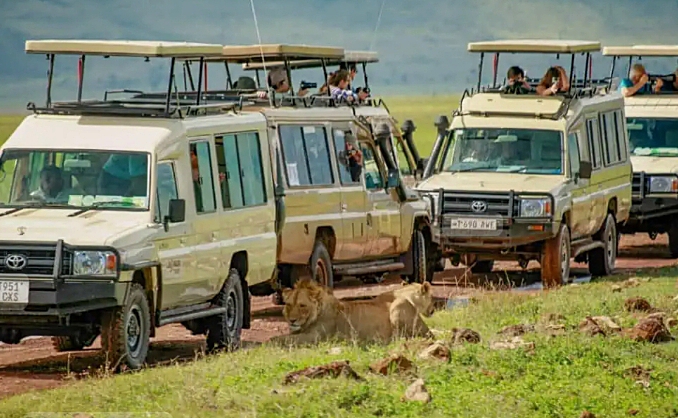
The year’s most significant milestone came when Tanzania was once again named the World’s Leading Safari Destination at the 32nd World Travel Awards (WTA) grand finals held in Manama, Bahrain, reaffirming the country’s standing on the global tourism map.
At the ceremony, which brought together more than 500 government officials and tourism industry practitioners from across the world, Tanzania also secured several other prestigious accolades.
Serengeti National Park was named the World’s Leading National Park, while Serengeti Balloon Safaris won the World’s Leading Balloon Ride Operator award.
Additional honours included recognition for an exclusive private island destination and Zanzibar being named Africa’s Best Corporate Retreat Destination, underscoring the diversity of Tanzania’s tourism offerings, from wildlife and conservation to leisure and business travel.
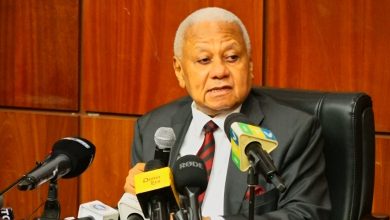
The Permanent Secretary in the Ministry of Natural Resources and Tourism, Dr Hassan Abbasi, described the World Travel Awards as the Oscars of global tourism, noting that the accolades reflect international confidence in Tanzania’s conservation standards, tourism management and visitor experience.
Looking ahead, Tanzania is preparing to host the World Travel Awards in 2026, a development industry stakeholders see as both an opportunity and a responsibility.
Preparations are expected to focus on maintaining service standards, enhancing visitor facilities and ensuring that the country remains competitive in a fast-evolving global tourism market.
Dr Abbasi attributed the sector’s achievements to sustained public investment and coordinated efforts between the government and private sector under the leadership of President Samia Suluhu Hassan. He said the recognition reflects a shared commitment to responsible tourism, conservation and the protection of natural heritage.
ALSO READ: How VEMA project benefits 800 youths in Mwanza
As the country works toward its long-term target of attracting eight million tourists annually by 2030, up from more than five million visitors recorded in 2025, the Ministry of Natural Resources and Tourism has outlined a series of policy and operational priorities to guide the sector.
Speaking in Dodoma while officially receiving the tourism awards won at the World Travel Awards gala in Bahrain, the Minister for Natural Resources and Tourism, Dr Ashatu Kijaji, issued six key directives aimed at strengthening coordination and improving product development across the tourism value chain.
She instructed conservation institutions to enhance tourism and conservation activities in close collaboration with the Department of Tourism, particularly in identifying and developing new tourism products that reflect changing market demands.
The Minister also directed the Tanzania Tourism Board (TTB) to strengthen cooperation with conservation institutions and private sector stakeholders to ensure that tourism products are effectively promoted in both domestic and international markets.
“The Department of Tourism should continue overseeing the implementation of the Tourism Policy and the Tourism Act to improve the business environment, attract investment and increase tourist arrivals,” Dr Kijaji said.
She further tasked information, communication and ICT units with adopting creative approaches to promote tourist attractions while encouraging greater community participation in tourism development and conservation efforts. In addition, the Minister proposed the establishment of a national committee comprising public institutions and private sector stakeholders to coordinate preparations for hosting the World Travel Awards ceremony in Tanzania in 2026.
Dr Kijaji also directed the Ministry’s Permanent Secretary to ensure that a comprehensive assessment is conducted on the implementation of directives, opportunities and strategies introduced through the Royal Tour initiative.
“This assessment should identify actions taken, achievements recorded, challenges encountered and areas requiring strengthening to ensure the Royal Tour initiatives are fully enhanced, boosting tourism, investment, employment and conservation of natural resources for the benefit of the nation,” she said.
Tanzania is globally recognised for its rich biodiversity and cultural heritage and is classified as a megadiversity nation alongside countries such as the Democratic Republic of Congo, Brazil and Indonesia. The country’s tourism appeal is anchored in its wildlife, landscapes, cultural sites and marine resources.
Approximately 25.4 per cent of Tanzania’s total land area has been designated as protected areas, including national parks, game reserves, forest reserves, cultural heritage sites and game-controlled areas, placing conservation at the centre of the country’s tourism strategy.
Since independence in 1961, Tanzania has made steady progress in developing its natural, cultural and tourism sectors. Tourism infrastructure has been upgraded to meet international standards, while accommodation facilities continue to expand to meet growing demand.