

With 30pc victims, heart complications hit Arusha residents
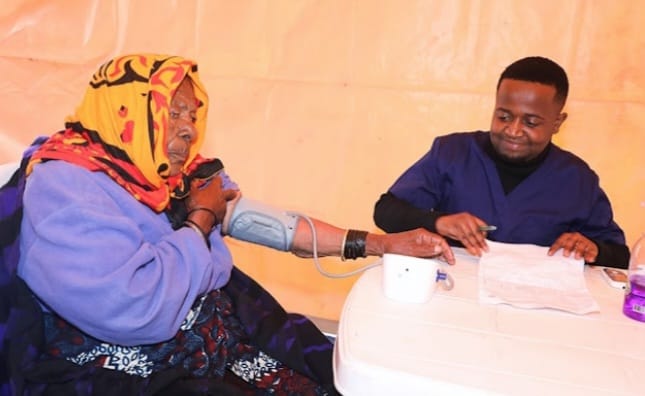
ARUSHA: OVER 30 percent of people tested for heart disease were found to have various heart problems, including the heart’s electrical system, valves, blood vessels, and heart enlargement.
In a special camp of specialist doctors and specialists in various diseases held in Arusha by the Jakaya Kikwete Heart Institute (JKCI), 537 people have received free heart screening and treatment services.
Speaking after the cardiac testing and treatment service at the camp, the cardiologist from JKCI, Mohamed Aloyce, said that out of the 503 people tested, 34 were adults and 34 children, of whom 366 were women and 171 were men.
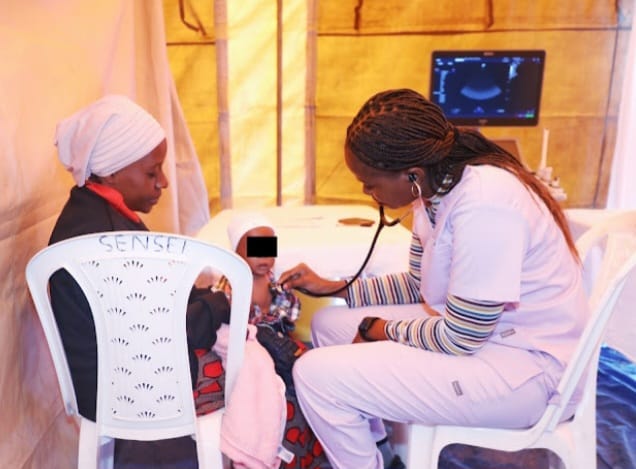
“Of all the people we tested, 376 people, which is equivalent to 70 percent, were found to have good heart health while 161, equivalent to 30 percent, were found to have various heart problems including the heart’s electrical system, valves, heart blood vessels, and heart enlargement.”
He noted that the statistics show the importance of continuing to provide regular cardiac testing and treatment services to citizens who were not being reached by this specialist service.
“In the camp, 24 patients were found to have problems that required further investigation and specialist treatment at the Jakaya Kikwete Heart Institute (JKCI) located in Upanga in Dar es Salaam. We have referred 15 of these patients, adults and 9 children,” said Dr. Aloyce.
ALSO READ: Heart complications are alarming, as 560 people attend screening
For her part, a specialist pediatrician from the Jakaya Kikwete Heart Institute (JKCI), Rose Chengo, said some of the children tested were experiencing symptoms such as delayed growth, weight loss or failure to participate in normal activities according to their age.
“For some of the children we identified with heart problems, their parents explained that they were completely unaware of the reasons for their children’s poor health, but through tests we determined that they had heart problems that had been contributing to the situation,” said Dr. Chengo.



855477 935025You produced some decent points there. I looked online towards the problem and discovered a lot of people is going in addition to making use of your web site. 929958