Why youth’s role in peaceful politics crucial for TZ’s future
- They must reject divisive politics, embrace issue-based campaigning
DAR ES SALAAM: AS Tanzania continues to build on its legacy of peace and democratic stability, the active involvement of young people in promoting respectful, issue-based politics is increasingly seen as vital to securing the nation’s future.
In order to uphold the country’s long-standing peace and tradition of clean politics, citizens, particularly the youth, are being urged to reject divisive rhetoric and hate speech in favour of respectful, issue-based dialogue.
In a series of interviews over the weekend, political analysts and experts stressed that peaceful youth participation through respectful engagement is key to enabling young people to voice their concerns while fostering social cohesion and understanding, regardless of political differences.
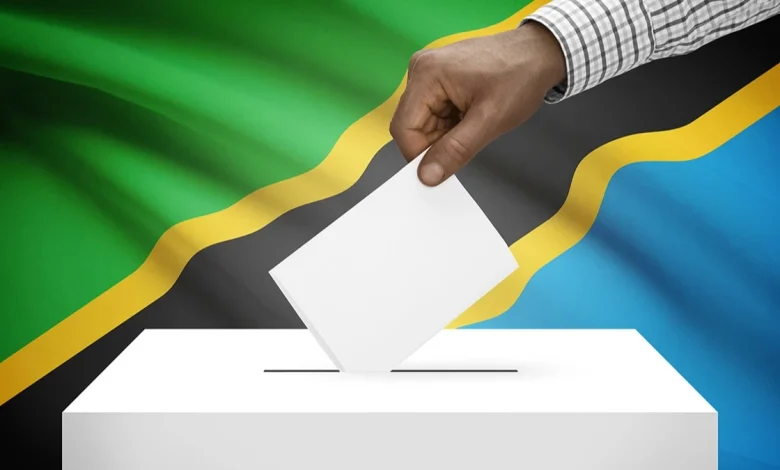
The calls come as the country heads toward the General Election on October 29th, this year with an emphasis on the need for every citizen to peacefully exercise their democratic rights, whilst maintaining prevailing peace and unity.
Director of the Africa Peace and Development Network (MAMA) and Senior Research Fellow, Dr George Mutalemwa argued that there is no substitute for clean politics and all civilised elections must be non-violent.
“Peaceful participation is indisputable. All civilised elections must be non-violent. The electoral process must be clean, just and peaceful, only then will its outcomes be accepted,” Dr Mutalemwa stresses.
“Young people must be smart in making their decisions. The future won’t give them a second chance,” he adds.
Dr Mutalemwa defines clean politics as one that prioritises the good of all people and seeks leadership committed to justice, peace and development without exception.
Ms Christina Mikindo, 23, a youth leader and former Speaker of Mzumbe University’s 2024 Student Representative Council, says youth engagement in politics should go beyond emotion and be grounded in critical judgment for greater effectiveness and impact.
She urges young people to focus on shared values such as integrity, justice and service and to pursue inclusive civic action.
“Young people are the heartbeat of democratic renewal. Our energy and idealism can shift politics from self-interest to public service,” she says.
ALSO READ: Parent actively, vote peacefully as parents
Ms Mikindo adds that through positive engagement, youth can challenge entrenched systems, demand accountability, use technology to expose corruption and mobilise civic action.
She notes that many youth enter politics driven by emotion, whether frustration, hope, or loyalty to personalities and calls for a shift toward policy-driven participation.
“My focus is on legal clarity, ethical governance and reform. Constructive change often starts outside party lines, through civic education, legal advocacy and policy dialogue,” she says.
She proposes the creation of youth-led forums, think tanks and legal clinics to promote cross-cutting dialogue and help shift from personality politics to issue-based engagement.
She also envisions a future where youth participate fully in elections and mentor each other toward ethical leadership.
A Political Science lecturer at the University of Dar es Salaam, Dr Richard Mbunda calls for expanded civic education for youth, so they can contribute positively to national politics, rather than be misused to incite unrest.
Looking ahead to the General Election, he urges government bodies and political stakeholders to actively mobilise youth to participate peacefully in the entire electoral process.
“There must be a nationwide campaign encouraging youth to participate in the General Election in a manner that sustains peace,” he says.
Dr Mbunda also calls on the government to ensure free, fair and predictable elections, which foster trust and allow youth to confidently vote or stand as candidates.
He says that youth who make up the majority of Tanzania’s population, hold significant electoral power.
“People, land, clean politics and good leadership remain the four pillars of progress, as stated by Mwalimu Julius Nyerere, our founding father of the nation,” he notes.
Political analyst Yona Mapury calls on young people to believe in their capabilities and contest leadership positions, including as Members of parliament, ward councillors and even presidential candidates.
Citing the 2022 Population and Housing Census, he notes that over 34 per cent of Tanzania’s population of more than 61 million are youth, a strong case for their inclusion in decision-making roles.
“This statistic underscores the need for youth to be part of policy and leadership processes to achieve sustainable development that leaves no one behind,” he says.
He urges all citizens to exercise their constitutional right to vote and to elect visionary leaders committed to peace, unity and national progress.
“We are in the most consequential election year of our time. This is our chance to choose good leaders and decide our future,” says Mr Mapury.
“Elected leaders implement party manifestos and national development policies. Our votes determine how our country is governed.”
A public administration and governance expert from the Institute of Accountancy Arusha (IAA), Dr Adam Mnyavanu urges political parties to prioritise youthfocused issues especially job creation, small and medium enterprises (SMEs) empowerment and security.
He says youth are central to the present and future workforce and their inclusion is critical for advancing the national industrialisation agenda.
Dr Mnyavanu also calls for deeper integration between higher learning institutions, vocational training and agro-education to enhance youth livelihoods.
“Youth not only have the power to vote, but the power to redefine and accelerate national development,” he says.
He points out that youth votes matter not just in number, but in meaning as a reflection of the kind of leadership they expect.
Diana Shabani, 23, youth advocate and Speaker of the African Union Students’ Parliament, stresses that public participation in the upcoming election is the lifeblood of Tanzania’s democracy.
“For us as young, educated Tanzanians, participation is especially critical. We inherit the long-term consequences of today’s decisions or indecision,” she says.
“Our energy and ideas and our grasp of modern challenges like technology, climate resilience and economic innovation, are key to the country’s future.”
She urges all citizens, especially youth to vote and engage meaningfully so their vision of a dynamic, equitable and prosperous Tanzania becomes central to national development.
“Voting affirms our commitment to peace, democracy and the constitutional process,” she concludes