Why good health is crucial for every child
IN the quiet rhythm of early mornings across Tanzania, as children prepare for school and toddlers take their first unsteady steps, an invisible force shapes their future good health.
Behind every strong, curious and active child lies a foundation built not just on love and learning, but on health right from the womb to the first years of life.
Yet, in many communities, this foundation is often shaky.
Nutrition is inadequate and sanitation is poor as a result thousands of children begin life at a disadvantage, malnourished, vulnerable to disease and stunted in growth and development.
According to recent data from the Ministry of Health, nearly three in ten Tanzanian children under the age of five suffer from stunting, a condition often caused by chronic malnutrition and repeated illness.
Stunting doesn’t just mean short stature it affects brain development, school readiness and long-term productivity.
Experts agree that the first 1,000 days of a child’s life from conception to age two (2 years) are a golden window for setting the path to lifelong health.
This means good nutrition, proper hygiene, clean environments, regular check-ups and emotional support must be prioritised.
But building that healthy start isn’t just the job of clinics and doctors it’s a community effort.
From the mother ensuring her child eats a balanced meal, to the teacher encouraging hand washing, to local leaders advocating for better water and health services, everyone plays a role.
In addressing the challenges related to heath, Tanzania is implementing the National Multi sector Early Childhood Development Programme (NMECDP) 2021/22 – 2025/26, focusing on various interventions including good health for children aged 0-8 years.
A follow-up on the NMECDP conducted by Daily News in Mpwapwa District, Dodoma Region revealed that Children aged 0–8 have been frequently affected by preventable illnesses such as coughs, intestinal worms, bloated stomach (kiribatumbo), skin diseases, urinary tract infections (U.T.Is) and typhoid fevers.
These health issues are often linked to poor hygiene, inadequate sanitation and limited access to clean water.
Further findings from the same monitoring exercise, which was carried out in four wards within the district, showed that only 24.8 per cent of the schools visited had dedicated toilet facilities for pre-primary children.
This lack of child-friendly sanitation infrastructure poses a serious threat to the health and well-being of young learners, increasing their vulnerability to infections and other hygiene-related illnesses.
ALSO READ: ‘Good health data crucial for AU member states’
The situation triggered the stakeholders to emphasise an urgent need for improved health and sanitation services in schools, particularly for early childhood education centres, to ensure that children can grow and learn in safe, healthy environments.
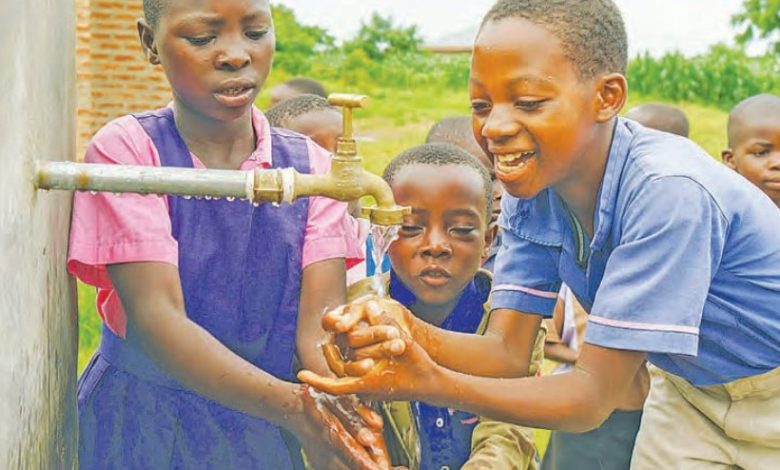
In an interview with the Daily News, Health Officer at Mpwapwa Hospital Ridhiwan Yusuph urges teachers to continue ensuring that health guidelines are observed in schools, especially hand washing among students as a way to protect against various diseases, including intestinal infections.
He adds that, although school infrastructure in many parts of the district is generally friendly, there are still some areas that require special attention, such as the availability of water and accessible toilets for students with special needs and for early childhood learners.
He says many schools lack toilets that meet the required standards to accommodate all student groups, particularly those with disabilities.
However, in areas where a reliable water supply is available, there has been a noticeable improvement in overall hygiene and health.
This is largely due to students being able to wash their hands regularly, a practice that is strongly encouraged as an effective preventive measure against a wide range of illnesses.
“A good health is more than just an absence of illness, it is the gateway to education, opportunity and a better tomorrow for every child.” he emphasises.
The Heath officer’ views were echoed by Mazae Ward Education Officer in Mpwapwa District, Honoratha Vianey, who emphasises the need of having concerted efforts between government and other stakeholders to continue improving good hygiene in schools.
She says the government has been collaborating with various stakeholders including HakiElimu to ensure proper hygiene in schools.
“I would like to commend HakiElimu for helping us to drill a well at Idilo Primary School… we invite other stakeholders to join the move to ensure proper hygiene of our children.”
Noelina Msumari (20) is a young woman who represents many teenage mothers in Tanzania.
She dropped out of school after becoming pregnant, but later made a remarkable comeback by scoring Division Two in her national Form Four final examinations.
Noelina, who dreams of becoming a doctor, shared that after discovering she was pregnant, she feared her dreams were over.
However, her Headmaster, Mr Janson Tuya, played a pivotal role in changing the course of her life. Through the Re-Entry Programme, he reached out to her and supported her return to school.
Regarding access to healthcare services during her pregnancy and after childbirth, Noelina commends the government for ensuring that maternal and child health services are available even at the ward level.
She adds, “My child received all the essential vaccinations as required and during our clinic visits, we were also provided with parenting education by healthcare professionals.”