Why artists’ residencies matter in the creative cycle
DAR ES SALAAM: THE role of artists’ residencies in nurturing creativity, collaboration and cultural exchange cannot be overstated.
In Tanzania, the Art for Social and Economic Development in Africa (ASADEVA) is setting a powerful example by officially launching the ‘Marafiki Home Artists Residency’, a dynamic space designed to inspire and elevate artistic voices from across the region and beyond.
Located at ASADEVA’s headquarters in Kinondoni, Dar es Salaam, the newly inaugurated Marafiki Home is more than just a building it’s a sanctuary for creativity.
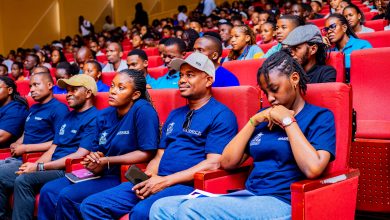
With the capacity to host up to 20 artists at a time, the residency offers an ideal environment for reflection, creation and collaboration. The vibrant launch event drew a diverse gathering of stakeholders from the arts industry, who praised ASADEVA for this forward-thinking initiative.
It marked a pivotal moment in the country’s arts landscape, emphasising the growing recognition of artists’ needs for dedicated spaces to produce and refine their craft.
ALSO READ: Mkwawa Rally lures Pandya’s comeback
Delivering the keynote address, National Arts Council (NAC) Executive Secretary, Kedmon Mapana, commended ASADEVA’s consistent efforts in transforming Tanzania’s creative sector.
“From what you are doing, you are driving transformation, not just movement,” Mapana remarked.
“Launching this residency to host artists from within and outside Tanzania is a tremendous step forward.”
He also addressed some of the financial challenges facing arts organisations, acknowledging that institutions like NAC and the Tanzania Film Board are equally constrained.
“The reality is, we are all navigating economic hurdles. However, we are committed to making real change,” he said.
In an encouraging move, Mapana announced significant changes aimed at reducing financial burdens on artists. Starting July 1st, NAC will introduce more artist-friendly guidelines, including: Abolishing the 50,000/- permit fee previously required for Tanzanian artists traveling abroad for professional engagements.
Revising foreign artist permit fees, allowing exemptions for educational, cultural exchange and residency-related activities.
“If artists are coming for commercial gain, the fee remains at 1.5m/-,” Mapana explained.
“But for residencies like ASADEVA’s, exemptions apply. We want to promote collaboration, not discourage it.” For artist collectives, he also revealed a group permit fee of 500,000/-, replacing the individual charge of 1.5 million/- per artist, a move designed to stimulate international exchange and artistic enterprise.
ASADEVA Director, Isack Abeneko, expressed gratitude for NAC’s continued support, noting that the collaboration has been instrumental in implementing various impactful programmes.
“Marafiki Home will serve as a creative refuge, especially for local artists who often struggle with access to affordable spaces. It will allow them to work peacefully and present their creations to a broader audience,” he shared.
Beyond the residency, ASADEVA is actively involved in community-centric initiatives addressing gender, health, heritage and entrepreneurship through the arts.
Their flagship programmes include Marafiki Art Festival, Marafiki Night Live and Marafiki Theatre Lab. International collaborations also form a core part of ASADEVA’s identity, with partnerships involving German arts organisations yielding projects such as: Majimaji Flava, Fear & Fever, Vinyago Project and Ultimate Safari.
Looking ahead, Abeneko revealed two upcoming projects in the pipeline: Dinosaur and the Youth Cultural Exchange Programme, both poised to deepen global artistic ties.
Why Residencies Like Marafiki Home Matter Artist residencies play a vital role in the creative ecosystem by offering time, space and support for artists to experiment, research and connect.
They foster crosscultural dialogue, fuel innovation and often lead to the development of transformative works that reflect and shape society.
With the launch of Marafiki Home, ASADEVA has not only provided a physical space for artistic growth but also reinforced the importance of structured creative cycles in building a sustainable arts economy in Tanzania.
As the doors of Marafiki Home open to local and international creatives, the message is clear: Tanzania is ready to nurture its artists, embrace global exchange and make art a cornerstone of social and economic development.