What is killing Kenyans? Dual disease burden strains fragile health system

NAIROBI: KENYA’s hospitals are grappling with a double burden of disease, as infectious illnesses persist while non-communicable diseases (NCDs) rise sharply, stretching an already fragile health system.
In public wards, children admitted with malaria or pneumonia lie alongside patients recovering from stroke or managing diabetes and cancer-conditions once considered rare but now increasingly common.
NCDs, including heart disease, diabetes, cancer and mental health disorders, account for nearly 40 per cent of all deaths in Kenya, according to the 2025 Population Situation Analysis Report. Yet infectious diseases such as malaria, tuberculosis and HIV remain widespread.
Health experts say the country is being forced to fight old epidemics and new ones simultaneously, without the staffing or supplies to cope.
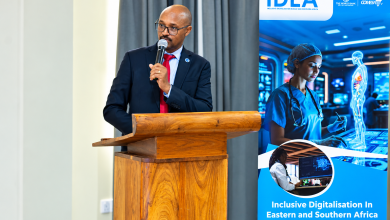
“This report is a wake-up call,” said Dr Mohamed A Sheikh, director general of the National Council for Population and Development.
“The deaths we are seeing today are not inevitable. They are preventable.” Maternal deaths far above global target Kenya’s maternal mortality rate stands at 355 deaths per 100,000 live births, five times higher than the Sustainable Development Goal target of 70. Geography often determines survival.
Women in northern counties such as Mandera and Wajir face significantly higher risks than those in Nairobi, reflecting shortages of trained health workers, long distances to facilities and frequent medicine stock-outs.
The leading causes such as post-partum haemorrhage, eclampsia, sepsis and obstructed labour are well known and largely preventable with timely care. Beatrice Kimani, 29, from Mandera, developed severe preeclampsia during her second pregnancy.
Her local clinic lacked basic equipment and drugs and there was no ambulance. By the time she reached a district hospital two hours away, she was convulsing. She survived; her baby did not.
Health officials say such cases are common in arid and semi-arid counties, which consistently report higher maternal mortality alongside chronic shortages of skilled staff.
Children dying of treatable conditions Under-five mortality remains driven largely by birth complications, prematurity, pneumonia, diarrhoea and malnutrition are conditions for which low-cost interventions exist.
ALSO READ: Dar renews efforts to combat non-communicable diseases
The report notes decline in skilled birth attendance and antenatal care coverage in some underserved counties. Families often face high outof-pocket costs for transport and medicines, forcing delays in seeking care.
While the number of health facilities has expanded over the past decade, access on paper does not always translate into effective treatment.
“A building is not the same as care,” said a nurse in a rural clinic who asked not to be named.
She serves a catchment area of more than 10,000 people as the sole nurse, delivering babies, vaccinating children and managing chronic illnesses.
Kenya has 0.89 doctors per 10,000 people, far below the level required for universal health coverage. Nurse shortages are also severe, particularly outside major urban centres.
Even where staff are available, essential medicines are frequently out of stock, forcing patients to buy drugs privately. The report cites procurement delays and administrative bottlenecks that leave pharmacy shelves empty despite allocated funds.
Population pressure Kenya’s population has expanded rapidly, from 5.4 million in 1948 to 47.6 million in 2019 and is projected to surpass 50 million by 2030. More than 60 per cent of citizens are under 25, driving demand for maternal, child and adolescent health services.
Fifteen per cent of girls aged 15–19 have been pregnant, with significantly higher rates in some arid counties. Limited access to contraception and youth-friendly services contributes to high adolescent fertility, particularly in rural areas.
Grace Lekaita, now 19, became pregnant at 16 in Samburu County. The nearest health facility was 30 kilometres away and she delivered at home.
She has since had a second child and says she has struggled to access contraception. Nationally, fertility has declined from more than eight children per woman in the 1980s to about 3.4 today. Modern contraceptive use has increased overall, but regional disparities are stark.
Counties with higher contraceptive uptake tend to record lower maternal and child mortality than areas where access remains limited.
Calls for reform Dr Sheikh said Kenya must adopt integrated service delivery to address both infectious diseases and NCDs, expand access to emergency obstetric care in high-mortality counties and strengthen supply chains to prevent drug shortages.
He also called for improved pay and working conditions to retain health workers in rural areas, expanded training programmes and broader access to modern contraception, particularly for adolescents.
With Kenyans living longer life expectancy has risen to nearly 67 years health officials say the country must invest urgently in prevention and primary care to avoid escalating costs and preventable deaths.
“The potential is there,” Sheikh said. “But without decisive action, too many Kenyans will continue to die from conditions we already know how to treat.”