

VP Ndejembi sees Tanzania lead Africa in connecting power to its citizens as per World Bank statistics
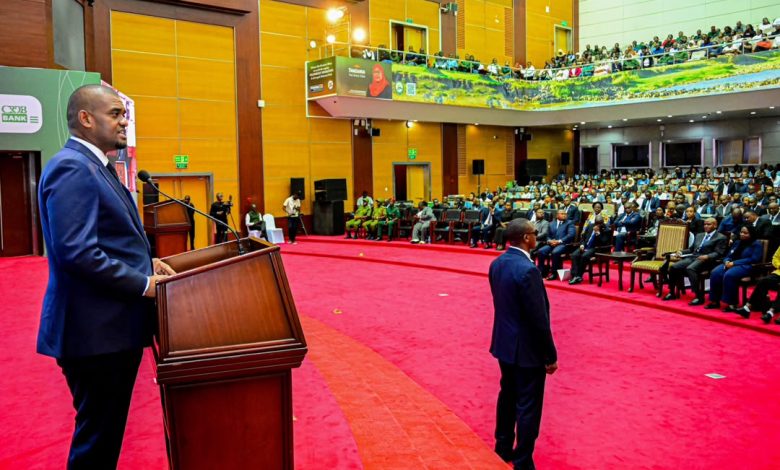
DAR ES SALAAM: VICE President Deogratius Ndejembi said Tanzania leads Africa in connecting citizens to electricity services, citing World Bank statistics as evidence of the country’s progress.
Ndejembi made the remarks today, October 2, 2026, in Dar es Salaam during the signing ceremony for an electricity connection financing scheme between Tanzania Electric Supply Company (TANESCO) and CRDB Bank.
He said Tanzania currently has nine million electricity customers, with TANESCO serving six million and the Rural Energy Agency (REA) serving three million.
“According to World Bank statistics, Tanzania leads Africa in connecting citizens to electricity services. As we speak, we have nine million customers, with six million served by TANESCO and three million by REA,” he said.
Ndejembi said the figures demonstrated the progress made in the government’s efforts to ensure wider access to electricity, adding that the partnership between TANESCO and CRDB was intended to further ease access to the service.
ALSO READ: Ndejembi graces the launch of TANESCO-CRDB Bank deal to expand Tanzanians’ access to power
He said the financing scheme initially targets 500,000 rural customers annually, with CRDB covering the 27,000/– electricity connection fee for beneficiaries.
For urban residents, Ndejembi said TANESCO, in collaboration with CRDB, had established a special arrangement allowing customers to pay connection costs in instalments.
He also said the government had introduced the Peri-Urban project for residents living in areas with characteristics similar to rural communities but located within the administrative boundaries of towns, municipalities or cities. Such residents will also benefit from the 27,000/- connection fee.
The Vice-President commended CRDB Bank for the initiative, saying cooperation between financial institutions and the private sector was important in removing financial barriers that could prevent citizens from accessing electricity services.


Hana hela
Hana Hela
Hana Nyumba
Hana Nyumba
Hana Kiwanda
Hana Kiwanda
Hana Baya
Hana Baya
Hana Ajira
Hana Ajira
Hana Shamba
Hana Shamba
Hana Kiwanda Cha Magazeti
Hana kiwanda cha Magazeti
Hana TV
Hana TV
Hana Umeme
Hana Umeme
Hana SGR
Hana SGR
Hana Fidia
Hana Fidia
Tanzania’s reported nine million electricity customers are notable, but the more meaningful test is whether those connections are reliable and affordable, especially for rural households. The CRDB arrangement to cover the 27,000/- fee could help reduce upfront barriers, though recurring costs and last-mile grid stability will determine the real impact.