Use football to turn Tanzania’s handicrafts into a global brand

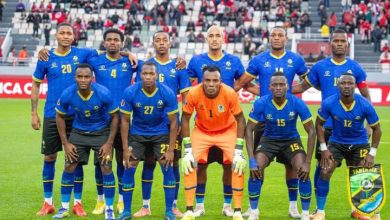
DAR ES SALAAM: WHEN Tanzania talks about the 2027 Africa Cup of Nations (AFCON), the conversation naturally centres on football: The stadiums, the national team, visiting supporters, continental stars and the excitement of hosting one of Africa’s biggest sporting events.
But beyond the pitch lies another opportunity that could have a lasting impact on Tanzania’s economy and international image: Culture, creativity and commerce.
For Tanzanian entrepreneurs, artisans, designers and manufacturers, it could become a gateway to new customers, new markets and greater global recognition for locally made products.
Ms Anna Lugenge, founder and Creative Director of Bella Ragazza Tanzania, has identified this opportunity.
She believes locally produced handicrafts, including woven baskets and leather products such as handbags and shoes, can reach both domestic and international consumers through the exposure generated by the tournament. Her point is significant because major sporting events are rarely only about sport.
They are also powerful platforms for destination marketing. Thousands of supporters, journalists, officials, players and tourists will arrive in Tanzania.
While football may be their primary reason for coming, they will also encounter the country’s food, fashion, music, art, hospitality and culture.
They will take photographs, share their experiences and, in many cases, return home with products that remind them of their visit.
That is where Tanzanian handicrafts can make their mark. The handicraft sector also offers an important opportunity for women entrepreneurs and small businesses.
Across Africa, women play a significant role in producing and selling crafts, clothing, accessories and other creative products. Expanding these enterprises help to generate income, create employment and support communities.
However, exposure alone will not be enough. Products must meet international expectations for quality, durability, design and presentation. Businesses must also be prepared to respond when demand increases. Ms Lugenge says preparations are complete and producers are ready to meet customer demand.
That readiness will be critical. There is little value in attracting international customers if businesses cannot supply them consistently after the tournament.
A supporter arriving for AFCON may come to watch football but leave with a new appreciation of Tanzanian creativity.
A beautifully designed leather handbag, a handcrafted pair of shoes or a distinctive woven basket can become more than a souvenir.
It can become a piece of Tanzania travelling to another country. The goal should be to make “Made in Tanzania” a mark of quality, rather than simply a statement of origin.
ALSO READ: Tanzania must match its football ambitions with infrastructure
Instead of asking how much merchandise Tanzania needs to import for visitors, perhaps the more important question is: How much of what AFCON visitors buy can be produced by Tanzanians?
The answer could have significant economic implications. If the quality is high and the branding is strong, that customer may later search for the producer online, recommend the product to friends or become a repeat customer.
A single AFCON purchase could, therefore, develop into a longterm international business relationship. Ms Lugenge notes that some products made in Tanzania are not readily available elsewhere.
That uniqueness could become one of the country’s strongest competitive advantages. In an increasingly crowded global marketplace, consumers value not only products but also their stories, authenticity and identity.
Tanzanian handicrafts can offer all three. There is, however, a danger in viewing handicrafts merely as souvenirs for tourists to purchase before leaving the country. Tanzania should aim higher. AFCON 2027 should be used to position locally made products as serious commercial brands, rather than simply keepsakes.
That requires investment in quality, packaging, branding, presentation and digital marketing. Every satisfied visitor can become an informal ambassador for Tanzania. A supporter returning home with a Tanzanian-made handbag, basket or pair of shoes is carrying part of the country’s story with them.
In today’s social-mediadriven world, that can be enormously valuable. Tanzanian creativity can give the world a reason to remember long after the tournament.