Union vexes ease as economic cooperation shape relations
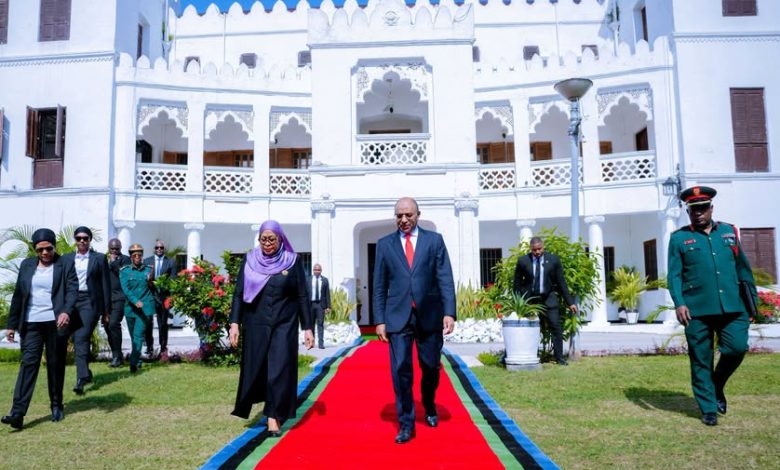
ZANZIBAR: AS President Dr Samia Suluhu Hassan marks one year of her second term, progress in resolving Union grievances between Zanzibar and Mainland Tanzania provides an opportunity to assess how dialogue, negotiated agreements and economic cooperation are shaping relations.
The movement of goods between Zanzibar and the Mainland, taxation of businesses, electricity costs and access to economic opportunities have featured for years among issues requiring government intervention.
Their resolution matters because the Union is not sustained by its constitutional foundations alone; it also depends on practical arrangements that allow citizens, businesses and public institutions to operate fairly across both sides.
For decades, some of these concerns complicated business operations and raised questions about fairness, implementation of agreements and the distribution of economic benefits.
However, negotiations between the Union Government and the Revolutionary Government of Zanzibar have produced agreements intended to address the challenges.
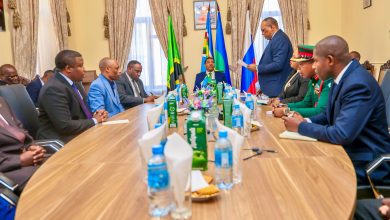
Under President Samia’s leadership, working with Zanzibar President Dr Hussein Ali Mwinyi, the two governments have accelerated efforts through a Joint Committee established to examine and resolve the grievances.
The historic Union, established on April 26, 1964, between Tanganyika and Zanzibar, is now more than six decades old.
Addressing disputes has therefore become important to sustaining cooperation, strengthening public confidence and ensuring that the Union delivers benefits to citizens.
According to a 2026 report by the Zanzibar Second VicePresident’s Office and the Union Vice-President’s Office, 22 of the 25 identified Union matters had been resolved, leaving three outstanding at the time.
Subsequent government reports documented further progress, including an agreement on the longstanding sugar trade dispute in April 2026.
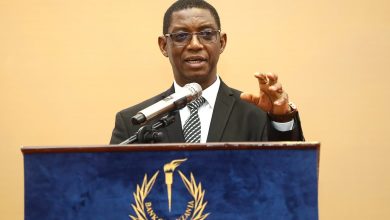
The Minister of State in the Second Vice-President’s Office (Policy, Coordination and House of Representatives), Mr Hamza Hassan Juma, later said the Joint Committee had resolved 23 of the 25 matters submitted for consideration since the mechanism was established in 2006.
The significance of this progress extends beyond the number of issues removed from the official list.
Trade barriers and the sugar breakthrough
One of the tests of cooperation has been the movement of goods, including sugar and bottled water, produced in Zanzibar into the Mainland market.
For traders and manufacturers, access to consumers across the Union is important for expanding businesses, creating employment and increasing household incomes.
The longstanding dispute over the entry of Zanzibarproduced sugar into the Mainland market was resolved at a Joint Committee meeting held in Zanzibar on April 25, 2026.
The agreement marked a significant step in addressing a matter that had affected trade relations and demonstrated the value of negotiations in settling commercial disagreements.
Taxation was another contentious area, generating complaints among Zanzibar traders and businesses operating across the Union.
In 2022, the two governments addressed several concerns, including income tax, withholding tax and the treatment of businesses operating in both territories.
The agreements clarified arrangements for Pay As You Earn (PAYE) payments to Zanzibar and withholding tax obligations for companies registered on the Mainland but maintaining branches in the Isles.
ALSO READ: Historic China-Tanzania ties inspire modern cultural, economic cooperation
The Union Government reported that amendments to relevant tax laws had been agreed upon, while Zanzibar was to continue receiving 1.75bn/- monthly in PAYE payments.
These measures sought to make tax obligations clearer and address concerns about how revenue was accounted for between the two governments. Electricity supply was another source of disagreement.
The Zanzibar Electricity Corporation (ZECO) had raised concerns about the cost of electricity purchased from the Tanzania Electric Supply Company Limited (TANESCO). Following negotiations, the two sides agreed on a proposed price per unit in 2023, according to a report published by The Citizen in April that year.
Employment, revenue and shared opportunities
The benefits of resolving Union matters also extend to employment, public finance and access to economic opportunities.
The two governments reached agreements on several issues, including Zanzibar’s participation in recruitment for public institutions, the distribution of General Budget Support and arrangements for deep-sea fishing within the Exclusive Economic Zone.
Under the agreed framework, public-service employment opportunities were to be shared at a ratio of 79:21 between Mainland Tanzania and Zanzibar, with Zanzibar involved in the recruitment process.
The framework for General Budget Support allocated Zanzibar 4.5 per cent, while allowing the Isles to receive direct donor support without necessarily seeking the Union Government’s consent, according to the Tanzania Embassy’s account of the resolutions.
Other matters resolved included the distribution of revenue collected from telephone services, revenue collected by Zanzibar’s Immigration Department and arrangements for appointing Zanzibar representatives to national institutions. Their importance goes beyond administrative procedures.
They affect employment opportunities, public-service delivery, infrastructure financing and the ability of institutions in both territories to cooperate.
Mr Juma has also cited improved Zanzibar participation in international and regional affairs, a better framework for deep-sea fishing and clarification of international loan arrangements.
Three outstanding issues
Despite the progress, the work remains incomplete. Three matters were reported as outstanding: Revenue-sharing arrangements involving Zanzibar’s former shares in the East African Currency Board and profits from the Bank of Tanzania; implementation of recommendations from the Joint Finance Commission; and motor vehicle registration arrangements between Zanzibar and Mainland Tanzania.
Their resolution will require continued technical work, agreement on financial and administrative arrangements and implementation measures acceptable to both governments.
The authorities have also recognised the importance of public education about the Union. At 62 years, its history, constitutional structure and benefits need to remain accessible to younger generations, many of whom were born long after its establishment.
As President Samia marks a year of her second term, the record of resolved Union matters provides an opportunity to assess progress through tangible outcomes rather than agreements alone.
Easier trade, clearer tax arrangements, fairer access to opportunities and reliable cooperation between public institutions are among the measures by which citizens will judge that progress.
The experience so far suggests that persistent dialogue and agreed mechanisms can help settle disputes that once complicated cooperation.
Completing the remaining matters and ensuring that existing agreements are implemented consistently will be essential to sustaining public confidence in the Union between Zanzibar and Mainland Tanzania.