UNICEF calls for greater involvement of young people in addressing climate challenges
DODOMA: THE United Nations Children’s Fund (UNICEF) has called for greater involvement of children and young people in developing and implementing solutions to address the growing impacts of climate change.
Speaking during the Local Conference of Youth on Climate Change (LCOY Tanzania) in Dodoma, UNICEF Climate Change Specialist, Dr Sixbert Mwanga, said young people should not only be viewed as among those affected by climate change, but also as important contributors to climate action.
Dr Mwanga said UNICEF recognises children and young people as a key resource in addressing climate challenges, citing their potential as innovators, producers of ideas, skilled workers and developers of technologies that can contribute to climate solutions.
He said UNICEF’s approach focuses on three key areas: protecting children and young people from the impacts of climate change, equipping them with the knowledge and skills needed to respond to climate challenges, and creating opportunities for them to participate in national and international decision-making platforms.

Dr Mwanga also said UNICEF was committed to ensuring that its programmes and operations do not contribute to environmental harm, but instead incorporate measures aimed at reducing the effects of climate change.
The conference brought together young people from different parts of Tanzania to discuss climate-related challenges and develop a National Youth Statement on Climate Change.
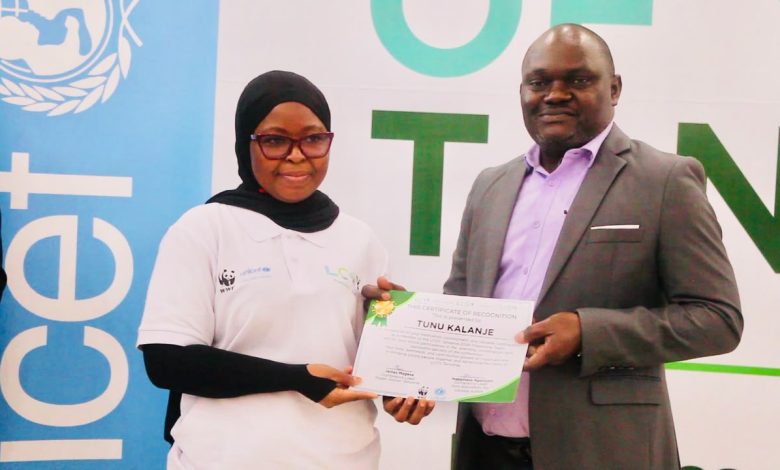
Tunu Kalanje from the Humanitarian Information Knowledge Foundation (HUDEFO), who was part of the conference’s organising committee, said the meeting had provided young people with an opportunity to discuss climate challenges and identify areas requiring stronger action.
ALSO READ: Mining reforms target safer blasting, better surveys for small-scale miners
She said young people wanted to see improved implementation of existing climate-related policies and strategies, noting that the country already has policy frameworks but faces challenges in translating them into effective action.
“We want to see greater attention given to the implementation of policies related to climate change. As young people, we do not have a problem with having good policies. Our policies are good, but implementation has been a challenge,” Kalanje said.
She also called for increased opportunities for young people to participate in international climate change meetings, saying such opportunities should be accessible to a wider range of youth.
Kalanje further proposed the establishment of a Youth Climate Change Council that would provide a platform for young people to discuss climate challenges and present recommendations to the government and other stakeholders.
Meanwhile, Agnes Petro from Sokoine University of Agriculture (SUA) said she attended the conference to learn how young people could use technology and innovation to address climate change.
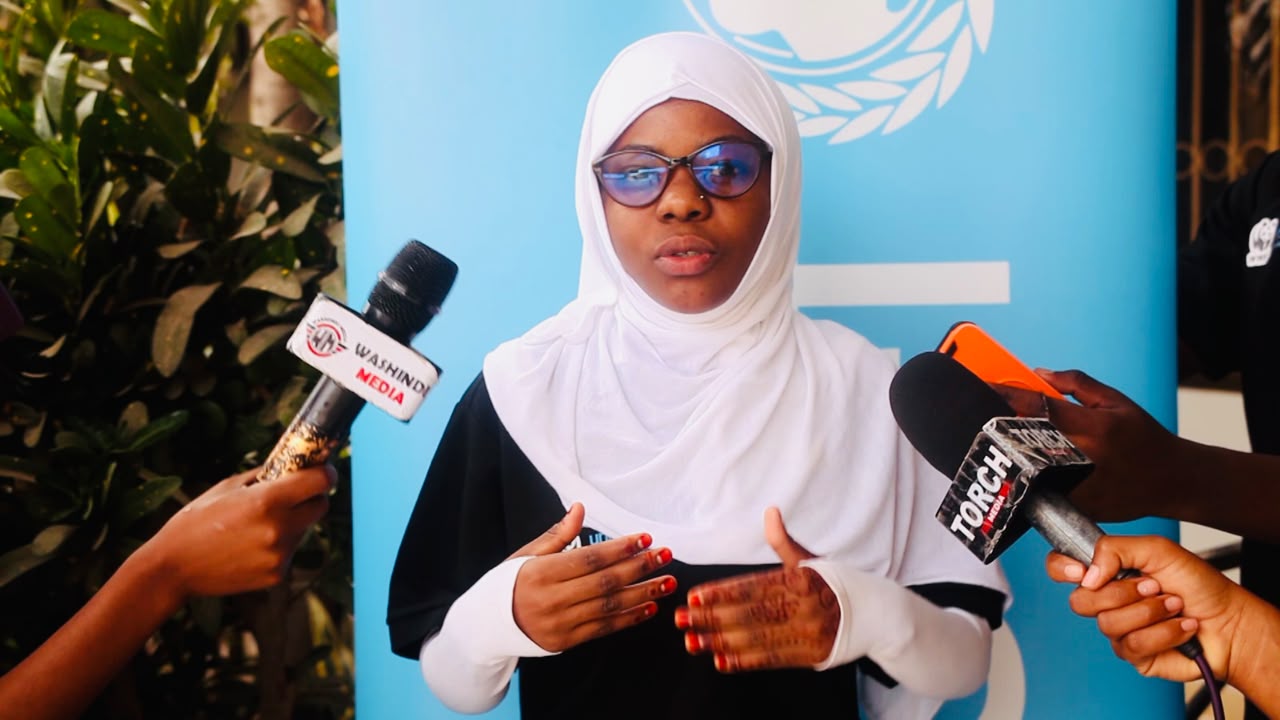
She said technology could help communities document and demonstrate the effects of climate change while supporting the development of solutions that could be applied in different areas.
“At our university, we developed a map showing the impacts of floods. I came with that experience to share with other young people so that we can discuss how technology can be used to create change in climate-related issues,” Petro said.
Emmanuel Elisha Sironga, a medical student at the University of Dodoma and participant from Save Youth Dreams Foundation, said the conference had broadened his understanding of the role of young people in policy development and decision-making on climate change.
He said discussions on artificial intelligence (AI) and its environmental implications were among the areas that attracted his attention, particularly the energy and water requirements associated with data centres.
Sironga said young people needed to continue examining how emerging technologies could be developed and used while taking environmental sustainability into account.
Hilda Sunday from Agri Youth Forum Dodoma said the conference had also helped her understand the role young people could play in advancing climate action.
She said women, children and young people were among groups affected by climate change and therefore needed to be meaningfully involved in developing solutions.
Theresia Charles from the Tanzania Girl Guide Association said women and girls should also be involved in climate policy processes because of the specific challenges they face as a result of climate change.
She said greater participation of women and girls in policymaking would help ensure that their experiences and concerns are reflected in climate plans and strategies.
Participants at LCOY Tanzania have called for stronger youth participation in the development and implementation of climate policies, as well as greater access to national and international platforms addressing climate change.
They said meaningful participation would enable young people to contribute their knowledge, technological skills, innovation and human capital towards developing practical responses to climate challenges facing Tanzania.