

UNESCO out to tackle climate change
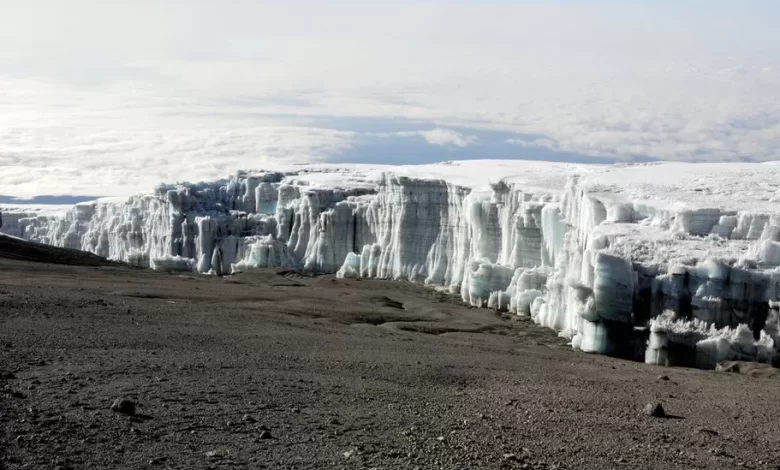
Environment conservation efforts on Mount Kilimanjaro have received a boost after youth living close to the mountain received training to take part in conservation activities.
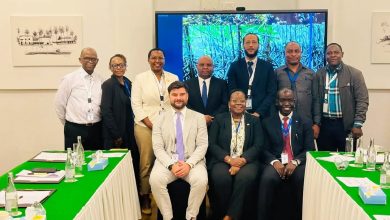
The training organized by the United Nations Educational, Scientific and Cultural Organization (UNESCO) through Tanzania National Parks (TANAPA) brought together youth groups from nine villages in the five districts surrounding the park.
UNESCO Natural Sciences National Professional Robert Kelvin said the training aimed at bringing together the young people, who are now considered UNESCO ambassadors for the fight for climate change.
“The main purpose of meeting here is to empower you as ambassadors so that you know exactly what activities you can do as the voice of this project enabling other young colleagues to be able to create projects that are environmentally friendly but also involved in the issue of environmental conservation,” he said.
He said the project has three areas of implementation that came into effect last year in August it includes conducting monitoring or research on the effects of climate change on communities and ecosystems secondly to prepare caveats to tackle climate change as well as enabling young people to create environmentally friendly economic activities.
He said the first part of the project has been implemented and the second part of preparing the strategy is to build the ambassadors’ capacity.
Opening the training, Kilimanjaro National Park Chief Assistant Commissioner Anjela Nyaki said studies have shown decreased snowfall on the summit of Mount Kilimanjaro as well as drying up of water sources is said to be driven by human activities.
“If you read the written studies on the melting of mountain snow in Kilimanjaro they show that the biggest challenge is cutting down of the trees near the reserve,” she said
Ms Nyaki urged the youths to go and be good ambassadors by convincing the elders who plead in their areas by explaining to them the impact of human activities on the reserve.
Kilimanjaro Regional Natural Resources Officer, Emanuel Kiyengi explained to the participants the responsibility of environmental protection is no longer for the elderly but for the youth.
The youth should be at the forefront in environmental activities so that their children can enjoy the fruits of conservation, he said.
The participants thanked UNESCO for seeing the importance of providing the training and that they intend to be good ambassadors for environmental protection.
Kilimanjaro National Park is considered the main source of water for electricity generation and domestic use from various sources in Kilimanjaro, Arusha and Tanga regions.



336537 963631Stay up the good paintings! 819979