UK reaffirms support for marine conservation in Tanzania
DAR ES SALAAM: THE United Kingdom government has reaffirmed its commitment to working closely with Tanzania to protect marine biodiversity and promote sustainable development along the country’s coast.
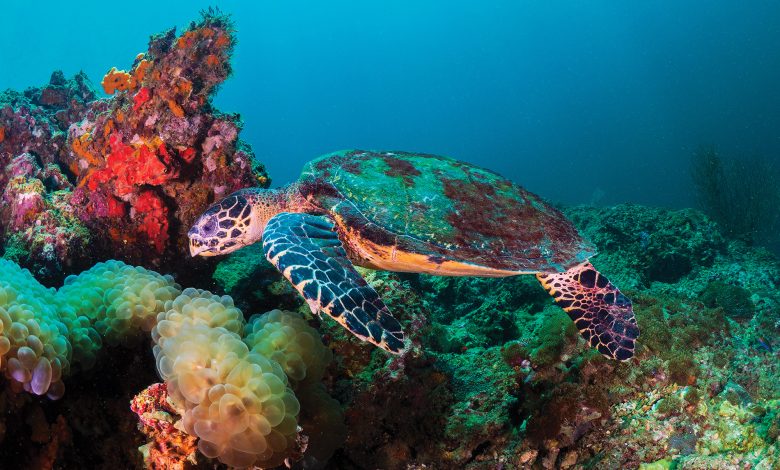
Both nations are collaborating on conservation initiatives such as sea turtle protection to preserve fragile marine ecosystems for future generations.
Speaking recently during a turtle hatchling observation event at Changani Beach in Kigamboni, the UK High Commissioner to Tanzania, Marianne Young, stressed the importance of sea turtles to marine ecosystems and the growing threats they face.
More than 80 baby sea turtles successfully hatched and made their way to the ocean as part of the event, which showcased the success of local conservation efforts.
“These turtles face many challenges. There’s increasing pollution from plastics and chemicals in the ocean, as well as rising sea temperatures,” she said.
“Urbanisation along the coastline is another major threat. Traditional nesting sites are being lost due to hotels and human activity, which affects both nesting mothers and the survival of hatchlings.”
ALSO READ: Pemba marine zones boost conservation, livelihoods
The High Commissioner underscored the UK’s continued support for Tanzania’s marine conservation efforts, including funding through the Global Fund for Coral Reefs, with a focus on preserving coastal areas and the marine environment in Zanzibar.
Beyond conservation, she noted that the UK is also supporting Tanzania’s blue economy, aiding communities such as seaweed farmers in Zanzibar and promoting sustainable tourism that benefits both the environment and local livelihoods.
“Our partnership aims to strike a balance between environmental protection and economic opportunity for coastal communities,” she said.
The High Commissioner also commended Sea Sense, a local NGO, for its dedicated work in protecting marine wildlife, especially sea turtles and engaging local communities in conservation.
Project Coordinator at Sea Sense, Lydia Mgimwa explained that sea turtles in Tanzania face serious threats, including illegal hunting, egg harvesting and habitat destruction.
“Sea Sense works directly with coastal communities to provide full-time surveillance and protection of nesting beaches,” she said.
The NGO also focuses on raising public awareness about the ecological importance of sea turtles and the health risks associated with consuming their meat. It collects data to inform national conservation strategies and guide policy.
Ms Mgimwa noted that in 2024, Tanzania launched a National Action Plan for Sea Turtle Management, providing a coordinated framework for conservation efforts.
ALSO READ: Tanzania seeks global efforts to curb marine pollution
“We’ve seen progress. Communities are now more informed and actively involved in conservation,” she said. “However, challenges persist—especially poaching and a lack of sustainable, long-term funding.”
She called on the government and development partners to intensify support for sea turtle conservation and ensure the survival of these endangered marine species.