TZ targets China export boom before 2028

DAR ES SALAAM: THE government is finalising a two-year trade strategy to capitalise on China’s zero tariff policy, aiming to boost exports of value-added agricultural products before the preferential access window expires in April 2028.
The strategy seeks to convert Beijing’s tariff preferences into binding supply contracts by expanding domestic processing capacity, modernising packaging and establishing direct businessmatching channels between Tanzanian suppliers and Chinese importers.
The policy push comes as Chinese imports from Africa surge. Chinese customs data reveals that imports from the continent rose 21.1 per cent year-on-year in May and 40.2 per cent in June, outstripping China’s overall import growth.
Total bilateral trade between China and Africa reached a record 1.41 trillion yuan (197 billion US dollars) in the first half of the year, according to China’s Ministry of Foreign Affairs.
Permanent Secretary in the Ministry of Industry and Trade Amb Waziri Salum told the `Daily News’ in an interview yesterday that Tanzanian businesses were already responding by improving production, processing, quality and packaging to meet Chinese market requirements.
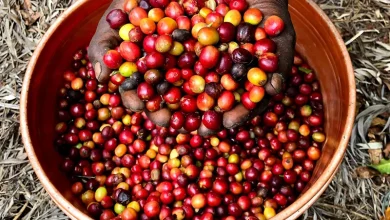
Cashew nuts, sesame and sunflower seeds, avocados, coffee, tea, dried cassava and fresh chillies are among products identified as benefiting from the opportunity.
“The major challenge now is not simply gaining access to the Chinese market, but ensuring that Tanzania has the capacity to produce quality goods in sufficient quantities to meet buyers’ demand,” Amb Salum said.
ALSO READ: TZ, China, strengthen education cooperation with technology institute
The government’s strategy will focus on investment in processing plants, modern packaging, branding and coldchain infrastructure, particularly for products requiring specialised storage.
Amb Salum said the measures were intended to address constraints including quality, standards, certificates of origin and the ability to supply goods consistently at commercial scale.
The government is also developing a business-matching system to connect Tanzanian suppliers directly with Chinese buyers, seeking to convert tariff preferences into sales contracts and higher export earnings.
Amb Salum said the government was using Business Clinics and awareness programmes to help producers understand Chinese market requirements, trade procedures, packaging and certification.
Competition from other African exporters, however, means Tanzanian businesses will need to improve quality and competitiveness to capture a larger share of the market.
The strategy therefore seeks to shift Tanzania’s exports beyond raw commodities towards processed and branded products, potentially increasing export value while creating demand for investment across agriculture, manufacturing, logistics and cold chain services.
With less than two years remaining on the policy window, the government is seeking to accelerate private-sector investment and production upgrades before the preferential access expires.