TZ pushes for more women in maritime sector
DAR ES SALAAM: TANZANIA is seeking to expand women’s participation and employment in the maritime industry by addressing barriers that limit their entry, career progression and access to leadership positions.
The move is in line with Development Vision 2050’s ambition of building an inclusive and competitive economy, with emphasis on equal opportunities, human development and sustainable use of resources.
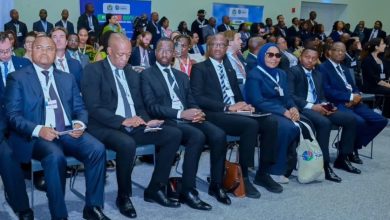
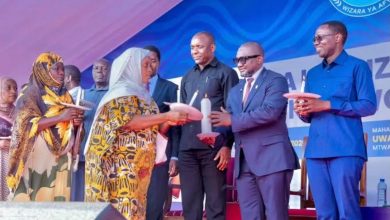
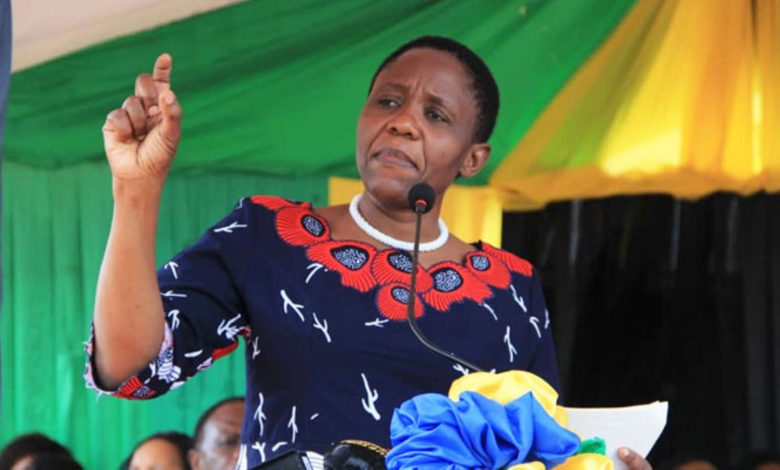
Minister for Community Development, Gender, Women and Special Groups, Dr Dorothy Gwajima, expressed the determination on Tuesday when officially opening the Regional Workshop on Gender-Disaggregated Maritime Employment Data Collection and Reporting, held alongside the Women in Maritime Association Eastern and Southern Africa (WOMESA) Annual General Meeting in Dar es Salaam.
She urged maritime stakeholders to ensure women are represented at all levels of the industry, including seafaring, marine engineering, port operations, maritime security, logistics, technology and management.
Dr Gwajima said barriers such as gender stereotypes, workplace discrimination and limited access to specialised training and professional development continue to restrict women’s participation and career advancement.
She also called on countries to strengthen systems for collecting and reporting employment data disaggregated by gender, noting that reliable statistics will help identify gaps, measure progress and guide policies aimed at increasing women’s participation.
She further stressed the need for safer and more inclusive working environments, supported by effective mechanisms to prevent sexual harassment, gender-based violence and discrimination.
The minister also encouraged women to explore business opportunities in port services, logistics, supply chains, catering, cleaning and other maritime-related services, noting that the industry offers opportunities beyond conventional seafaring careers.
ALSO READ: Invest in girls: end child marriage, Dr Gwajima tells parents heading to the Day of the Girl Child
Dr Gwajima said women’s participation in the blue economy is important to achieving Development Vision 2050, which prioritises an inclusive and competitive economy, human development and environmental sustainability.
Tanzania Shipping Agencies Corporation (TASAC) Director General, Mr Mohamed Salum, also called for reliable gender-disaggregated employment data to guide policies, address gender gaps and expand women’s participation in the maritime industry across Eastern and Southern Africa.
He said accurate data is essential in determining women’s representation across maritime professions, identifying barriers to career advancement and measuring progress towards gender equality.
Programme Lead of the International Maritime Organisation (IMO) Women in Maritime Project, Ms Helen Buni, reaffirmed the organisation’s commitment to promoting women’s participation, representation and leadership in the maritime sector.
She stressed that reliable gender-disaggregated data is essential in measuring progress and addressing existing inequalities.
Ms Buni said meaningful and lasting change requires addressing both the data gap and the gender gap, noting that the 2024 Women in Maritime Survey provides important insights into women’s representation and the challenges they continue to face across the industry.
Founding Member of WOMESA, Ms Nancy Karigithu, said the association was established in 2007 to address barriers that limited women’s participation and advancement in the maritime sector despite their competence, experience and potential.
WOMESA President, Dr Devotha Mandanda, said reliable gender-disaggregated data is essential in establishing women’s actual participation in the maritime industry, tracking their career progression and addressing barriers to their advancement.
She stressed that accurate information on women’s representation in maritime administrations, ports, shipping companies and training institutions will guide policies, strengthen planning and create equal opportunities for women to access technical, operational and leadership positions.