TZ pushes for climate justice
TURKIYE: TANZANIA is stepping up its push for climate justice at the 31st United Nations Climate Change Conference (COP31), seeking equitable access to climate financing, technology transfer and technical expertise to strengthen the country’s capacity to respond to the growing impacts of climate change.
For Tanzania, the negotiations at the conference in Antalya, Türkiye go beyond international declarations. They represent an opportunity to press for concrete support that will enable developing countries to protect their economies, safeguard livelihoods and build resilience against climate-related challenges.
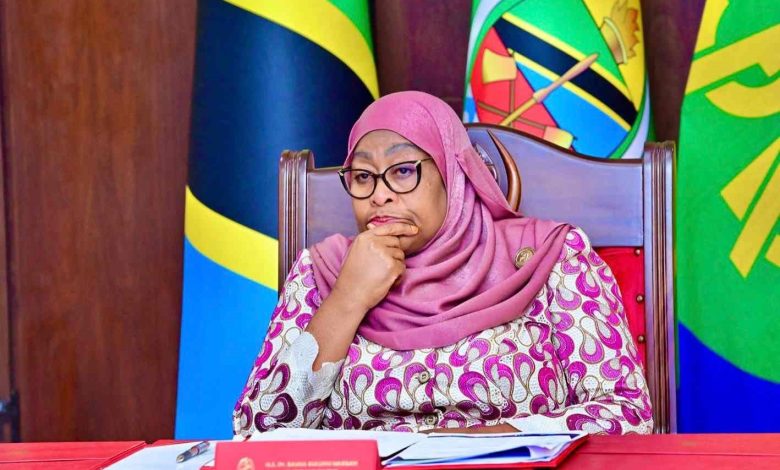
President Dr Samia Suluhu Hassan arrived in Antalya yesterday evening, to participate in the conference, where she is scheduled to attend the Antalya Leaders’ Summit, bringing together Heads of State and Government, as well as a High-Level Event on Clean Cooking in Africa.
Her participation in these engagements provides an opportunity to elevate Tanzania’s climate priorities at the highest political level, particularly the need for stronger international cooperation, accessible climate finance and practical solutions to climate change.
While in Antalya, President Samia is also scheduled to meet her Turkish counterpart, President Recep Tayyip Erdoğan, in an engagement expected to further strengthen bilateral relations between Tanzania and Türkiye.
At the centre of Tanzania’s agenda is the need to bridge the gap between international climate commitments and the actual financing, technology and expertise available to developing countries to implement climate action.
The country is pushing for greater support to strengthen local technical capacity, promote the application of science and technology and ensure that its natural resources are effectively utilised in addressing climaterelated challenges.
Preparations for the conference have already placed these concerns firmly on Tanzania’s negotiating agenda. On Monday, Minister of State in the Vice-President’s Office (Union and Environment), Engineer Hamad Yussuf Masauni, led a meeting of government leaders and experts in Antalya to review preparations and align the country’s priorities.
Eng Masauni emphasised the importance of strengthening international climate diplomacy, particularly in securing financing, building the capacity of local experts and promoting the application of science and technology in responding to climate change.
He called on development partners, international organisations and other stakeholders to support Tanzania’s efforts to access climate finance and strengthen the expertise required to implement effective climate interventions.
Permanent Secretary in the Vice-President’s Office, Dr Richard Muyungi, who led Tanzania’s delegation at the opening of the technical experts’ meeting, said the country was prepared to make its voice heard in the negotiations and push for implementation of existing commitments.
He said the delegation planned to engage development partners and international organisations to follow up on promises, particularly those relating to financing and capacity-building for local experts.
The financing question is particularly significant because developing countries continue to face the challenge of translating global climate commitments into resources and interventions that respond to their specific national circumstances.
For Tanzania, these priorities are closely connected to its long-term development ambitions under Dira 2050, which envisions a resilient, green and prosperous nation.
The country is advancing its position at COP31 under the theme: “Tanzania’s Inclusive Climate Action for Vision 2050: Building a Resilient, Green and Prosperous Nation.
” Ultimately, Tanzania’s success at COP31 will not be measured simply by its participation in high-level meetings, but by its ability to translate diplomatic engagement into stronger partnerships, accessible climate financing, technology transfer and practical interventions that deliver benefits to its people.
The challenge is to ensure that global climate commitments become meaningful national development gains.