TZ intensifies fight to eliminate Malaria by 2030
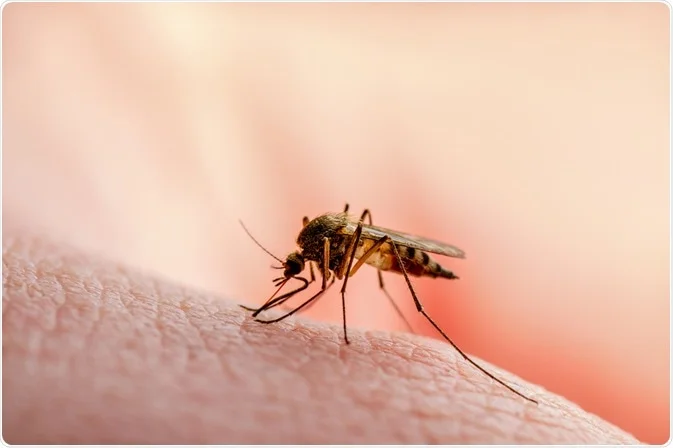
DODOMA: THE government has intensified its fight against Malaria by strengthening prevention, testing and treatment interventions, with the aim of eliminating the disease by 2030.
Deputy Minister for Health, Florence Samizi said the renewed push underscores the country’s commitment to reducing infections and deaths, particularly among the most vulnerable groups.
Dr Samizi was speaking yesterday in Dodoma while presenting an implementation report of the National Malaria Control Programme to the Parliamentary Standing Committee on Health and HIV/AIDS on behalf of the Minister for Health, Mohamed Mchengerwa.
She said children under five and pregnant women remain at the highest risk of Malaria, noting that the government continues to prioritise them in prevention and control measures.
Dr Samizi added that under President Samia Suluhu Hassan, the government is implementing a range of mosquito control interventions, including the distribution of insecticide-treated mosquito nets, indoor residual spraying and the use of biological agents to control mosquito breeding sites.
She further noted that preventive Malaria treatment is being provided to pregnant women in all 184 councils, while children aged between five and 16 years are receiving similar services in high-burden areas.
On his part, the Committee Chairperson, Johannes Lukumay commended the Ministry of Health for its efforts and commitment to eliminating the disease.
He however called for increased investment in human and financial resources to accelerate the fight against the disease, affirming that the Committee will continue to support the government in ensuring the success of key interventions, including the involvement of Members of Parliament in community service delivery.
In June this year as the world marked World Malaria Day, Director of Research, Policy and Innovation from the Ministry of Health, Mr Tumainieli Macha said that community involvement is central to the success of the new intervention.
“It is true that for this initiative to succeed, there must be close collaboration with communities. Since the research began about three years ago, we have ensured that communities are engaged, informed and given space to ask questions,” he said.
Mr Macha explained that residents in study areas have been involved in understanding mosquito behaviour, breeding sites and transmission patterns. Public education campaigns have also been conducted to explain both existing malaria interventions and emerging technologies like gene drive.
According to the World Health Organisation, Malaria remains a major global health challenge, with an estimated 249 million cases and over 600,000 deaths recorded worldwide in recent years, the majority occurring in Africa.
In Tanzania, the burden remains significant. Data shows that more than 90 per cent of the population lives in areas at risk of malaria transmission. The country recorded approximately 3.8 million confirmed cases and about 25,500 deaths in 2023 alone, highlighting the continued impact of the disease.
Further, Tanzania contributes roughly 4 per cent of global Malaria deaths and remains among a small group of countries carrying a disproportionately high share of the global burden.