TZ calls for improved infrastructure in LLDCs
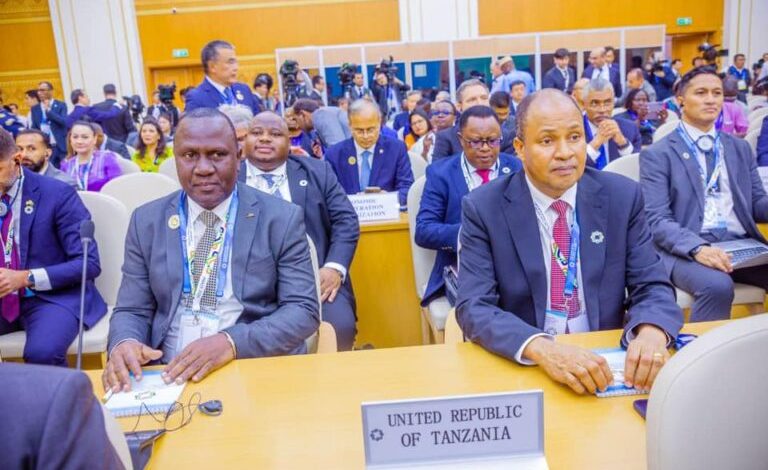
TURKMENISTAN: IN its efforts to strengthen international cooperation particularly South-South collaboration and to address the unique challenges faced by landlocked countries, Tanzania is participating in the Third United Nations Conference on Landlocked Developing Countries (LLDCs), currently taking place in Awaza, Turkmenistan.
The conference, among other things, is discussing issues related to addressing various challenges and inclusive engagements by involving governments, parliaments, youth and civil society organisations.
The delegation from Tanzania, which is led by the Permanent Secretary in the Ministry of Transport, Prof Godious Kyaharara participated in the discussion on the challenges facing landlocked countries.
Among issues that Tanzania is involved in discussion include high transportation costs, dependence on neighbouring countries to access international markets and issues related to infrastructure and freight transport.
The event has brought together Heads of State and Government, representatives from international organisations, members of private sector and other stakeholders.
Speaking at the opening session, UN Secretary-General António Guterres stressed that strong and effective international cooperation is more critical now than ever before.
The conference, organised by the United Nations in partnership with the Government of Turkmenistan, aims to assess the implementation of the Vienna Programme of Action for Landlocked Developing Countries for 2014–2024 and to establish a new inclusive development agenda for the next decade.
Mr Guterres highlighted those global challenges such as climate change, economic conflicts and weak infrastructure demand joint responses, especially for landlocked.
He encouraged inclusive collaboration among governments, the private sector, youth and civil society and called for investment in the 2024–2034 Development Programme, noting that transport diplomacy is key to unlocking trade opportunities for landlocked countries and fostering inclusive development, asserting that the progress of these countries contributes to global success.
He added that social and economic resilience can only be achieved through strategies that involve every citizen of these nations.