Tunduma handles 75pc of SADC cargo
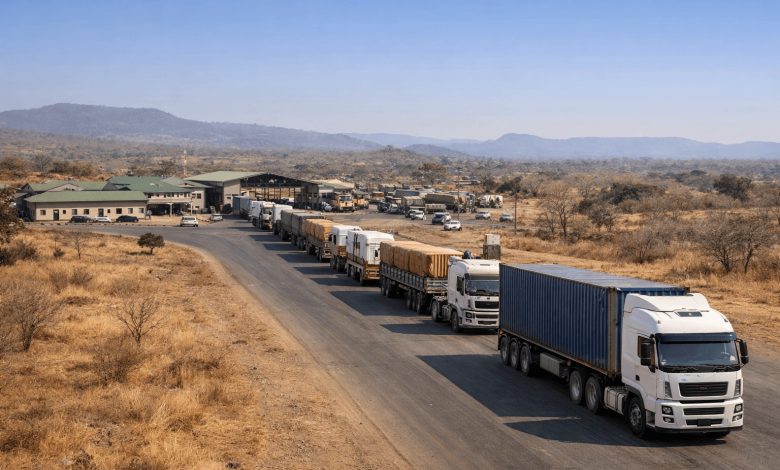
TANZANIA: SONGWE Region handles 75 per cent of cargo entering Tanzania through Dar es Salaam Port and destined for Southern African Development Community (SADC) countries.
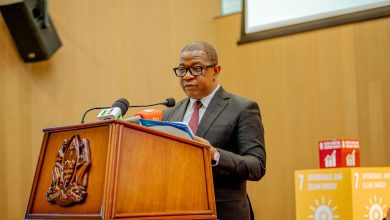
This make the Tunduma border a critical link in regional trade, Songwe Regional Commissioner, Jabir Makame said yesterday.
He said due to its strategic geographical location, the region serves as a major gateway facilitating and supporting trade between Tanzania and various Southern African Development Community (SADC) member states.
Presenting cargo growth statistics, Mr Makame said figures provided by the Minister of State in the President’s Office Planning and Investment, Professor Kitila Mkumbo, showed that 39 million tonnes of cargo had entered the country through the Port of Dar es Salaam between 2021 and the present.
“Out of those 39 million tonnes of cargo entering the country through the Dar es Salaam Port, 75 per cent passes through our Tunduma border heading to SADC countries.
Our border acts as a primary support engine for the performance of the Dar es Salaam Port,” he said.
ALSO READ: Mbamba Bay port upgrade to boost southern Tanzania trade, SADC
Mr Makame said the importance of the Tunduma border to the port was such that any interruption of cargo movement through the border for even a week would cause serious bottlenecks and congestion at the Dar es Salaam Port.
On transport infrastructure, he said the government had placed strong emphasis on improving roads connecting villages, wards and divisions to facilitate the transportation of agricultural produce to markets.
He said since the current administration took office, funding for the Tanzania Rural and Urban Roads Agency (TARURA) in Songwe had doubled, rising from less than 10bn/- in 2021 to more than 20bn/- currently.
Regarding the Tanzania-Zambia (TAZAM) highway, which carries cargo from the port of Dar es Salaam, Mr Makame said increased efficiency at the port had resulted in a surge in heavy truck traffic, making the existing narrow road inadequate to meet current demand.
He said the government had, therefore, planned to expand the highway to four or six lanes.
Mr Makame said an investor had already been secured and was conducting a feasibility study, with the project expected to be implemented under a Public-Private Partnership (PPP) arrangement.