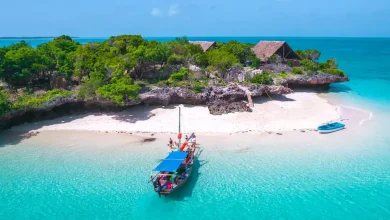
Tourism, a key pillar for Tanzania’s economic growth and jobs in 2026

DAR ES SALAAM: AS Tanzania looks ahead to 2026, tourism stands out as one of the most promising drivers of economic growth, foreign exchange earnings and employment creation.
With its unmatched natural attractions, rich cultural heritage and renewed government focus on the sector, tourism is expected to play an even bigger role in strengthening the national economy and improving livelihoods across the country.
Tourism has long been one of Tanzania’s leading economic sectors, contributing significantly to Gross Domestic Product, government revenue and employment.
From the Serengeti and Mount Kilimanjaro to Zanzibar’s beaches and the country’s diverse cultural landscapes, Tanzania possesses a competitive advantage that few destinations can rival.
In 2026, this advantage is expected to translate into higher tourist arrivals, increased spending and expanded opportunities for Tanzanians, particularly the youth. One of the most important ways tourism boosts the economy is through job creation.
ALSO READ: ’ Z’bar Maruhubi Port project signals new era
The sector is labour-intensive and supports employment across a wide value chain. Beyond tour guides, hotel staff and park rangers, tourism sustains farmers supplying food to hotels, artisans selling cultural products, transport operators, construction workers and small business owners.
As tourist numbers grow in 2026, thousands of direct and indirect jobs are expected to be created, especially in rural and conservation-adjacent areas where alternative employment opportunities are limited. Tourism also plays a vital role in earning foreign exchange.
Increased international arrivals mean more inflows of foreign currency, which help stabilise the shilling, support imports and strengthen Tanzania’s balance of payments.
In a period when global economic uncertainty remains a concern, tourism offers a relatively resilient source of revenue that can cushion the economy from external shocks.
Government and private sector investments are further enhancing the sector’s growth prospects. Improved infrastructure such as roads, airports and digital services is making tourist destinations more accessible and attractive.
Continued promotion of Tanzania in key international markets, along with diversification into niche tourism segments such as cultural tourism, sports tourism, conferences and eco-tourism, is expected to widen the country’s appeal in 2026.
Importantly, tourism growth also supports conservation and sustainable development. Revenue generated from national parks and protected areas helps fund wildlife conservation, environmental protection and community development projects. When local communities benefit directly from tourism, they are more likely to support conservation efforts, creating a positive cycle of economic and environmental sustainability.
However, for tourism to realise its full potential in 2026, challenges must be addressed. Skills development, service quality, environmental protection and fair participation of local communities remain critical.
Policymakers must ensure that growth is inclusive and sustainable, avoiding overexploitation of natural resources and ensuring that Tanzanians remain the primary beneficiaries of the sector. In 2026, tourism is expected to be more than just a source of revenue, it will be a catalyst for employment, entrepreneurship and national development.
If managed wisely, the sector can help Tanzania accelerate economic growth, reduce unemployment and position itself as a leading and sustainable tourism destination in Africa.