

Time for Tanzanian youths to stand for national stability
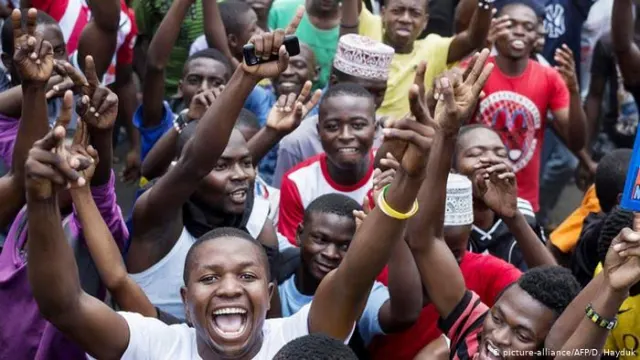
DAR ES SALAAM: TANZANIA is unarguably passing through a critical moment that demands a renewed national commitment to peace, unity and responsible citizenship.
Recent tensions and isolated incidents of unrest have exposed the fragility of national harmony and the extensive damage that can occur when destructive behaviour takes root.
The country’s longstanding stability, one of its greatest national assets, cannot be taken for granted.
It requires constant safeguarding, particularly from the youth who represent the country’s demographic majority and stand at the centre of its political and economic future.
The challenges observed during and after the 2025 General Election have demonstrated how swiftly disorder can undermine public confidence, disrupt services and threaten development gains. Damage to essential infrastructure has had immediate and far-reaching effects.
When a health facility is destroyed, the community loses access to immediate medical assistance, affecting pregnant women, children, the elderly and those with chronic illnesses.
When roads or buses are vandalised, transport networks become unreliable, farmers cannot transport produce, goods fail to reach markets and income streams collapse.
Breaches of water or electricity infrastructure cause widespread disruption, halting commercial activity, compromising sanitation and affecting learning environments.
The destruction of private property was equally devastating. Families forced from damaged homes endure trauma, financial loss and long periods of uncertainty.
Businesses that have taken years of labour and sacrifice to build can be wiped out in minutes, leaving owners in debt and employees jobless. Such events definitely destabilise communities and hinder the progress of those striving to lift themselves out of poverty.
Those affected are most often ordinary citizens, not political instigators, external agitators or individuals benefiting from social tension. Alongside physical damage, social cohesion has suffered profound strain.
Communities accustomed to peaceful coexistence have encountered new divisions driven by fear, misinformation or emotional reaction. Trust, once broken, becomes extremely difficult to rebuild.
The emotional wounds of conflict linger long after repairs are made to buildings or roads.
Experience across the world shows that the aftermath of internal conflict can persist for generations, diminishing opportunities and weakening institutions long after violence subsides.
Tanzania must avoid such a trajectory at all costs. Economic stability is also jeopardised by unrest.
The tourism sector, which contributes significantly to national GDP and provides employment for thousands, depends heavily on the country’s global reputation as a safe and peaceful destination.
Any suggestion of political instability or public disorder can deter visitors, leading to reduced revenues, declining hotel occupancy and fewer job opportunities.
ALSO READ: Why Tanzanian youths must safeguard national values
Investors similarly evaluate national stability before deciding where to allocate capital.
When instability arises, investment declines, manufacturing slows, startups lose confidence and long-term national plans face delays.
Youth employment, already a pressing national issue, becomes even more challenging to address under such conditions.
A further concern is the strain unrest places on government expenditure. Funds that could have been channelled into building schools, improving health centres, expanding infrastructure or creating youth employment programmes are instead diverted to repairing damage.
This redirection certainly slows national development, delays essential projects and disrupts long-term planning. Peace, therefore, is not simply a social aspiration; it is an economic imperative that underpins national transformation.
In the wake of the post-election unrest, national and religious leaders have expressed consistent concern over the uncalled-for riots, underscoring the urgent need to safeguard unity and preserve the nation’s dignity.
President Samia Suluhu Hassan rightly warned that unrest within a country offers no benefit and carries no worth.
Yes, such disorder produces nothing of value. It does not address political grievances, it does not improve social or economic conditions, and it does not reinforce a sense of national identity.
The President’s call on the country’s youth to resist temptations to destroy the nation’s foundations and to burn their country for political or personal gain, should remind young people of Tanzania of their duty to stand for what is good for the country.
As she put it, no wise person can cut the branch he or she is sitting on.
The incidents that followed the election underline the need for vigilance in the age of digital misinformation, where narratives can be manipulated to provoke emotional responses without regard for consequences, and young people of Tanzania, especially netizens, should beware and say no to any kind of incitement.
As Prime Minister Mwigulu Nchemba reminded regarding the collective ownership of Tanzania, young Tanzanians should understand the country does not belong to the government nor to any political party.
It as perspective, every Tanzanian should uphold and always place national identity above political rivalry and in so doing, preserve and safeguard the country’s long-term stability regardless of political season or public debate. Peace and development are inseparable.
When peace is chased away, development follows. This reality reflects decades of global evidence: sustainable progress requires a stable environment where businesses can operate, families can plan for the future and institutions can function without disruption.
The tragic truth is that in most scenarios, those responsible for incitement often remain far from danger, losing neither property nor loved ones. This pattern places the burden of chaos on innocent people who bear the brunt of damage, debt and injury.
This underscores the need for critical thinking among the youth who are often targeted by manipulative narratives promising quick change or emotional satisfaction.
Against this backdrop, the role of Tanzania’s youth has become central to the future of national stability.
As the most energetic and imaginative segment of society, the youth carry enormous potential to drive innovation, economic growth and cultural dynamism.
Their influence in shaping public discourse, particularly through digital platforms, has grown significantly.
ALSO READ: Call on Tanzanian youths to work diligently, observe discipline
This influence must be accompanied by responsibility. When youths uphold peace, critically evaluate information, reject incitement and engage constructively in civic life, national unity is strengthened.
When youths are misled into destructive behaviour, the country’s foundations are weakened.
Patriotism among young people must be understood not merely as emotional attachment but as practical conduct.
It involves protecting public property, respecting national institutions, seeking truth before reacting to information, using peaceful channels to express concerns and prioritising long-term national wellbeing.
Patriotism demands restraint where emotions run high and wisdom where impatience is tempting. It requires recognition that Tanzania’s progress depends on the stability sustained by all citizens.
The country’s founding values such as peace, unity, solidarity, patriotism, integrity, equality, justice and accountability, remain crucial in guiding this generation.
For decades, Tanzania has distinguished itself as one of Africa’s most peaceful nations, mediating regional conflicts, hosting refugees and promoting diplomacy. Preserving this legacy is not only a national responsibility but a regional one.
Instability within Tanzania would reverberate far beyond its borders. Safeguarding peace ensures that investments continue, tourism thrives, education systems grow stronger and creative industries expand.
It allows the government to devote more resources to youth empowerment, infrastructure development and technological advancement.
Peace gives families the confidence to build, farmers the assurance to harvest, and entrepreneurs the courage to innovate. Tanzania’s future rests on a bold commitment to patriotism, the protection of national values and the safeguarding of harmony.
The youth, with their energy and ambition, remain central to this national task.
Their choices will define the country’s trajectory. By resisting destructive influences, upholding stability and embracing a sense of collective responsibility, young Tanzanians can help build a future marked by prosperity, dignity and enduring unity



Epuka kujiunga au kushiriki kwenye makundi ya mtandaoni yanayochochea vurugu. Ni kosa kwa mujibu wa sharia.