Teri named DG of newly formed TISEZA

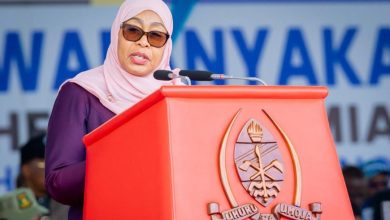
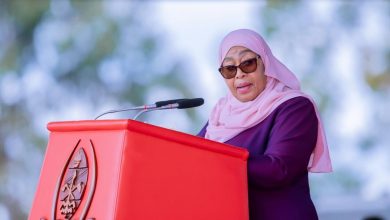
DODOMA: PRESIDENT Samia Suluhu Hassan has appointed Mr Gilead John Teri as the Director General of the newly established Tanzania Investment and Special Economic Zones Authority (TISEZA).
According to a statement released on Tuesday by the Directorate of Presidential Communications, the appointment follows the creation of the Authority under the Investment and Special Economic Zones Act No. 6 of 2025.
“Mr Gilead John Teri has been appointed as the Director General of the authority established following the enactment of the Investment and Special Economic Zones Act,” the statement read in part.
The new legislation consolidates the mandates of the former Tanzania Investment Centre (TIC) and the Export Processing Zones Authority (EPZA) into a single unified body –TISEZA.
Before this appointment, Mr Teri served as Executive Director of TIC, having been appointed in 2023 by President Samia. He previously held senior advisory roles with the European Union and the government of Denmark.
The creation of TISEZA marks a significant shift in the government’s investment strategy, aimed at streamlining services, reducing bureaucratic hurdles and improving coordination in the investment landscape.
On February 13th, this year, the National Assembly passed the Tanzania Investment and Special Economic Zones Authority Act, officially establishing TISEZA.
According to TIC’s January–March 2025 Quarterly Bulletin, the Act introduces a range of reforms intended to promote both local and foreign investment.
ALSO READ: ZRA surpasses 2024/25 tax collection target
These reforms include establishment of a land bank for investment, enabling private landowners and companies to register their parcels for easier access by potential investors and enhancement of the One Stop Facilitation Centre, ensuring digital access to services provided by multiple government ministries and agencies.
The reforms also seek to create clear criteria for obtaining strategic investment status, tied to capital thresholds and alignment with national development priorities.
Under the new framework, local investors must commit a minimum capital of 20 million US dollars, while foreign investors are required to invest at least 50 million US dollars to qualify for strategic investment status.
Presenting the Bill to the National Assembly, the Minister of State in the President’s Office (Planning and Investment), Professor Kitila Mkumbo, said the legislation introduces critical reforms to improve Tanzania’s investment climate.
“The law centralises investment facilitation. For example, manufacturing investors will benefit from streamlined procedures for licensing, land acquisition and permit issuance,” Prof Mkumbo explained.
He further noted that all investments must now be registered with TISEZA to ensure the authority has accurate data for national planning and policy formulation.
“The evaluation of public sector performance increasingly considers the role of the private sector. The government will focus on investing in strategic sectors that are less attractive to private investors, particularly capital-intensive projects with long-term social and economic benefits,” he said.
Speaking last year in Dar es Salaam, Treasury Registrar (TR) Nehemiah Mchechu stressed the importance of reforming public entities to enhance performance and eliminate duplication of roles.
He reaffirmed the Office of Treasury Registrar (OTR) commitment to phasing out non-performing institutions and consolidating overlapping mandates, stressing that public entities remain critical to economic growth, employment, service delivery and revenue generation.
“Public corporations contribute over 90 per cent of the government’s non-tax revenue,” Mr Mchechu said, adding that reforms would help align them with national development goals.