Teacher licensing to curb exam malpractice
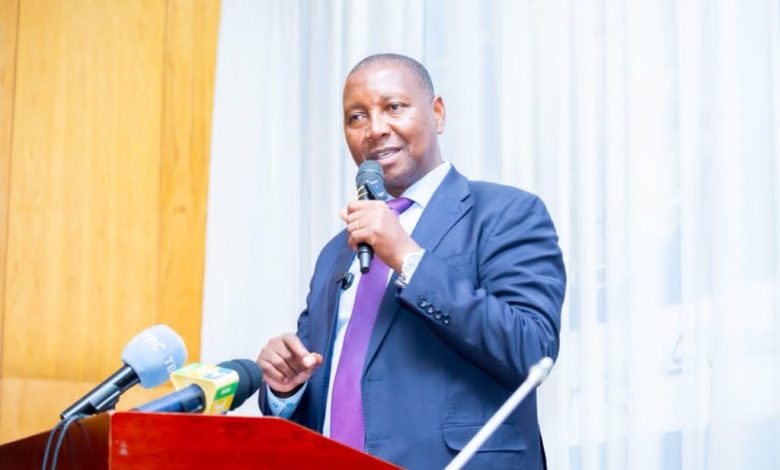
DAR ES SALAAM: THE government plans to introduce a compulsory teacher licensing framework to enforce professional accountability and eliminate examination cheating in schools, the Minister for Education, Science and Technology, Prof Adolf Mkenda, has announced.
Prof Mkenda told reporters in Dar es Salaam yesterday that the licensing system is among key measures aimed at safeguarding integrity in teaching and learning.
“As we move towards introducing teacher licensing, we are continuing to protect all teachers currently in service. In the future, every teacher will be required to have a teaching licence. Once that system is fully in place, if we establish that you have promoted examination cheating, we will revoke your licence,” he said.
“Once your licence is withdrawn, you will no longer be allowed to teach anywhere in this country.”
The minister said the government has for years implemented various measures to combat examination malpractice, including addressing emerging challenges posed by Artificial Intelligence (AI).
“I want to reiterate that we have made significant progress in preventing examination malpractice. The National Examinations Council is doing an excellent job and I would like to publicly commend the entire Council, its Executive Secretary, teachers and examination supervisors for their diligence,” he said.
Prof Mkenda reminded students that they are prohibited from carrying digital devices into examination rooms or accessing the internet during examinations.
“Therefore, if you are caught with a mobile phone, even if you have not used it, the consequences are very serious. With a phone, you can easily search for answers using various AI tools. You can ask a question, get an answer and simply write it down,” he said.
He said the government has made significant progress in preventing examination paper leaks and other forms of malpractice.
ALSO READ: Teachers, the unsung architects of patriotism
“I can honestly say that we have succeeded to a very large extent in preventing examination paper leaks and examination malpractice. We are in a very good position now, but we will continue taking further measures,” he said.
Prof Mkenda acknowledged that some of the measures adopted to curb examination cheating had been difficult but said stakeholders had remained supportive.
“I am grateful that stakeholders were patient with us because at times, when you take such actions, some people may feel that you are attacking their investment or that you do not want them to remain investors,” he said.
He stressed that the government will not tolerate anyone involved in facilitating examination cheating, including students and those who establish systems that enable examination fraud.
“We are not doing this because we are against investment of any kind. We apply the same standards even in public schools. If we discover that a teacher has been involved in facilitating examination malpractice, that teacher will lose his or her job,” he said.