TCRA to phase out mobile phone recharge scratch vouchers in efforts to accelerate digital economy
DODOMA: THE Tanzania Communication Regulatory Authority, (TCRA) plans to phase out mobile phone recharge scratch vouchers in urban areas as part of sweeping reforms aimed at accelerating Tanzania’s transition to a fully digital and cashless economy.
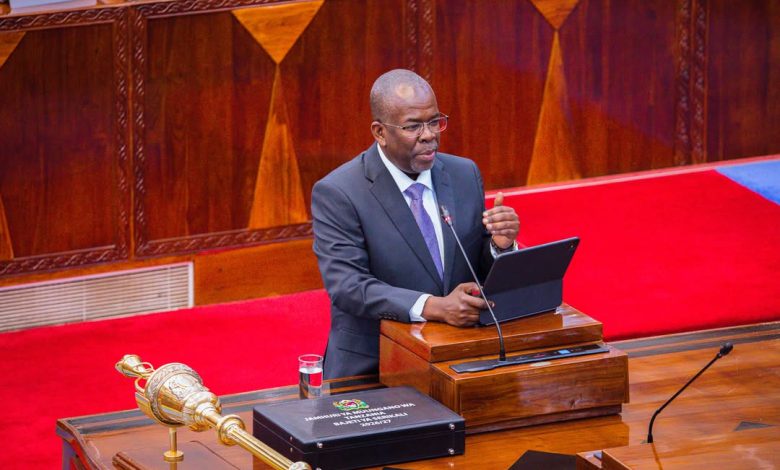
This was revealed by the Minister for Finance, Ambassador Khamis Mussa Omar when presenting the 2026/27 Budget at the Parliament in Dodoma noting that the measure will be implemented by TCRA with pilot areas guiding a nationwide rollout.
He said lessons drawn from the pilot phase will inform expansion of the initiative across the country as part of broader efforts to modernise payment systems and reduce reliance on cash transactions.
According to the Minister, the reforms are supported by rapid growth in digital financial services, with transactions processed through the Tanzania Instant Payment System (TIPS) rising significantly in recent years.
He said TIPS recorded 651 million transactions valued at 54.95 trillion shillings in 2025, compared to 453 million transactions worth 29.82 trillion shillings in 2024, reflecting increased adoption of digital payments across the economy.
Additionally, he said that the government, through the Bank of Tanzania, has strengthened TIPS by expanding services to include government payments via banks and mobile money operators, merchant payments using QR codes, and international money transfer capabilities.
“These improvements are part of a wider strategy to reduce cash usage in the economy in order to improve efficiency, strengthen revenue collection, curb money laundering, and reduce costs associated with cash handling and circulation,” he said.
ALSO READ: Beauty products face higher excise duty of up to 15%
Ambassador Omar further announced that from the 2026/27 financial year, the government will require digital payments across a wide range of sectors.
These include transport services such as Bus Rapid Transit (BRT), ferries, bridges, railways, air transport, parking services, long-distance buses and online taxi services.
Digital payments will also apply to transactions in shopping malls, fuel stations, gyms, cinemas, conference and event venues, sports arenas, motor vehicle sales, tourism services, hotels and restaurants, as well as real estate transactions.
In the education sector, all payments from pre-primary to university level will be conducted digitally, while agricultural transactions involving cooperative unions and AMCOS for strategic crops such as cashew nuts, cotton, coffee, tea, sisal and tobacco will also shift to digital platforms.
“The government has also intensified efforts to expand digital infrastructure, including wider rollout of LIPA NAMBA and QR code systems to small-scale traders such as bodaboda operators, food vendors and market vendors,” he said.
Moreover, the minister said that traders who adopt digital payment systems will be prioritised when accessing loans from government-backed financing schemes and financial institutions.
The reforms, he said, are designed to build a modern, transparent and efficient digital economy while strengthening financial inclusion and supporting long-term economic transformation.