TAWLA pushes for timely GBV justice
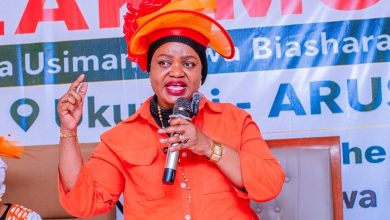
ARUSHA: TANZANIA Women Lawyers Association (TAWLA) in Arusha Region has conducted a capacity-building training for stakeholders in the criminal justice chain to strengthen efforts to combat gender-based violence (GBV) and ensure survivors receive timely justice.
The training, held over the weekend in Arusha, brought together ward executive officers, community development officers, social welfare officers, police officers from the Gender and Children’s Desk and public prosecutors.
TAWLA Arusha Regional Coordinator, Neema Ahmed, said the training aimed to enhance participants’ understanding of their roles and responsibilities in handling GBV cases, from the reporting stage through to court proceedings.
She said the training also provided a platform for stakeholders to share experiences and discuss challenges that hinder survivors’ access to justice.
“We have been sharing experiences and discussing obstacles that delay justice for survivors of gender-based violence,” she said.
“We are also strengthening collaboration among stakeholders to improve the effectiveness of handling such cases.”
She identified several factors that hinder the successful prosecution of GBV cases, including lack of community cooperation, survivors relocating from their areas of residence, and the practice of resolving cases outside the formal justice system.
She explained that such practices often lead to loss of evidence or discourage survivors from pursuing justice to its conclusion.
Speaking during the training, Olorien Ward Executive Officer, Charles Sikoi said the programme had enhanced participants’ understanding of how to better support women and children affected by violence.
He stressed the need for continued public education on the harmful effects of cultural norms and practices that often discourage survivors from reporting incidents or providing evidence against perpetrators.
“The community must understand that the law protects those who report violence. Reporting abuse is not an act of betrayal; it is a step towards preventing wrongdoing and safeguarding society,” he said.
Meanwhile, the Head of the Gender and Children’s desk in Arumeru District, Inspector Salama Ally explained the importance of collaboration among police and other criminal justice stakeholders in ensuring survivors receive the justice they deserve.
She said the training had strengthened communication and cooperation among institutions responsible for addressing gender-based violence.
Participants agreed that increasing public awareness, strengthening institutional collaboration and encouraging survivors to report incidents promptly are among the key measures needed to reduce and ultimately eliminate gender-based violence in Tanzania.