TAWA pursues studies on ancient fossils in Ngorongoro
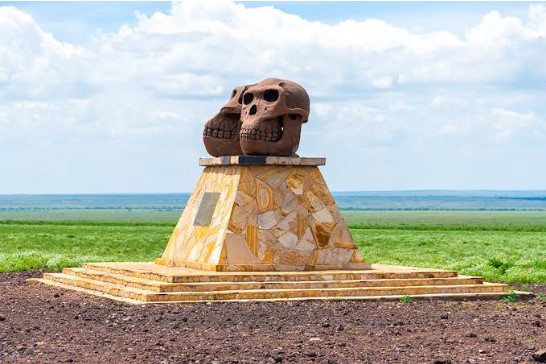
ARUSHA: THE Tanzania Wildlife Management Authority (TAWA) has called for scientific research at a site in Pinyinyi Ward, Ngorongoro District, where numerous animal and possible ancient human bones have been discovered.
TAWA Senior Conservator, Mr John Sulle said in Arusha yesterday during a two-day Lake Natron conservation campaign workshop that the site, located in Engaresero Division, contains unique geological formations and scattered fossils that have not been extensively studied, despite their potential historical significance.
The workshop was organised by Nature Tanzania, a non-governmental organisation (NGO) involved in biodiversity conservation.
He explained that some parts of the landscape have remained intact while surrounding areas have been eroded over time, creating unusual formations believed to be associated with ancient volcanic activity and prolonged erosion processes.
“We have discovered many bones in the area, but more research is needed. We are calling on researchers to conduct scientific studies to determine their age and whether they belong to prehistoric humans or animals,” Mr Sulle said.
He said scientific investigations would help establish the origin, age and historical value of the fossils while supporting conservation efforts and enhancing the area’s potential as a heritage and tourism attraction.
ALSO READ: DIPLOMATIC BENCH: How Tanzania, Mozambique can build Africa’s next growth corridor
Meanwhile, TAWA Commanding Officer, Mr Prosper Kihunrwa, said the authority has completed construction of the Engaresero Airstrip in Ngorongoro District, a development expected to improve access to Lake Natron and promote tourism in the area.
Mr Kihunrwa said construction of the airstrip started in May 2025 and was completed in June this year before being certified by the Tanzania Airports Authority (TAA) after meeting required aviation safety standards.
“The airstrip is complete and ready for operations. Tour operators and companies bringing visitors to Tanzania have already been informed that it is available for use,” he said.
The facility has a 1.2-kilometre runway, measuring 23 metres wide, and is surrounded by a chain-link fence to prevent wildlife and livestock from accessing the runway.
Mr Kihunrwa said the project was designed to ease travel challenges, particularly for elderly tourists and visitors with limited time, who previously spent several hours travelling by road from Arusha to Lake Natron.
“With the airstrip operational, that challenge has been reduced, making the destination more accessible to visitors,” he said.
Nature Tanzania Executive Director, Mr Emmanuel Mgimwasa, said the workshop brought together local communities, researchers, government officials, NGOs and development partners to discuss achievements, challenges and opportunities for sustainable development around Lake Natron.
He said the meeting aimed to review progress made in conservation efforts and identify ways of ensuring communities continue benefiting from the area’s natural resources.
Nature Tanzania Chairperson, Mr Lota Melamari, stressed the need for stronger collaboration between the government, communities, traditional leaders and other stakeholders to conserve Lake Natron, which has been designated by UNESCO as a World Heritage Site.
Magadini Village Chairperson, Mr Joshua Mollel, said the conference provided an important platform for discussing conservation strategies while creating sustainable economic opportunities for communities through tourism, livestock keeping and other livelihoods.