Tanzania’s pastoral communities advised to embrace ICT in preserving their cultural heritage
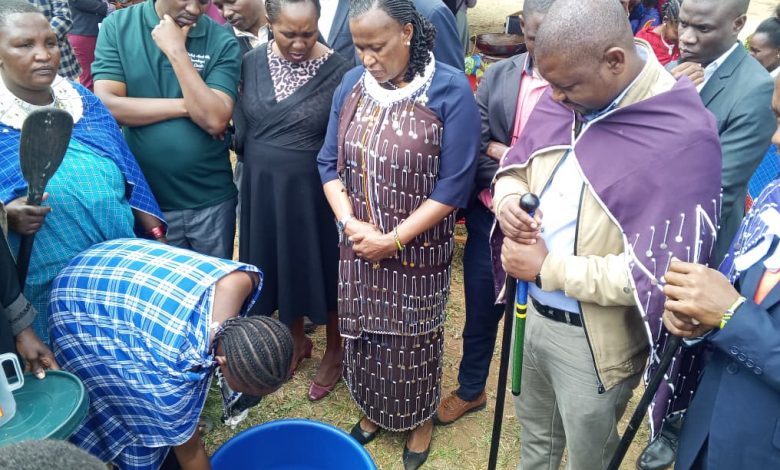
LONGIDO: THE Registrar of Societies and Non-Governmental Organizations in Tanzania, Emmanuel Kihampa, has urged pastoral communities across the country to embrace Information and Communication Technology (ICT) as a tool for preserving their history, culture, and indigenous knowledge for present and future generations.
Kihampa made the remarks during a visit to child and youth development centers supported by Compassion International Tanzania in Longido District.
He said ICT can play a vital role in safeguarding the heritage of different communities in a secure and sustainable manner, emphasizing that technology does not threaten traditions and customs but rather provides an effective means of preserving and documenting them for future generations.
“It is important to use ICT to preserve the history of our communities. Technology is not an enemy of culture and traditions; instead, it is a tool that helps protect and preserve them for the benefit of current and future generations,” Kihampa said.
Speaking during the visit, Compassion International Tanzania Country Director, Mary Lema, called on communities, religious leaders, and the government to strengthen collaboration in efforts to release children from poverty through education, healthcare, nutrition, and spiritual development.
“This ministry has been running for more than 25 years, and we have witnessed significant achievements among children and young people who have benefited from it. We appeal for greater cooperation to ensure children receive protection at home, in school, and within the wider community,” said Lema.
Earlier, Namanga Cluster Pastors’ Secretary, Ndewawio Sikawa, presenting a report on the Child and Youth Development Center at Longido Baptist Church, said the center was established in 2003 and has since served a total of 497 children and young people.
He noted that 240 beneficiaries are currently enrolled in the program, including 113 boys and 123 girls participating in child and youth development activities.
In addition, 64 children are supported through the Survival Program for Mothers and Children, with 15 of them receiving assistance from the prenatal stage.
According to Sikawa, the education component of the program currently supports two university students, nine students in colleges, 10 in vocational training institutions, 32 secondary school students, 54 primary school pupils, and 68 children in early childhood education.
ALSO READ: Maasai cultural tourism: Discovering Tanzania’s living heritage
He further revealed that the center spends more than 14m/- per month on services for children and youth, amounting to over 168m/- annually.