Tanzania’s digital transformation takes centre stage at Africa Blockchain Festival 2026
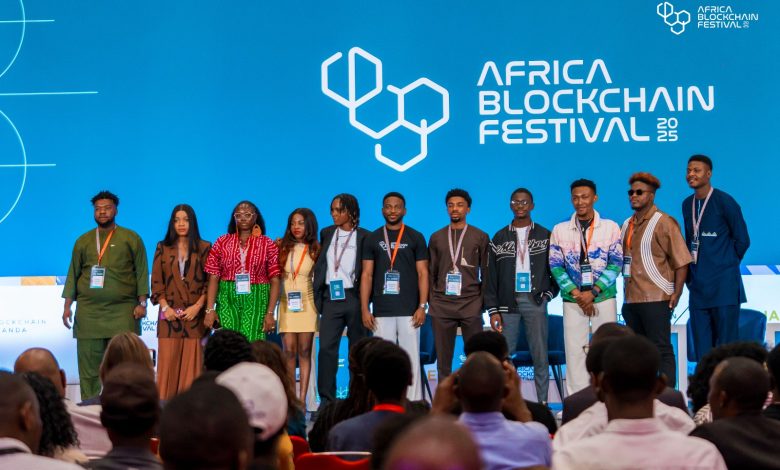
DAR ES SALAAM: Tanzania’s growing focus on artificial intelligence (AI), blockchain and digital transformation will feature prominently at the Africa Blockchain Festival 2026, with Dr Nkundwe Moses Mwasaga, Director General of the Information and Communication Technologies Commission (ICTC), expected to attend the event in Nairobi, Kenya.
The festival will take place from October 15 to 17 at the Sarit Expo Centre and is expected to bring together more than 3,000 policymakers, investors, technology companies, developers, entrepreneurs and financial institutions from across Africa and international markets. Dr Mwasaga leads the ICT Commission, which plays a key role in supporting Tanzania’s digital transformation, ICT innovation, technology skills development and emerging technology ecosystem.
His participation comes as the government continues to place digital transformation among its priorities for the 2026/27 financial year, including the use of AI, Big Data and blockchain to improve government systems, revenue collection and the wider digital economy.
Tanzania has also published a National ICT Infrastructure Development Plan for 2026–2036, alongside its longer-term Digital Economy Strategic Framework.
Africa Blockchain Festival Founder and Convener Olubunmi Fabanwo said Tanzania was moving beyond discussions on digital transformation to focus on the infrastructure, skills and emerging technologies needed to build a modern digital economy, adding that the country had an important role to play in shaping Africa’s technology future.
The ICT Commission identifies AI, Big Data Analytics, blockchain, cloud computing and cybersecurity among emerging technology areas requiring continued development of specialist digital skills. Fabanwo said the growing convergence of these technologies made regional cooperation increasingly important.
“Blockchain cannot be looked at separately from AI, data, cybersecurity, digital identity and payments anymore,” he said, adding that Tanzania had an opportunity to develop local skills and companies around this convergence rather than relying entirely on solutions developed elsewhere.
Developments are also taking place within Tanzania’s financial sector, where the Bank of Tanzania is examining emerging technologies linked to the evolution of the country’s payment systems. The National Payment Systems Annual Report 2025, published in 2026, identifies virtual assets, Central Bank Digital Currencies, supervisory technologies and digital public infrastructure among areas under consideration.
The Bank maintains a cautious position on cryptocurrencies, which are not recognised as legal tender in Tanzania, citing concerns including consumer protection, financial integrity, volatility and cyber risks, while recognising the potential applications of distributed ledger technology in financial infrastructure.
Earlier research by the National Cryptocurrency Technical Committee also highlighted growing public awareness and participation in cryptocurrency-related activities.
Stablecoins and blockchain-based cross-border payments are expected to be among the major issues discussed at the festival. Minisend, the Official Payment Partner of Africa Blockchain Festival 2026, is developing a cross-chain settlement layer designed to enable individuals and businesses to receive stablecoins such as USDC and USDT across supported blockchain networks and connect them with familiar financial channels.
The development reflects a broader shift in Africa’s blockchain sector towards practical applications in payments, remittances, merchant transactions and cross-border settlement. Fabanwo said Tanzania’s established use of mobile and digital financial services made the country an important participant in discussions on the future of African payments and digital finance.
Tanzania has also established mechanisms for emerging financial technologies to be tested within a regulated environment through the Bank of Tanzania Fintech Regulatory Sandbox Regulations 2024. The framework provides for the testing of innovative financial products and services under regulatory supervision.
Combined with the country’s digital economy strategy, ICT infrastructure investments and emerging AI agenda, the developments could create opportunities for Tanzanian startups and developers in fintech, artificial intelligence, blockchain, cybersecurity, cloud infrastructure, data analytics and digital public services.
The festival will be organised around three themes — Capital, Code and Continuity — with programmes covering investment, regulation, financial infrastructure, workshops, startup pitches, smart contract demonstrations and hackathons.
Fabanwo said Dr Mwasaga’s expected participation underlined the importance of ensuring that technology leaders from across Africa contribute to discussions shaping the continent’s digital economy.
The festival has confirmed Inkryptus as Title Sponsor, alongside participation from VALR, Nairobi International Financial Centre, ADI Foundation, MEXC, Minisend and Passpoint. As blockchain, AI and financial technology increasingly converge, discussions at Africa Blockchain Festival 2026 are expected to extend beyond cryptocurrency to issues involving future payment systems, digital businesses, technology companies and public infrastructure in East Africa.
The festival will be held from October 15 to 17 at the Sarit Expo Centre in Nairobi, with registration, sponsorship opportunities and partnership applications open.