

Tanzanian coffee farmers benefit as HRNS unveils new global leadership team
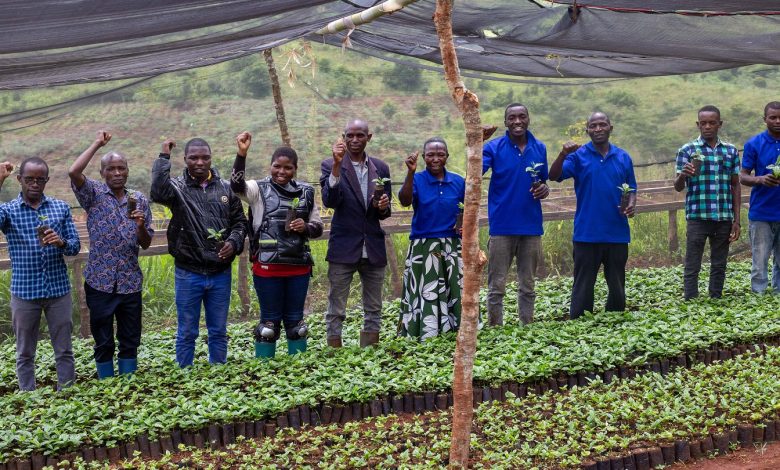
DAR ES SALAAM: Thousands of smallholder coffee farming families across Tanzania are expected to continue benefiting from long-standing agricultural and community development programmes following a leadership transition at the Hanns R. Neumann Stiftung (HRNS), one of the world’s leading foundations dedicated to sustainable coffee farming.
The foundation, which has worked for years with farming communities to improve coffee production, increase household incomes, promote environmental conservation and expand opportunities for young people, has announced a new leadership structure that marks the next phase of its global operations.
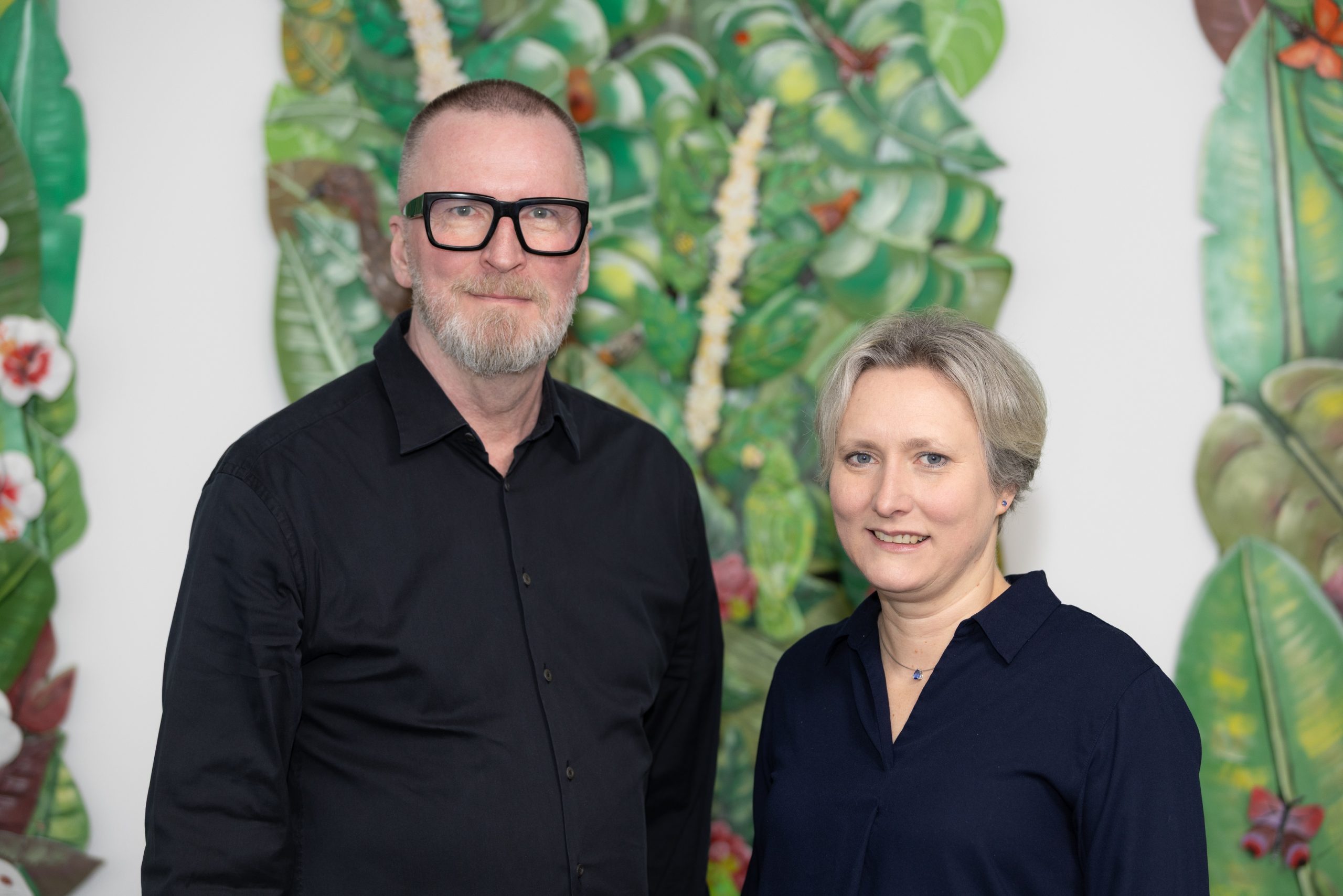
Dr Karen Hadem will join Jens Sorgenfrei as Managing Director, succeeding Michael Opitz, who is stepping down after leading the organisation for more than two decades. The transition follows a carefully planned succession process designed to ensure continuity while positioning the foundation for future growth.
For Tanzania, the leadership change comes as HRNS continues strengthening partnerships with local stakeholders and building on achievements made in coffee production, income generation, biodiversity conservation and youth empowerment. The foundation has become a key partner in supporting rural communities by promoting sustainable farming practices that improve both livelihoods and environmental resilience.
HRNS Tanzania Country Manager Morgan Mkonyi described the transition as an important milestone that will help sustain the organisation’s impact across coffee-growing communities.
“We warmly welcome this new chapter in the leadership of Hanns R. Neumann Stiftung. Under Michael Opitz’s leadership, HRNS has grown into a globally respected organisation that has transformed the lives of thousands of smallholder farming families, including many across Tanzania. We look forward to working with Dr. Karen Hadem and Jens Sorgenfrei as they build on this strong foundation, strengthen partnerships and continue delivering sustainable impact for farming communities,” Mkonyi said.
The leadership transition builds on a legacy established by Opitz, who played a central role in developing HRNS even before it was formally founded in 2005. During his tenure, the organisation evolved from a collection of projects focused primarily on improving coffee production and processing into an international development foundation working to strengthen rural communities across coffee-producing regions.
Today, HRNS operates in seven countries across the Global South, including Tanzania, supporting smallholder farming families through programmes that promote sustainable agriculture, environmental protection and economic resilience.
Coffee remains the foundation’s primary focus because it is the main source of income for millions of smallholder farmers worldwide. Recognising that agricultural productivity depends on healthy ecosystems and resilient communities, HRNS has expanded its work beyond coffee production to include biodiversity conservation, natural resource management and youth development.
Its integrated approach reflects the growing understanding that improving rural livelihoods requires more than increasing crop yields. Long-term progress also depends on protecting natural resources, supporting community development and creating opportunities that encourage young people to participate in sustainable agriculture.
In Tanzania, these efforts have contributed to stronger farming practices, improved household incomes and greater awareness of environmental stewardship in coffee-growing communities. The foundation’s programmes have also emphasised collaboration with local partners to ensure that development initiatives respond to community needs while remaining sustainable over the long term.
Reflecting on his years leading the organisation, outgoing Managing Director Michael Opitz described HRNS’s achievements as the result of collective effort involving staff, partners and the foundation’s governing bodies.
“It has been a great privilege to build Hanns R. Neumann Stiftung together with a visionary founder, an exceptional team and strong partners around the world. It has always been a collective achievement, driven by the commitment of our staff, our local partners and the active support of the Board of Trustees,” he said.
As HRNS enters a new phase, continuity is expected to remain a defining feature of its leadership. Jens Sorgenfrei, who has served on the foundation’s leadership team for many years, brings extensive institutional knowledge and experience that will help maintain the organisation’s strategic direction.
Joining him is Dr. Karen Hadem, whose background in international development cooperation and global philanthropy is expected to strengthen HRNS’s long-term development agenda. Together, they will oversee programmes aimed at supporting smallholder farming families while expanding partnerships and enhancing the foundation’s impact across the countries where it operates, including Tanzania.
Dr. Hadem said the work undertaken during Opitz’s tenure provides a strong platform for the organisation’s future development.
“Michael Opitz has built and shaped Hanns R. Neumann Stiftung with clarity, integrity and impact. This provides an excellent foundation. I look forward to working with Jens Sorgenfrei, our international team and our partners to further develop the foundation’s work and sustainably strengthen its impact for young people and smallholder farming families,” she said.
The transition has also received recognition from the foundation’s founder, Michael R. Neumann, who acknowledged Opitz’s contribution to building and expanding HRNS over the past two decades.
“Michael Opitz has built Hanns R. Neumann Stiftung from the very beginning with extraordinary dedication and has played a decisive role in shaping its programmes. For this, he has my sincere gratitude,” Neumann said.
Neumann added that appointing Dr. Hadem alongside Sorgenfrei combines leadership continuity with new perspectives at a time when collaborative and impact-driven approaches are becoming increasingly important in international development.
The succession reflects HRNS’s commitment to maintaining stable leadership while adapting to emerging challenges facing rural communities, including climate change, biodiversity loss and the need to improve economic opportunities for younger generations in agricultural areas.
With an endowment of approximately €150 million, the foundation remains well positioned to continue supporting long-term programmes that improve livelihoods, strengthen sustainable agricultural systems and protect the natural environment in coffee-growing communities around the world.
For Tanzania, where coffee remains an important cash crop supporting thousands of rural households, HRNS’s continued investment provides reassurance that ongoing initiatives will remain focused on improving production, increasing incomes and strengthening community resilience.
As the organisation enters its next chapter, its core mission remains unchanged: empowering smallholder farming families to build sustainable futures through responsible coffee production, environmental conservation and inclusive rural development.
The leadership transition is therefore expected to provide both continuity and renewed momentum for programmes that have become an important part of Tanzania’s coffee sector, ensuring that farming communities continue receiving long-term support while adapting to the changing demands of sustainable agriculture and rural development.


References:
Legiano Online Casino http://forum.darnet.ru
References:
Legiano Casino Codes https://aktsh.ru/go.php?url=https://ancientroman.space/wiki/Official_Casino_Site
I was looking for this. Really refreshing take on the information. Thanks a lot.
References:
Monro Casino Promo Code ohne Einzahlung illustrators.ru
References:
Lollybet Aktionscode http://cse.google.com.vc/url?q=https://board-en.darkorbit.com/proxy.php?link=https://blackcoin.co/list-of-casinos-in-brisbane/
References:
Lollybet Gutscheincode http://images.google.sh
References:
Lollybet Casino Auszahlung http://images.google.dz/url?q=https://gaiaathome.eu/gaiaathome/show_user.php?userid=2022901
References:
Lollybet Casino Blackjack http://clients1.google.com.mt/url?q=https://aw.ofertasluan.com.br/hiramwink40104
References:
Lollybet Casino Einzahlung https://toolbarqueries.google.vg/
References:
Lollybet Alternative 89.pexeburay.com
References:
Lollybet Mirror Link images.google.cat
References:
Lollybet Casino 10 Euro Bonus http://image.google.bf/url?sa=t&source=web&rct=j&url=https://dilimspunjabverify.online/madelainewater
References:
Lollybet Casino 10 Euro Bonus http://www.google.com.lb/url?q=https://gabung.link/dkgaiden581094
References:
Candy96 betting https://elclasificadomx.com/author/ticketclimb55
References:
777 Casino Erfahrungen https://code.a100-cn.com:8081/karissabarracl?tab=repositories&sort=reversealphabetically
References:
N1 Casino Bewertung http://images.google.si/url?sa=t&url=https://imgo.cc/ronniegleason
References:
Revolution Casino App http://seafishzone.com/home.php?mod=space&uid=2890088
References:
Winningz Casino Bonus https://trac.cslab.ece.ntua.gr/search?q=http://toolbarqueries.google.nl/url?q=https://instantcasinodeutschland.de/