Tanzanian affirms readiness to attract capital through Halal Investment
DAR ES SALAAM: THE Tanzanian government has reaffirmed its commitment to creating a favourable investment environment to attract domestic and foreign capital through Islamic-compliant investment, commonly known as Halal Investment, as part of efforts to diversify funding sources for development projects.
The investment model is seen as an additional opportunity to mobilise financing for major strategic projects, including infrastructure, water and energy, while widening access to capital across various sectors of the economy.
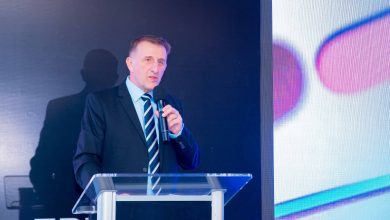
Speaking during the launch of the Halal Investment Summit, Deputy Minister for Finance Mashamu Munde said that while the government continues to strengthen domestic revenue collection to finance development programmes, there is also a need to explore alternative sources of capital from both local and international markets.
“Investment based on Islamic principles can serve as an additional source of capital. The government is therefore creating an enabling environment for individuals and institutions to understand and benefit from opportunities available under this financial system,” he said.
Mr Munde said public awareness of Halal Investment remains relatively low, making education and awareness campaigns particularly important for young people and entrepreneurs who could benefit from the emerging opportunities.
He said the government had given relevant institutions, including Fiska and Shirika, an opportunity to participate in educating the public on Islamic-compliant investment models and how they can be used to mobilise financing for various economic activities.
He also stressed the importance of collaboration among Islamic scholars, financial experts and investment stakeholders in exchanging knowledge and addressing challenges that could affect the development of the sector.
“When we talk about major infrastructure, water and energy projects, we need different sources of capital. Halal Investment is another opportunity which, if developed, can contribute to the implementation of the government’s development plans,” he said.
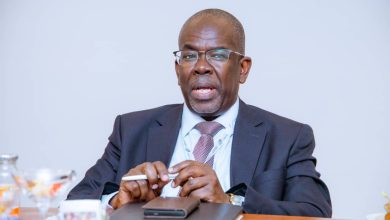
Meanwhile, Shirika Asset Management Chief Executive Officer Salimu Hawadh said the summit was organised to increase understanding of Islamic financial systems, particularly investment opportunities guided by Islamic principles.
He explained that Islamic finance covers several areas, including Islamic banking, Islamic insurance and Islamic investment, with the summit placing particular emphasis on the investment component.
Mr Hawadh said the meeting had two main objectives, including bringing together financial and investment stakeholders to discuss opportunities, challenges and strategies for developing Islamic-compliant investment in Tanzania.
Participants include representatives from banks, investment and consultancy firms, as well as financial sector regulatory institutions such as the Capital Markets and Securities Authority (CMSA), Dar es Salaam Stock Exchange (DSE) and the Bank of Tanzania (BoT).
The summit has also brought together Islamic scholars and Sharia experts responsible for providing guidance on the principles and requirements that should be observed when delivering Islamic financial services.
Mr Hawadh said another objective was to expand public awareness through Shirika’s Mtani campaign, launched this year to reach communities in different parts of the country with information on opportunities available through Islamic financial services.
He added that the summit forms part of wider public education initiatives conducted throughout the year, with plans for next year focusing on engaging stakeholders from neighbouring countries to learn from their experiences in developing Islamic-compliant investment.
Such regional cooperation, he said, would broaden discussions, strengthen understanding of Halal Investment and help identify opportunities that could contribute to the growth of Tanzania’s financial sector and the wider economy.