Tanzania, Zambia agree to strengthen international border
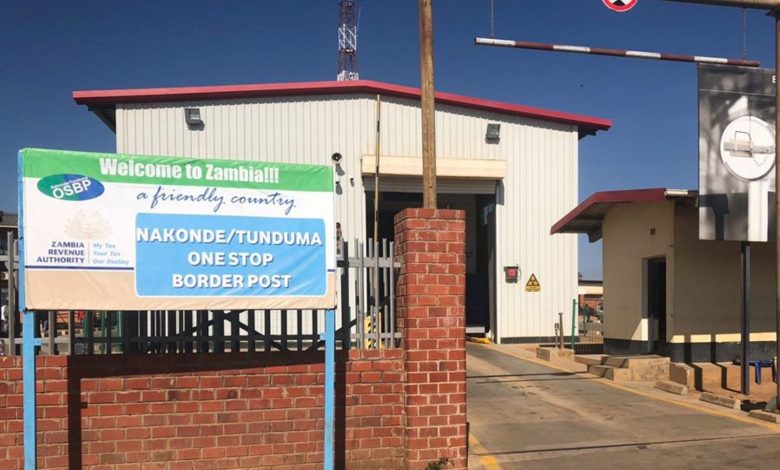
SONGWE: TANZANIA and Zambia have signed an agreement to strengthen the international border between the two Southern African Development Community (SADC) member countries.
The agreement was reached following the conclusion of a five-day Joint Technical Committee (JTC) meeting between the two sides, held in Tunduma, Songwe Region.
The agreement was signed by the head of the Tanzanian delegation, Mr Hamdouny Mansour, Director of Survey and Mapping at the Ministry of Lands, Housing and Human Settlements Development and Mr Kelvin Chibangula, who signed on behalf of the Zambian government.
Speaking after the signing, Mr Mansour assured the Zambian delegation that Tanzania is fully committed to implementing everything agreed upon.
“During the five-day meeting, our experts worked collaboratively to propose ideas, prepare a budget and formulate resolutions for the plan to strengthen the international border between our two countries,” he said.
Assistant Chief Surveyor and head of the Zambian technical team, Mr Kelvin Chibangula said that the meeting reflected strong diplomatic cooperation and good neighbourliness between Dodoma and Lusaka.
“This meeting is a sign of good neighbourliness and solid diplomatic collaboration between Tanzania and Zambia,” he stated.
During the JTC meeting, the members had the opportunity to visit the Tanzania-Zambia border, starting from boundary marker No B588 (located at Mount Nankugulu in Ileje District), which marks the junction of Tanzania, Zambia and Malawi.
The Tanzania-Zambia international border stretches approximately 345 kilometres, of which 100 km is on an island, 189 km follows the Kalambo River and 56 km runs along Lake Tanganyika.
The purpose of visiting these areas was to enable the JTC to draft a budget and action plan for strengthening the international boundary between the two countries.
The border-strengthening exercise is part of the African Union’s directive that all borders between African countries be clearly defined and reinforced by 2027.