Tanzania takes a leaf from Durban Port’s services, being among the best container handlers
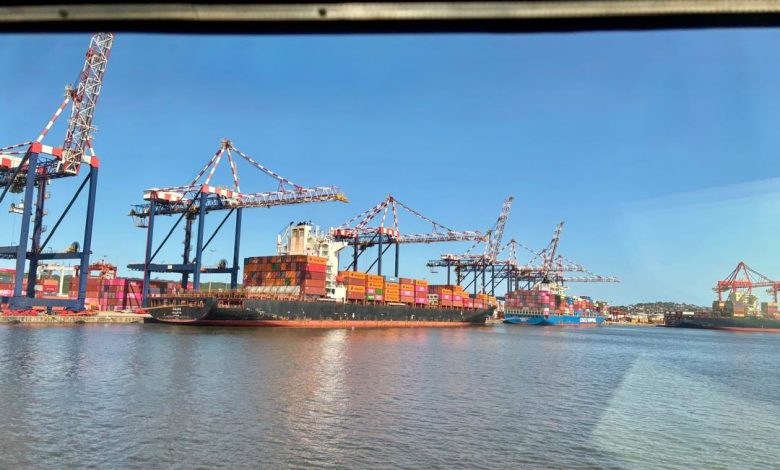
DURBAN: THE Tanzanian Transport Deputy Minister, David Kihenzile, has visited the Port of Durban to assess its operations and observe major infrastructure investments at one of Africa’s leading container ports.
The Port of Durban has 58 berths handling various types of cargo, including containers, vehicles, break bulk, dry bulk, and passengers. Annually, the port handles approximately 2.6 million TEUs of containerized cargo, 13 million tonnes of dry bulk, 4.6 million tonnes of break bulk, 560,000 vehicles, and about 22 million kilolitres of liquid bulk.
Speaking after the visit on March 20, 2026, Minister Kihenzile expressed satisfaction with the scale of investment in port and rail infrastructure, noting that collaboration between the public and private sectors has significantly improved operational efficiency.

He cited a 25-year concession agreement between the port and ICTSI, which began in January 2026 for the operation of Pier 2. The agreement aims to double container handling capacity (TEUs) and significantly increase operational speed at the port.
The minister noted that this model demonstrates the critical role of private sector participation in enhancing port performance. He added that Tanzania is already benefiting from similar arrangements through companies such as DP World and Adani Ports (through TEAGTL/TICTS), which are involved in managing parts of the country’s port infrastructure.
ALSO READ: TPA drives cargo growth in DR Congo
He further explained that these efforts are aligned with ongoing government investments in railway infrastructure, including the Standard Gauge Railway (SGR), Meter Gauge Railway (MGR), and TAZARA, aimed at improving cargo handling, evacuation, and transportation efficiency.
The minister concluded by stating that the Port of Dar es Salaam continues to strengthen its position as a competitive gateway for East and Central Africa, with public-private partnerships delivering increasingly positive results in the transport sector.