Tanzania stresses fairer financing
SEVILLE: TANZANIA has called for urgent reforms to the global financial and development funding systems to make them more equitable, predictable, sustainable and aligned with the needs and priorities of developing countries.
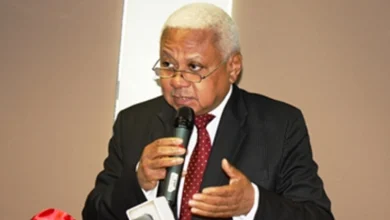
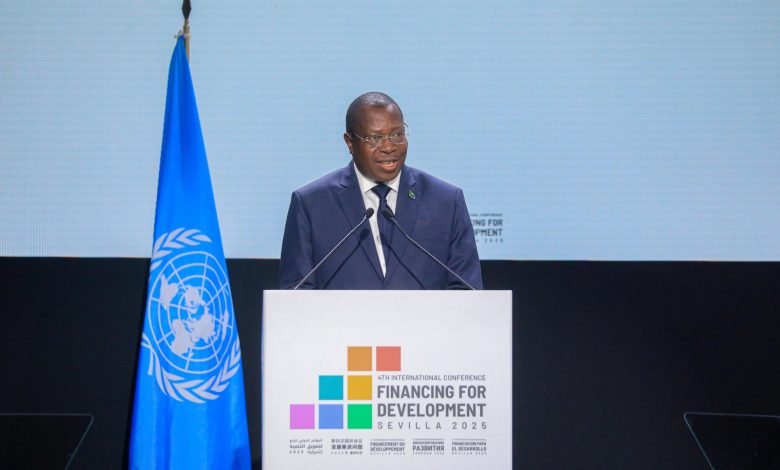
This call was made yesterday by the Vice-President Dr Philip Mpango, while addressing the Fourth International Con- ference on Financing for Development (FfD4) taking place in Seville, Spain.
He is representing President Samia Suluhu Hassan at the conference. FFD4 opened yesterday with the adoption of the Sevilla Commitment or Compromiso de Sevilla, an inter governmentally negotiated outcome that lays the foundation for a renewed global framework for financing development.
Commitments include steps to close the 4 trillion US dollars financing gap for the Sustainable Development Goals (SDGs), address the debt crises and reform the rules of the system to make the international financial system fairer and more transparent, putting people’s needs at the centre and injecting new hope for people around the world.
Dr Mpango stressed the importance of innovative financing approaches, including debt for development swaps, that channel debt repayments into critical projects such as environmental conservation.
The Vice President also urged a comprehensive review of the current criteria used to assess governments’ debt repayment capacities, advocating for a more transparent and just system.
He stressed that the conference must offer tangible solutions to reduce borrowing costs and increase access to affordable, long-term financing.
Highlighting the pivotal role of trade in economic growth, Dr Mpango called for greater support to enable developing countries to increase production capacity and add value to their goods to meet global standards.
He also called for fairer international trade policies, especially regarding tariffs and trade restrictions that disadvantage developing nations.
Furthermore, Dr Mpango underscored the need for enhanced collaboration between developed and developing countries in accelerating the advancement of science, technology and data systems, which are essential for evidence based policy making and implementation.
He urged developed nations to partner with less wealthy countries in reducing investment risks and co-financing major strategic development projects, which are critical for sustainable growth.
ALSO READ: President lifts Tanzania globally – PM
On environmental issues, Dr Mpango called for increased funding for biodiversity conservation, climate resilience and adaptation projects.
He also insisted the need to operationalise the Loss and Damage Fund to support countries affected by the adverse im- pacts of climate change.
Dr Mpango said that by 2024, Tanzania had achieved 60 per cent implementation of the Sustainable Development Goals (SDGs), with significant progress in Goals 2 through 7, especially in health, food security, education, gender equality, access to clean water and energy.
He stressed that maintaining this momentum requires enhanced cooperation and affordable financ- ing mechanisms to boost domestic revenue mobilisation.
In his opening remarks, the United Nations Secretary General António Guterres said, “We are here in Sevilla to change course. To repair and rev up the engine of development to accelerate investment at the scale and speed required. And to restore a measure of fairness and justice for all.”
“The Sevilla Commitment document is a global promise to fix how the world supports countries as they climb the development ladder,” he said.
“It is time to take a step forward and not only reaf- firm our commitment but redouble it. We must improve debt sustainability, ensure fiscal justice, and fulfill our commitments to international cooperation,” said Pedro Sánchez, Prime Minister of Spain.
At a time of extraordinary uncertainty and geopolitical tensions and against a backdrop of rising debt, falling investment, shrinking aid and with the SDGs only five years away, the Sevilla Commitment delivers a remarkable consensus among more than 190 nations committed to action for a fairer, safer future.
The conference aims to address global challenges in funding the implementation of the SDGs.
It also seeks to explore ways to reform the international financial ar- chitecture to make it more inclusive and responsive to the realities of developing nations.
Key objectives of the conference include recommending strategies to reduce debt burdens in low and middle-income countries and building resilient financial systems capable of withstanding social, economic and envi- ronmental shocks.