Tanzania steps up Vitamin A drive through edible oils
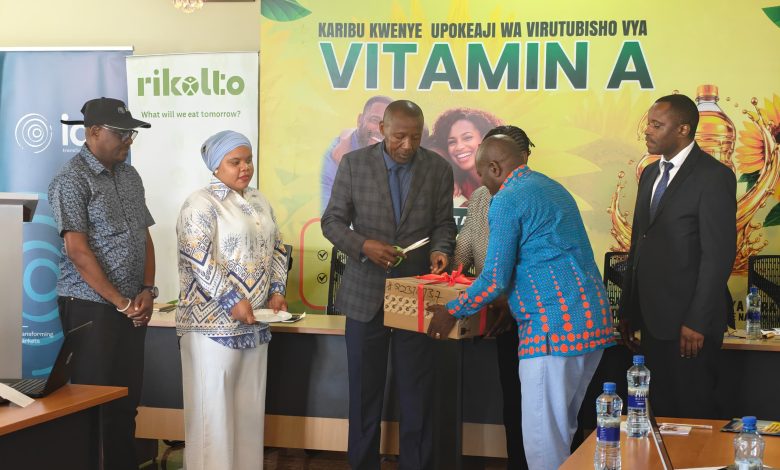
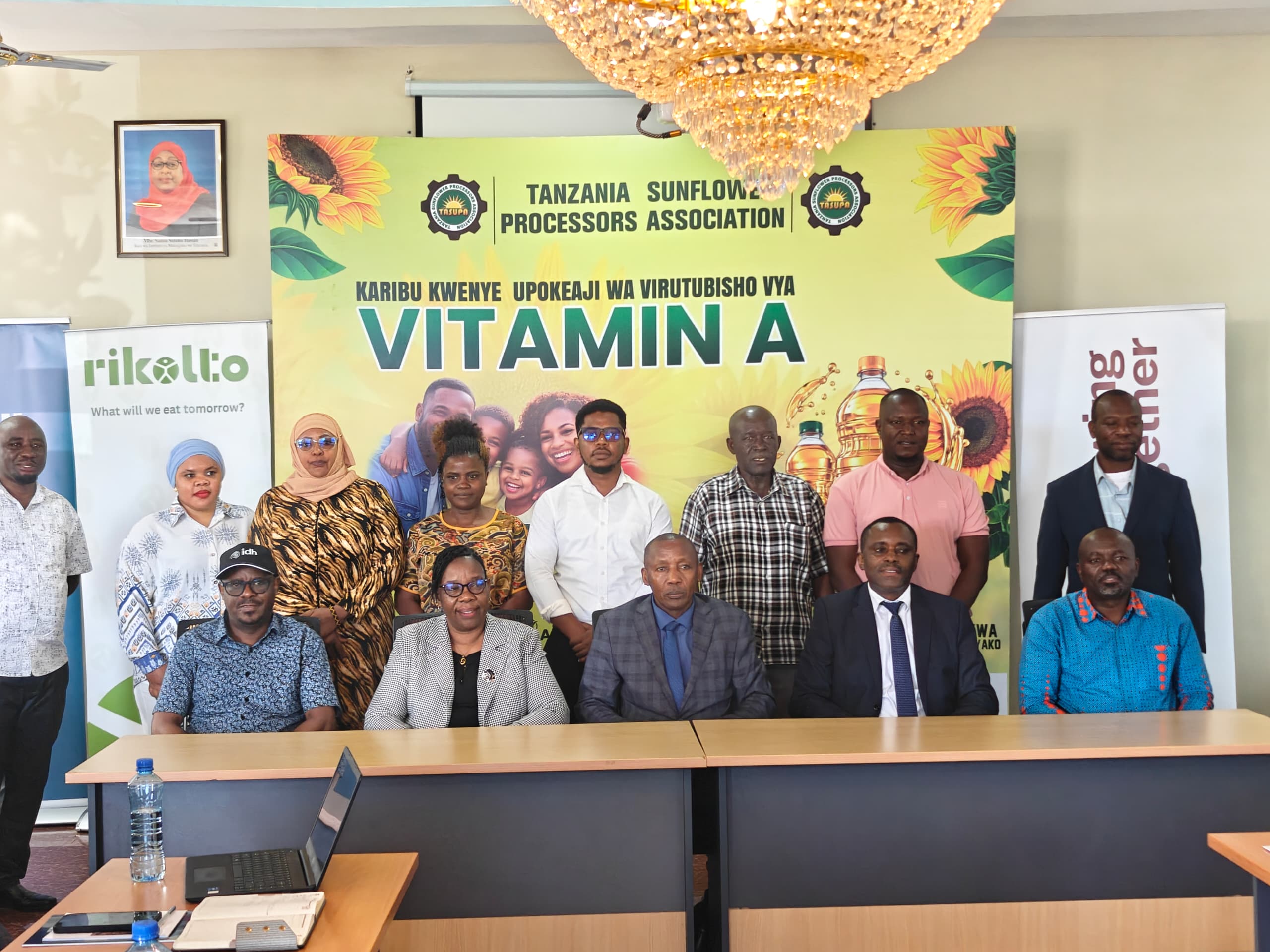
DODOMA: TANZANIA has stepped up efforts to tackle vitamin and mineral deficiencies after the government handed over 100 litres of Vitamin A premix to the Tanzania Sunflower Processors Association (TASUPA) for use by small-scale edible oil processors.
The move is part of the government’s broader strategy to ensure locally produced edible oils are fortified with Vitamin A, particularly for vulnerable groups including children under five and pregnant women.
The handover, which took place in Dodoma yesterday, coincided with the implementation of the 2026 National Food Fortification Guidelines, designed to guide food processors on the required standards and procedures for adding essential nutrients to food products.
Speaking at the event on behalf of the Permanent Secretary in the Ministry of Health, Acting Chief Medical Officer Dr Eliud Eliakim said vitamin and mineral deficiencies remained among the major nutrition challenges affecting children, adolescents and women of reproductive age.
He said adequate vitamins and minerals were essential for maintaining good health and preventing conditions associated with poor nutrition, including anaemia, stunting and wasting among children.
“The strategy of fortifying processed foods is one of the ways of improving food quality and addressing nutrition and health problems associated with micronutrient deficiencies,” Dr Eliakim said.
He said the government had taken several measures to increase access to fortified foods, including developing the 2026 guidelines and strengthening systems for monitoring and supervising food fortification.

The government has also introduced the 2024 Food Fortification Regulations, which provide the legal and operational framework for food processors to comply with prescribed fortification standards.
Under the initiative, the Ministry of Health has purchased and distributed 12 i-check machines to test nutrient levels in wheat and maize flour.
The machines have been supplied to Ruvuma, Njombe, Mbeya, Songwe, Rukwa, Katavi, Kigoma, Geita, Tabora, Singida, Arusha and Tanga regions.
The government has also distributed 160 dosifiers to small-scale processors who do not package their products, to facilitate the production of fortified flour for communities and schools.
In addition, four edible oil refinery machines for cleaning and Vitamin A fortification have been installed in processing centres in Dodoma, Singida and Mbeya.
Dr Eliakim said the 100 litres of Vitamin A premix handed over to TASUPA would be used by small-scale edible oil processors through a revolving fund system.
The initiative, he said, would help ensure that refined edible oils available to consumers contain the required nutrients.
Speaking on behalf of the Permanent Secretary in the Ministry of Industry and Trade, Mr Nyango Mbogora said food fortification was a key government strategy for addressing micronutrient deficiencies, particularly through foods consumed regularly by the population.
He said edible oil had been selected as one of the vehicles for Vitamin A because of its importance in the daily diet, particularly among children and pregnant women.
“This is not simply a handover of nutrients. It is an investment in public health, quality production and national development,” Mr Mbogora said.

He urged TASUPA to mobilise its members to comply with fortification requirements and invest in appropriate equipment, technology, quality-control systems and skilled personnel.
He said the Ministry, through the Tanzania Bureau of Standards (TBS), would continue working with the private sector to strengthen producers’ capacity while enforcing laws, regulations and standards.
ALSO READ:Govt allocates over 500bn/- to address edible oil gap
TBS Regional Manager Daniel Marwa said the bureau would continue monitoring edible oil processors to ensure compliance with Vitamin A fortification requirements, while providing education before taking legal action against non-compliant producers.
TASUPA Chairman Ringo Iringo said Vitamin A fortification would also strengthen the domestic sunflower industry by improving the quality and competitiveness of locally produced cooking oil.
He said Tanzania had significant potential to produce sunflower and edible oils for both domestic and export markets.
“If implemented properly, this initiative can improve the quality and competitiveness of our sunflower oil while increasing consumer confidence,” Mr Iringo said.
He said TASUPA would continue coordinating processors, building their capacity and ensuring they received the technical support needed to successfully implement food fortification requirements.