Tanzania steps up human rights agenda

GENEVA: TANZANIA has reported significant progress in strengthening human rights protection, expanding access to justice and improving essential public services, highlighting legal, institutional and socioeconomic reforms undertaken under President Samia Suluhu Hassan.
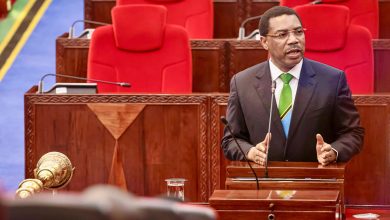
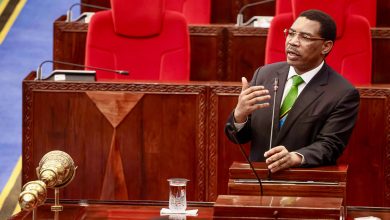
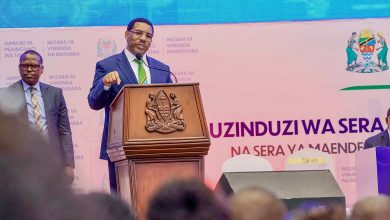
Presenting the country’s record during the Fourth Universal Periodic Review (UPR) before the United Nations Human Rights Council Working Group in Geneva, Constitutional and Legal Affairs Minister Abdallah Ulega outlined improvements in judicial efficiency, legal awareness, digital access and social protection.
A major achievement is the Mama Samia Legal Aid Campaign, which has reached approximately 7.9 million people, including more than 4 million women, helping communities overcome financial and geographical barriers to legal assistance.
The government has also translated 446 statutes into Kiswahili to make laws more accessible and enable citizens to understand their rights and responsibilities. These efforts have been accompanied by improvements in the administration of justice.
On Mainland Tanzania, the case backlog declined from approximately 10 per cent to 5 per cent, while the average time required to determine cases fell from 95 days to 66 days.
In Zanzibar, the backlog dropped from 43 per cent to 18 per cent, Ulega said.
Digital systems have further Continued from Page 1 expanded access to justice, with more than 170,000 cases concluded through digital and virtual court arrangements.
A total of 66 prisons have virtual court connectivity, while mobile courts operate in four regions.
High Courts and appellate courts also conduct virtual hearings.
Beyond the justice sector, Tanzania highlighted investments in education, health care, electricity, water and infrastructure as important elements of its efforts to improve citizens’ welfare and advance human rights.
The number of health facilities on Mainland Tanzania increased from 8,458 in 2022 to more than 10,000 in 2026.
Maternal mortality declined from 197 to 104 deaths per 100,000 live births, while newborn mortality fell from 25 to 19 deaths per 1,000 live births.
Antenatal care coverage reached 98 per cent, and deliveries in health facilities increased from 83 per cent to 98 per cent. In education, government financing rose from approximately 5.6tri/- in fiscal year 2022-23 to 6.3tri/- in 2025-26.
ALSO READ: Dr Samia orders thorough monitoring, response to human rights allegations
The government has also continued providing fee-free basic education and opportunities for students who previously left school, including girls affected by pregnancy, to resume their studies.
Access to electricity has also expanded, with all 12,318 villages on Mainland Tanzania connected to the national grid and overall electrification reaching approximately 79.5 per cent.
Ulega also highlighted infrastructure development, including the operation of more than 700 kilometres of the Standard Gauge Railway and the Julius Nyerere Hydropower Project (JNHPP), which has an installed generation capacity of 2,115 megawatts.
Investments across productive sectors have generated more than 4.2 million employment opportunities, while the basic-needs poverty rate declined from 26.4 per cent in 2020 to 24.9 per cent in 2025.
Social protection has remained part of the government’s efforts to support vulnerable households.
“The Productive Social Safety Net supported approximately 1.36 million households, benefiting more than 5.1 million people,” Mr Ulega said.
Access to clean water reached 85.2 per cent in rural areas and 92.5 per cent in urban areas, while internet penetration increased to 83.5 per cent, supported by investments in communications infrastructure and the national fibre-optic network.
The government also stressed that expanding digital connectivity must go hand in hand with privacy protection, online safety and measures to protect children.
Environmental initiatives featured in the presentation, including the production of more than 167 million tree seedlings during fiscal year 2025-26 and an increase in access to clean cooking from 15.9 per cent to 23.4 per cent.
Tanzania said the progress reflects its broader commitment to ensuring that human rights are not confined to legislation but are reflected in citizens’ everyday lives.
The government reaffirmed its commitment to further reforms, stronger institutions and international cooperation, guided by Tanzania Development Vision 2050 and the principle of leaving no one behind.