Tanzania revises VHF guidelines in preparedness for Ebola, Marburg outbreaks
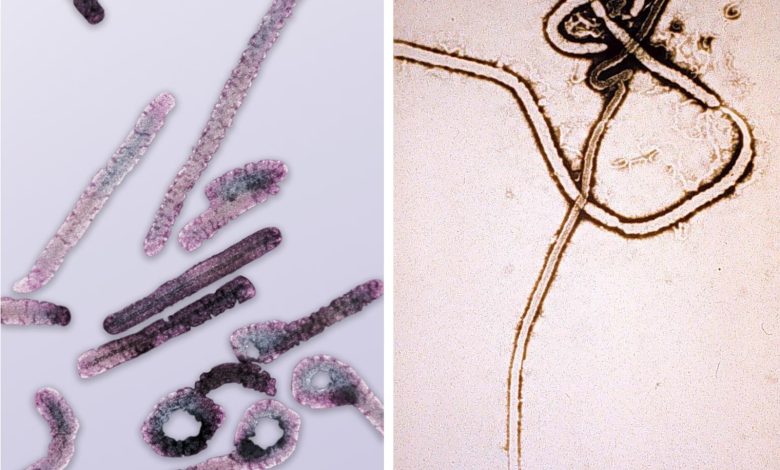
MOROGORO: THE Tanzanian government, in collaboration with the World Health Organization (WHO), has launched the process of revising the National Guidelines for the Management of Viral Haemorrhagic Fevers (VHF), a move aimed at strengthening the country’s preparedness to prevent and respond to outbreaks of deadly diseases, including Ebola and Marburg.
Speaking during a national consultative meeting in Morogoro, Emergency Medicine Specialist Dr Michael Kiremeji said the current guidelines, developed in 2019, primarily focused on the management of Ebola. He noted that the document now requires updating to reflect the latest scientific evidence and WHO recommendations.
Dr Kiremeji said the revised guidelines will provide a comprehensive national framework for the diagnosis, treatment and clinical management of all viral haemorrhagic fevers, including Ebola and Marburg, ensuring that healthcare professionals across the country follow a unified standard of care.
“This initiative forms part of the Government’s broader efforts to strengthen public health security by ensuring healthcare workers have the knowledge, equipment and up-to-date guidelines needed to respond effectively to disease outbreaks before they occur,” he said.
ALSO READ: Kagera heightens Ebola surveillance at borders, schools
A WHO representative said the updated guidelines would enhance Tanzania’s capacity to prevent, detect and respond to epidemic-prone diseases by aligning national clinical practices with international standards and the organisation’s latest recommendations.
The meeting has brought together experts from the Ministry of Health and leading health and academic institutions, including Muhimbili National Hospital, Kilimanjaro Christian Medical Centre (KCMC), Bugando and Mbeya Zonal Referral Hospitals, the University of Dodoma (UDOM), the Jakaya Kikwete Cardiac Institute (JKCI), the University of Dar es Salaam Mbeya Campus, Kibong’oto Infectious Diseases Hospital, Muhimbili University of Health and Allied Sciences (MUHAS), as well as development partners from WHO, the US Centers for Disease Control and Prevention (CDC) and AMREF.
The Government said the review is part of its ongoing efforts to strengthen Tanzania’s health system, enhance national preparedness for infectious disease outbreaks and safeguard public health.