Tanzania outlines four-pronged climate action plan
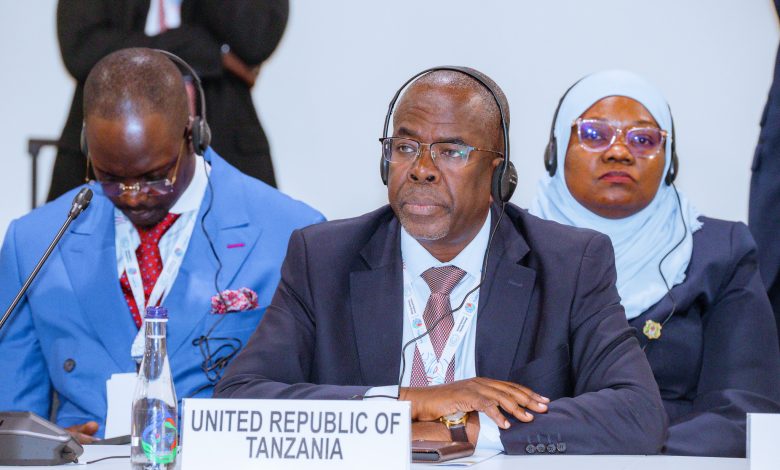
ANTALYA: TANZANIA has outlined four strategies to address climate change as part of efforts to reduce greenhouse gas emissions and promote sustainable economic development.
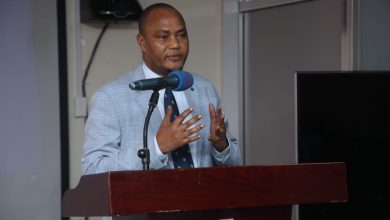
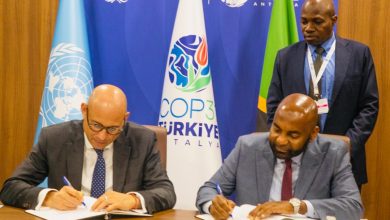
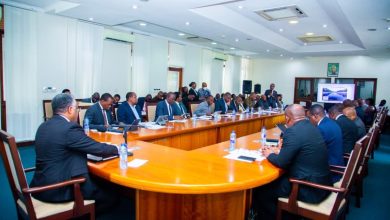
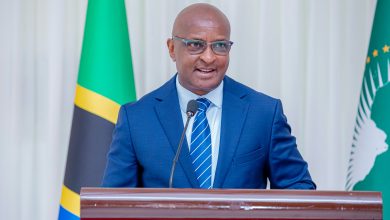
Minister for Finance Ambassador Khamis Mussa Omar announced the strategies in Antalya, Türkiye, during a briefing following his participation in the 31st United Nations Climate Change Conference (COP31), which brought together world leaders, policymakers and international organisations to discuss global climate challenges and possible solutions.
The minister said Tanzania’s approach focused on combining environmental protection with economic growth, particularly through investment in sustainable infrastructure and cleaner transport systems.
He cited the Standard Gauge Railway (SGR), which he said was helping reduce carbon emissions, alongside the expansion of natural gas-powered buses under the Bus Rapid Transit (BRT) system and plans to explore the use of electric buses.
The second priority, he said, was promoting sustainable industrialisation in line with the country’s Dira 2050.
He said climate policies should support industrial growth while ensuring that economic activities do not undermine environmental sustainability.
“Climate action must go hand in hand with our industrial development ambitions. We must pursue economic growth while taking measures to reduce emissions and protect the environment,” he said.
ALSO READ: Samia calls for climate action
On employment, particularly for young people and women, Amb Omar said the government was working with the World Bank and the International Finance Corporation (IFC) to transform the central SGR corridor into a major economic zone.
The initiative is expected to attract private investment, stimulate economic activities and create sustainable employment opportunities.
He identified access to financing as one of the biggest obstacles to implementing climate-related projects, revealing that Tanzania faces a funding gap of approximately 12 billion US dollars (about 31.86tri/-).
To address the challenge, the government is encouraging partnerships between the public sector, international organisations and private investors.
“We recognise that mobilising adequate financial resources is critical to implementing our climate change programmes. This requires stronger cooperation between government, development partners and the private sector,” he said.
The minister said discussions at COP31 also focused on clean cooking energy and the processing of critical minerals, noting that more than 82 per cent of critical mineral processing takes place in a few countries, creating concerns about global supply dependence.